
Wicker Flower Planters: Beauty and Functionality
Intro
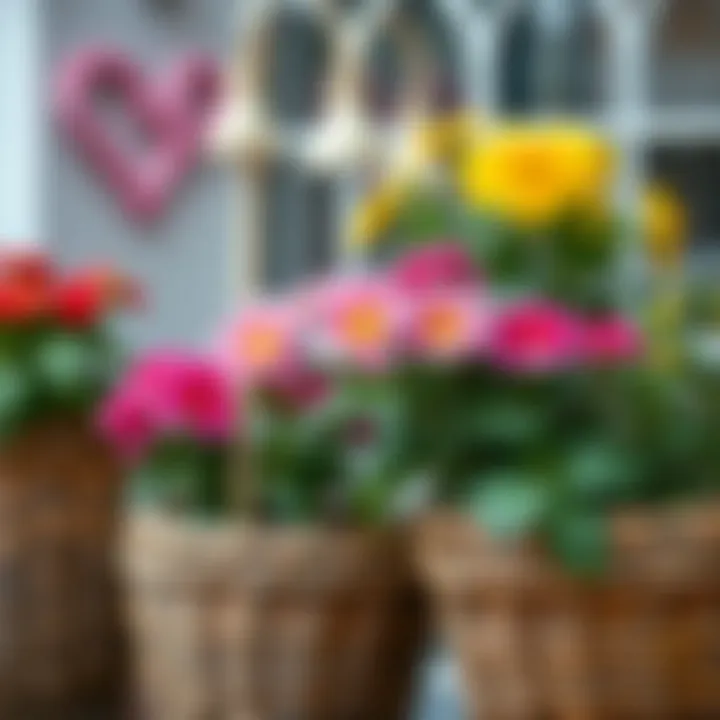
Wicker flower planters have a unique charm that combines both beauty and practicality. Made from woven natural materials, these planters can enhance almost any indoor or outdoor space, offering a warm, rustic appeal that mass-produced plastic pots often lack. The trend of using wicker in design isn't just about aesthetics; it also taps into a growing appreciation for sustainable, eco-friendly materials. As more people develop green thumbs and tend to their plants, understanding the ins and outs of wicker planters becomes essential for anyone looking to add a touch of nature to their living spaces.
This guide investigates the appeal of wicker flower planters in urban settings, emphasizing how they can be practical, stylish, and even environmentally conscious. Whether you're an interior designer seeking to elevate a client's space, a homeowner wanting to create an inviting balcony garden, or simply a plant enthusiast looking to understand more about these charming pieces, there's something here for everyone. From selecting the right materials to care strategies for durability, the following sections will provide a thorough examination of wicker flower planters.
Design Inspiration
Creative Seating Arrangements
Incorporating wicker flower planters into your seating arrangements can significantly elevate the ambiance of any space. Imagine placing a wicker planter between two chairs on a patio or aligning them along the edges of a deck. This not only adds greenery but also provides a natural divider that guides movement while still allowing an open feel. The plush texture of wicker combined with bright, blooming flowers creates an inviting atmosphere, perfect for socializing or simply enjoying a quiet afternoon.
Moreover, the versatility in shapes and sizes of wicker planters means you can be creative. Hanging planters offer a unique perspective, drawing the eye upward and attracting attention to higher levels of your design. Consider using larger floor planters near seating areas to create a cozy nook.
Color Schemes for Urban Spaces
When thinking about urban gardens, color is paramount. Wicker, with its earthy tones, provides a unique backdrop for vibrant floral displays. Pair soft pastels with neutral wicker or vice versa, vivid colors against natural materials to strike a balance between nature and city life. Here are some color schemes that prove effective in urban settings:
- Warm Tones: Reds, oranges, and yellows are great for a sunny disposition, especially contrasted against the warm hues of wicker.
- Cool Shades: Blues and greens bring a calming effect, ideal for places where relaxation is key.
- Monochrome Elegance: Black and white foliage in wicker planters exudes sophistication, fitting right into modern, sleek urban spaces.
Wicker planters’ natural ability to blend with various color palettes is one reason they've become increasingly popular in interior and exterior designs.
Practical Guides
Selecting the Right Materials
Choosing the correct materials is crucial when it comes to wicker flower planters. Most often, you'll find options made from materials like rattan, cane, or synthetic fibers. Each has its set of advantages. Rattan, while traditional, requires careful maintenance. In contrast, synthetic materials are designed to weather the elements without losing their charm. Key considerations include:
- Durability: Assess the environmental factors like sunlight, rain, and humidity in your space.
- Weight: If you're looking for mobility, lightweight materials may be more suitable.
- Sustainability: Organic options offer the benefit of being eco-friendly, while synthetic might be more resilient.
By focusing on these aspects, you can ensure that your wicker flower planters will not only look good but also stand the test of time.
Care and Maintenance Tips
To keep your wicker flower planters in prime condition, a few simple care tips can go a long way:
- Regular Cleaning: Dust and debris can accumulate in the weave. A gentle brush will do wonders.
- Protect Against Moisture: Use liners if you're planting directly in wicker to avoid rotting from constant moisture.
- Seasonal Storage: For areas with extreme winters, moving planters indoors can prevent potential damage.
Ensuring proper care will save you from purchasing replacements and maintain the aesthetics that wicker brings to your environment.
"Investing time in the maintenance of your wicker planters ensures that they serve you well for years to come while keeping your spaces vibrant and inviting."
By understanding the nuances of design and upkeep, you can truly leverage the benefits of wicker flower planters to enrich your surroundings.
Prologue to Wicker Flower Planters
Wicker flower planters hold a unique charm that transcends mere functionality; they embody an aesthetic quality that enriches various environments, ranging from cozy patios to bustling indoor settings. As gardening becomes an essential practice in urban lifestyles, the exploration of these planters reveals not only their visual appeal but also their practical advantages. Choosing the right wicker planter can enhance your greenery while harmonizing with your personal decor.
Defining Wicker as a Material
Wicker is a weaving method predominantly using natural materials such as rattan, reed, or willow. This technique, while robust, also provides flexibility, making wicker ideal for crafting intricate shapes and designs. Unlike sturdier materials like plastic or metal, wicker items boast a lightweight quality, allowing effortless relocation as seasons change or as your gardening styles evolve.
The beauty of wicker lies in its ability to combine traditional craftsmanship with contemporary design. Each piece can tell a unique story, reflecting both the artisan's skill and the cultural heritage of the weaving tradition. Additionally, the natural fibers can be treated for increased durability without losing their organic appeal, thus stretching their utility across various settings.
Historical Context of Wicker Work
The history of wicker weaving stretches back centuries, reaching as far as ancient Egypt, where it was used for baskets and furniture. Over time, this technique has been refined and adapted by various cultures, each adding their own flair and functionality. In Europe, particularly in areas like the UK and France, wicker embraced an elegance that aligned well with classic gardens, while its use in Eastern societies often focused more on utilitarian purposes.
Today, wicker is experiencing a renaissance, with renewed interest in handcrafted furniture and decor. This renewed demand emphasizes the importance of artisanal skills in our fast-paced world. As more people engage in gardening and seek sustainable home decor, understanding the historical foundations of wicker work positions one to appreciate its place in modern design.
In upcoming sections, we will delve deeper into various considerations for selecting wicker flower planters, discussing design, functionality, care, and cultural significance, enriching your knowledge and appreciation of these fantastic planters.
Design and Aesthetic Considerations
When it comes to decorating spaces, be it indoor or outdoor, the design and aesthetic considerations play a pivotal role. Wicker flower planters have grown in popularity not just for their function but also for their ability to add character to a space. Their intricate designs can transform even the most mundane settings into visually appealing arrangements. In this section, we will delve into various styles and how these planters can fit harmoniously into your design vision.
Diverse Styles of Wicker Planters
Traditional vs. Modern Designs
The realm of wicker flower planters spans a variety of styles, with traditional and modern designs standing at the forefront. Traditional wicker planters often feature ornate weaving patterns and natural colors, resonating with a sense of nostalgia and warmth. These designs often create a rustic charm that can evoke feelings of comfort and history in any garden or living space. On the other hand, modern designs bring in a fresh perspective, characterized by sleek lines, geometric shapes, and a more minimalistic approach.
The key characteristic of traditional designs is their craftsmanship, which can showcase the artistry of wickerwork. However, they tend to cater to a classic aesthetic which may not always resonate with contemporary tastes. Meanwhile, modern designs often benefit from their adaptability to various decors, making them a popular choice for the modern homeowner.
One unique feature of traditional planters is the hand-woven technique used, which supports durability while offering an artisanal touch. Yet, they sometimes lack the flexibility in color and form that modern designs present. So, for those leaning toward a fresh take on aesthetics, modern wicker options may provide a functional yet stylish solution to your gardening needs.
Color Variations and Textures
Wicker planters are not just about shapes; color variations and textures play a crucial role in affecting their overall appeal. Traditional wicker planters usually come in earthy, natural tones ranging from caramel to chestnut. This earthy palette complements plants beautifully, allowing foliage to take center stage. Meanwhile, modern interpretations open the door to a spectrum of vibrant colors, offering homeowners the chance to make bold statements.
The ability to incorporate different textures, be it the smooth finish of varnished wicker or the roughness of unfinished wood, creates visual interest. Such characteristics contribute significantly to the way these planters fit into their environments. In essence, color and texture can make or break the aesthetic appeal of your space.
However, one disadvantage of opting for too many synthetic colors is that they may clash with the natural beauty of plants, which thrive in earthy environments. Thus, while vibrant colors can be appealing, one must often tread carefully to maintain a visual balance.
Incorporating Wicker Planters into Home Decor
Indoor vs. Outdoor Use
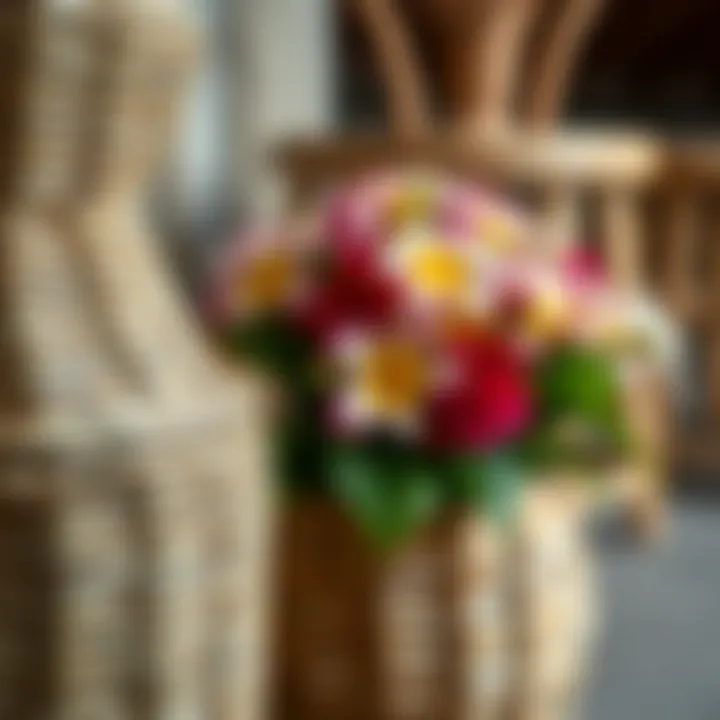
Wicker planters serve a dual purpose, making them a versatile choice for home decor. Indoors, they can bring a warm and inviting atmosphere, providing a pleasing contrast to more sterile materials like metal or glass. Strategically placed near windows or in corners, indoor wicker planters allow for an infusion of nature within enclosed spaces.
Outdoors, however, they shine in a different light. Their natural materials help them blend into garden settings, making them perfect companions for patio furniture or landscaping features. The organic look enhances the outdoor experience, drawing in both people and pollinators alike.
One significant advantage to outdoor use is their ability to withstand various weather conditions when properly treated. However, one must consider the potential downside: failing to protect these planters from severe weather can lead to damage over time.
Complementary Furniture Styles
Integrating wicker flower planters into your home decor requires careful consideration of surrounding furniture. The natural, woven aesthetic couples well with many styles—from rustic farmhouse to contemporary chic. Wicker can complement wooden furniture beautifully, giving an entire room a cohesive and harmonious vibe.
When planning your decor, think about the colors and styles of your existing furniture. A minimalist sofa paired with a wicker planter creates a striking visual contrast. Similarly, furniture with rich, dark finishes can enhance the warmth of natural wicker tones.
On the downside, mismatching furniture can overshadow the planter’s beauty rather than accentuate it. Thus, being thoughtful about how your wicker planters interact with their decor surroundings is crucial in achieving a well-rounded aesthetic.
"Wicker planters have the unique ability to fit in various style schemes, making them a worthwhile investment for home decore."
By understanding the diverse choices and considerations when incorporating wicker flower planters, both aesthetics and practicality are achieved. Thoughtful design choices will enrich each corner of your home or garden, promoting not just beauty but a deeper connection to nature.
Functional Benefits of Wicker Planters
The charm of wicker flower planters goes beyond their aesthetic appeal; they boast several functional advantages. When it comes to selecting the right planters, understanding what makes wicker advantageous can significantly enhance your gardening experience. From maneuvrability to the health of your plants, the benefits of wicker are plentiful. Let's dive into the specifics of these functional characteristics.
Lightweight Nature for Ease of Movement
One of the standout features of wicker planters is their lightweight nature. Unlike more rigid materials such as ceramic or stone, wicker provides a portability that is hard to beat. Imagine rearranging your garden or indoor spaces; with wicker planters, you can easily shift them around, even with fully grown plants inside.
- Easier Handling: Lifting and moving these planters is often a breeze, making them ideal for those who enjoy frequent rearrangements. Whether you're changing the configuration of your patio or moving them indoors for winter, less effort is needed compared to heftier options.
- Ideal for Seasonal Changes: Lightweight planters are particularly handy when seasons change. You can quickly switch plants as the weather warms or cools. This flexibility helps you maintain a vibrant look throughout the year.
Wicker also has an inherent ability to hold up well, allowing you to transport them without fear of breaking them. It's a marriage of functionality and ease that truly supports both novice and experienced gardeners alike.
Breathability of Natural Materials
Wicker planters also shine when it comes to plant health, primarily due to their breathability. The natural materials woven together allow for air circulation, which is essential for root development.
- Prevention of Root Rot: Good air circulation aids in preventing conditions that lead to root rot, a common issue in poorly ventilated planters. This means your plants have a better chance of thriving, ultimately resulting in lusher foliage and vibrant blooms.
- Moisture Regulation: Breathable wicker also helps in managing moisture levels. Unlike non-porous materials, wicker allows some moisture to escape while retaining enough to nourish the plants. This balance is particularly beneficial in varying climates, where humidity levels fluctuate.
In summary, the functional benefits of wicker planters extend well into the realm of plant health and user convenience. Their lightweight nature makes for easier movement, while the natural breathability ensures that plants have the right environment to flourish. This duality of function and care is what sets wicker planters apart in the gardening scene.
Choosing the Right Wicker Planter
Selecting a suitable wicker flower planter is no trivial task. It requires weighing several factors, from size to design to the resilience of the materials used. The right planter can greatly enhance the aesthetic value as well as the practical aspects of any indoor or outdoor space. Understanding what to look for can make all the difference in how well your plants thrive.
Assessing Size and Shape
Scale with Space
When it comes to scale with space, size matters like a key ingredient to a successful dish. A planter that is too large can dwarf your room, leaving it feeling cramped, while one that’s too small might get lost, like a needle in a haystack. An ideal choice will complement the surroundings, embracing the notion of proportion. The unique feature of perfect scaling lies in how it relates to the room’s dimensions and furnishings. An oversized planter may indeed make a statement, but it can also overshadow more delicate décor elements.
"Consider the overall layout: if your room feels busy, choose smaller planters to maintain balance and harmony."
Choosing the right scale not only accentuates your plants but also maximizes their impact within your designated area. Just remember, what works for one space might not gel in another—so measuring accurately is essential.
Plant Compatibility
Plant compatibility is another critical aspect of choosing your wicker planter. It’s not enough for the planter to look good; it also needs to suit the specific plants you wish to grow. Each plant has its own set of needs regarding size, soil depth, and drainage. A tall planter can accommodate deep-rooted plants, like sunflowers, while shorter options may suit modest herbs better.
A unique feature of plant compatibility is that it impacts not just the health of the plants but also the aesthetics of your garden. A mismatched planter can stunt plant growth or lead to waterlogging, which is certainly not what you want. Think about how different plants interact with their containers.
Evaluating Durability and Construction
Materials Used
Next on the list is materials used, which often determines the longevity of your planter. Wicker planters are typically made from a variety of reeds or synthetic fibers, each coming with its own set of strengths and weaknesses. Natural materials can provide an earthy charm, giving your decor a rustic feel, while synthetic options might offer enhanced durability.
The key characteristic of the materials lies in their ability to withstand the elements. Natural wicker—while beautiful—can degrade over time if not properly maintained, which can be a drawback if you're looking for something that stands the test of time. On the other hand, synthetic materials are more resilient against decay and can handle varying weather conditions.
Resilience to Weather
Finally, the resilience to weather plays a significant role in the selection process. Wicker planters reside both indoors and outdoors, and their performance in varying conditions directly influences their usability. An outdoor planter should ideally be weather-resistant; otherwise, the beautiful finish may quickly turn into a faded memory.
The unique quality of resilience means that you needn’t worry about frequent replacements. Planters that can endure harsh sunlight or intense rainfall tend to be a better investment for those serious about maintaining their garden year-round.
Take note: not all wicker is created equal. Checking for detailed information on the specific products you consider will save you time and effort down the road.
Environmental Considerations
The growing awareness around sustainability in gardening practices can't be understated. In this context, exploring these elements of wicker flower planters is vital not just for the aesthetic they bring but also for their environmental implications. Making environmentally sound choices in materials has a direct impact on our planet, and wicker planters can play a role in fostering a greener future.
Sustainability of Wicker Materials
One of the significant advantages of wicker is its sustainable nature. Wicker is typically crafted from rattan, reed, or willow; these materials are often harvested from fast-growing plants that regenerate quickly. This rapid regrowth minimizes the ecological footprint, creating a favorable cycle of use and regeneration. Choosing wicker for your gardening needs means opting for a renewable resource that does not deplete the planet's resources at a staggering rate.
Benefits of Wicker Sustainability:
- Renewable sourcing: The materials are usually harvested from trees and plants that can recover swiftly.
- Biodegradable: At the end of their lifespan, wicker products break down naturally in the environment, unlike plastics.
- Low Carbon Emissions: The energy needed for processing wicker is significantly lower than that for synthetic materials.
Adding wicker planters to your home enhances your space aesthetically while aligning with eco-friendly principles. It's a win-win for both your home and the earth. With this understanding, it’s easier to see how practicality and environmental consciousness can coexist beautifully.
Impact of Wicker Production
While the sustainability of wicker materials is appealing, it’s also crucial to examine the production methods involved. The impact associated with wicker production can vary significantly based on sourcing practices and manufacturing processes. Like any industry, not every producer adheres to environmentally friendly methods.
A responsible approach to wicker production ensures the following:
- Ethical harvesting: This involves collecting materials without harming the ecosystems where they grow.
- Water and Chemical Use: The processing of wicker should minimize harmful chemicals and excessive water use, which could pose risks to local environments and waterways.
- Fair Labor Practices: Supporting producers who prioritize fair working conditions is part of an environmentally sound choice.
Moreover, many artisans and businesses are adopting eco-friendly initiatives in their production processes. These efforts might include:
- Utilizing natural dyes instead of synthetic ones, which can be harmful.
- Implementing modular production systems that reduce waste at every step.
"Choosing wicker isn't just about style; it's a statement about your commitment to sustainability and quality."
In sum, while wicker flower planters contribute positively to environmental sustainability, it’s essential to discern the variations in production practices. Opting for reputable and responsible sources can enhance both the beauty of your space and the well-being of our planet.
For further insights on sustainable materials and ethical production practices, refer to sources like Wikipedia, Britannica, or forums such as Reddit.
By taking the time to understand these facets, you're not just making a choice for your home; you're contributing to a larger commitment towards ecological responsibility.
Care and Maintenance of Wicker Planters
Wicker planters are not just an elegant addition to your home or garden; they also require a bit of TLC to keep them looking their best. Proper care and maintenance is pivotal, as it prolongs the life of these beautiful pieces while ensuring that plants remain healthy. As with any natural material, wicker can be vulnerable to the elements, dirt, and decay. Therefore, understanding the ways to clean and protect them is essential.
Cleaning Procedures
Recommended Cleaning Products
When it comes to keeping wicker planters spick and span, choosing the right cleaning products is key. Mild soaps, such as dish soap, are often recommended because they are gentle and do not contain harsh chemicals that can deteriorate the wicker material over time.
Another option is to use a vinegar and water solution, which not only cleans but also removes odors.
Key characteristic: Mildness is crucial because aggressive products can compromise the integrity of the wicker.
Some might argue that commercial cleaners can offer convenience, but many are laden with unnecessary chemicals. So, sticking to natural options is generally seen as a safer bet. While bleach may be tempting for its disinfectant qualities, it can strip the wicker of its natural oils, leading to brittleness. A unique feature of these mild cleaners is their ability to penetrate crevices without risking damage, making them a top choice among experts.
Frequency of Cleaning
As for how often you should clean your wicker planters, this can depend on where they are placed. For planters kept indoors, a light cleaning every month could suffice. However, if your planters are outdoors, they should undergo a thorough cleaning every few weeks, especially after heavy rain or windy weather.
Key characteristic: Regular upkeep prevents dirt buildup and keeps the visual appeal intact.
One unique feature associated with an increased cleaning frequency is the ability to spot potential mold growth early, which might go unnoticed if the planters are left unchecked for too long.
Protecting from the Elements
Protecting wicker planters from harsh environmental conditions is equally important. Understanding methods to shield them from both winter weather and UV radiation can significantly extend their lifespan.
Winter Care
When winter creeps in, the key is to keep wicker planters warm and dry. Bringing them indoors is ideal, but if that’s not an option, elevating them off the ground can prevent moisture absorption from soil or snow. Protecting them with a breathable cover also helps.
Key characteristic: Proper winter care reduces the risk of cracking or warping due to freezing conditions.
This aspect is especially beneficial for regions experiencing extreme weather, as it actively preserves the aesthetic beauty and structural integrity of the wicker. The unique feature about well-maintained planters in winter is the assurance that they’ll be ready to showcase blooms come spring without any degradation.
UV Protection Strategies
In addition to winter care, UV protection is crucial for wicker planters left outdoors. Opting for UV-resistant treatments helps shield the material from sun damage which can cause fading and weakening over time. Some manufacturers treat their wicker with protective coatings right from the start.
Key characteristic: UV treatments often make wicker more resilient to outdoor conditions.
Using such treatments not only enhances longevity but also reduces the need for frequent replacements. The unique aspect of these strategies is their ability to maintain color vibrancy while ensuring the wicker remains structurally sound, which is an essential consideration for anyone invested in gardening aesthetics.
Urban Gardening with Wicker Planters
Urban gardening represents a magnificent blend of creativity and resourcefulness. As city living puts a premium on space, incorporating wicker flower planters becomes not just a style choice, but a practical solution for those wanting to cultivate joy in their compact surroundings. Utilizing wicker planters can foster an inviting atmosphere, allowing both plants and people to thrive in harmony.
Maximizing Small Spaces
In a city where square footage is often at a premium, knowing how to maximize small spaces becomes crucial. Wicker planters serve as exemplary vessels for urban gardening, as they are lightweight and can be effortlessly moved to adapt to shifting sunlight or changing decor. Every nook and cranny can be turned into a charming greenery spot — be it a balcony, a windowsill, or a cozy corner in your living room.
Here’s a few tips for making the most of your limited space:
- Choose the Right Size: Opt for petite wicker planters that can fit neatly in tight spots without overwhelming the area. Look for circular or rectangular shapes that suit your arrangements.
- Layer Plants: Utilize height by mixing trailing plants like String of Hearts with bushy varieties such as Petunias. This adds depth while ensuring that sunlight reaches all.
- Go Vertical: Don't forget the walls; vertical gardening can turn bland surfaces into lush landscapes. Use hooks or wall mounts to support wicker pots, presenting your greenery as art.
Vertical Gardening Options
Vertical gardening exemplifies the innovative spirit that urban gardening embodies. Not only does it save floor space, but it also creates a striking visual impact. Wicker planters, with elegant designs, can be integrated into vertical racks or hung directly on walls, transforming them into vertical gardens.
A few strategies for implementing vertical gardening include:
- Pallet Gardens: Repurpose wooden pallets by attaching small wicker pots secured with landscape fabric. This creates a wall of greenery that adds character.
- Tiered Plant Stands: These stands often feature multiple levels, allowing for more plants in a smaller footprint. Pair each tier with wicker planters of varying sizes for a harmonious look.
- Hanging Wicker Planters: Look for unique wicker designs that can be suspended from the ceiling. These not only save space but also greenify areas that may otherwise remain barren.
"Urban gardening is not just a way to utilize space; it's a way to reclaim the connection with nature in bustling city life."
Cultural Significance of Wicker in Gardening
Wicker has a rich cultural significance in gardening that goes beyond mere aesthetics. It embodies traditional craftsmanship and is deeply embedded in various cultures around the world. Wicker planters are not just containers for plants; they represent a connection to the earth and the communities that create them. This section aims to explore how wicker intertwines with gardening practices globally, highlighting its role in different regions and its historical context, enriching our understanding of this timeless material.
Regional Variations in Design
Wicker designs are remarkably diverse, reflecting the unique traditions and materials of different regions. In Southeast Asia, for example, you'll find intricate patterns and vibrant colors that often tell stories of local flora and fauna. The skilled artisans weave regional grasses into sturdy yet elegant planters that not only support plant growth but also serve as artistic expressions of their cultural heritage.
- Bamboo and Rattan in Asia: These materials are commonly used, where the flexibility and resilience of rattan enables complex designs that are lightweight yet durable. Balinese artisans are known for their elaborate wicker works that bring a tropical feel to any design.
- European Crafts: In contrast, European wicker planters often showcase a more restrained aesthetic, focusing on functionality and simplicity. Known for their craftsmanship, areas like France and Germany produce timeless designs that emphasize quality materials, often using willow or hazel.
- North American Trends: Over in North America, the trend is shifting towards a fusion of traditional wicker design with modern elements. This hybrid results in diverse planters that fit well with contemporary home decor while still nodding to traditional craftsmanship.
Wicker's versatility makes it adaptable across climates and cultural preferences, allowing gardeners everywhere to express their style while being eco-conscious.
Wicker in Historical Gardens
Historically, wicker has played a crucial role in gardening. Ancient civilizations utilized wickerworks not just for gardening needs but also for storage and protection of plants.
- Ancient Rome: Historical records indicate that the Romans used wicker for planters along the patios of their villas. They prized these lightweight and breathable containers, which helped nurture their vibrant gardens.
- Victorian Era: In the Victorian period, the use of wicker reached its peak, particularly in Europe and America. The elaborate Victorian gardens often featured wicker planters adorned with flowering annuals. These planters were sometimes more elaborate than the flowerbeds themselves, reflecting a period that celebrated the interplay of nature and art.
Wicker is more than a style choice; it's a historical connection that links us to the gardening traditions of our ancestors.
- Colonial America: During colonial times, settlers utilized wickerwork for practical purposes, including plant propagation and vegetable gardens. This era cast wicker as not just a decorative feature but a necessity for sustenance. Wicker planters then became a staple in yard spaces, merging purpose with style.
In summary, the cultural significance of wicker in gardening is vast and nuanced. From its regional designs to its historical applications, wicker serves as a testament to our relationship with nature and the artistry that can stem from it. As we explore wicker flower planters today, it is essential to acknowledge these cultural dimensions that enhance their appeal. By understanding the historical and regional contexts of wicker, individuals can make informed choices that resonate with both aesthetic values and cultural heritage.
Trending Design Innovations
In the domain of horticultural aesthetics, innovating with wicker flower planters has taken a dynamic turn. The evolution of design not only reflects current trends but also addresses practical needs. This section showcases how modern techniques and creative solutions are reshaping the way wicker planters are perceived and utilized.
Fusion of Wicker with Other Materials
Blending wicker with various materials has opened doors to fresh designs that cater to diverse tastes and environments. The combination of wicker with metal, ceramic, or glass introduces an eye-catching contrast that elevates the overall appeal of the planters. For instance:
- Wicker and Metal: Imagine a wicker basket with a sturdy metal frame. This union enhances durability while preserving the soft elegance of wicker. A planter like this can stand up to the elements and provides an interesting visual twist.
- Wicker and Terracotta: Mixing wicker with terracotta yields a rustic charm, perfect for those who favor a more organic look. The warmth of terracotta pairs beautifully with the natural fibers of wicker, making it ideal for both indoor and outdoor settings.
- Wicker and Glass: The interplay of light through glass provides an ethereal quality to wicker planters. This fusion not only highlights the plants within but also reflects innovation and contemporary style.
"Design is not just what it looks like and feels like. Design is how it works." - Steve Jobs
Advantages abound with such innovative fusions. For one, it allows for unique expressions where style meets functionality. Moreover, blending materials often results in improved resilience. In areas prone to extreme weather conditions, glass and metal provide a protective layer that keeps wicker intact while allowing airflow, essential for plant health.
Smart Planters: Integration with Technology
As we stride further into the digital age, the integration of technology in gardening has become increasingly prevalent. Wicker planters are not excluded from this trend. Smart planters equipped with tech features are gaining traction, providing not just aesthetic pleasure but also smart functionality.
These planters typically come with:
- Sensors for Soil Moisture: Keeping plants alive can be a struggle, especially for novice gardeners. Smart planters with moisture sensors notify users when it's time to water. Not only does this prevent over- or under-watering, but it also saves precious resources.
- Self-Watering Features: Advanced systems sometimes incorporate self-watering capabilities, ensuring consistent hydration. This is particularly beneficial for people who travel or have unpredictable schedules.
- App Connectivity: Many modern planters offer app support. Users can monitor plant health, receive reminders, and access care tips, all from a smartphone. This feature provides peace of mind for both busy professionals and dedicated hobbyists alike.
The fusion of an earthy material like wicker with high-tech add-ons leads to a transformative gardening experience. It's about more than just bringing plants indoors; it’s about making the task easier and more enjoyable. As homeowners and decorators seek ways to beautify their spaces efficiently, smart planters represent a promising intersection of nature and technology.
These innovations not only enhance aesthetics but also enrich the experience of nurturing plants. As the conversation around sustainability and modern living continues, the developments seen today in wicker planters promise to resonate well for years to come.
Where to Purchase Quality Wicker Planters
When it comes to acquiring wicker flower planters, the options are numerous, but not all are created equal. It's critical to know where to find quality products that not only meet aesthetic standards but also support local craftsmanship and sustainability. Selecting the right place to buy can significantly influence your overall experience and the longevity of the planters.
Local Artisans vs. Mass Production
Deciding between items made by local artisans or mass-produced goods can be quite significant in the realm of wicker planters. Local artisans often weave their creations with care, skill, and a deep understanding of the natural materials.
- Benefits of Local Artisans:
- Quality Handcraftsmanship: Many artisans pay close attention to detail, ensuring that each piece is made with precision and creativity.
- Sustainable Practices: Often, local makers utilize environmentally-friendly materials and methods, aligning with current eco-conscious trends.
- Unique Designs: Artisan planters tend to offer unique styles that can become conversation pieces in your home or garden.
However, it is also essential to consider mass production. These planters can be more accessible and often more affordable.
- Pros of Mass Production:
- Cost-Effectiveness: Larger-scale production can drive down costs significantly, making it easier on the wallet for those seeking budget-friendly options.
- Availability: Retail chains may stock a wider range of planters, ensuring that shoppers can find something that fits their needs easily.
- Consistent Quality: Well-established brands typically have quality control measures in place to ensure consistent product quality.
While local artisans preserve cultural and traditional craftsmanship, mass production offers accessibility that is hard to beat. Choosing between the two mainly depends on personal priorities, whether it's supporting local economies or finding a practical and affordable solution.
Online Resources and Marketplaces
In the age of digital shopping, purchasing wicker planters online has become a popular avenue for many enthusiasts. Various platforms provide extensive selections, making it easier to compare styles, prices, and reviews.
- eCommerce Platforms: Websites such as Amazon and Etsy can be excellent places to start. *
- Specialized Garden Retailers: Some online stores specialize solely in garden products and may provide wicker planters along with expert advice on plant compatibility. Websites like Gardener's Supply Company or Wayfair cater specifically to garden needs.
- Social Media Marketplaces: Platforms like Facebook and Instagram have also become popular for finding local artisans.
- Amazon: Offers a vast selection of both mass-produced and artisan products, complete with user reviews and shipping options.
- Etsy: Focuses on handmade or vintage items, allowing buyers to connect directly with artisans.
- Facebook Marketplace: Allows buyers to connect with local sellers offering handmade goods.
- Instagram Shops: Many artisans showcase their crafts, complete with purchase links, making it easy to buy directly from their posts.
Ultimately, the choice of where to buy wicker planters boils down to your preferences and what you value most in a purchase. Pay attention to the source, review what others have said, and happy shopping! A wise investment in nice planters can elevate your space and connectedness to nature, whether you're sprucing up an indoor area or creating a tranquil patio retreat.
“Quality often lies in the details. Don't rush the process. Take your time in choosing the right planter that speaks to you.”
For further insights on sustainable shopping practices, you may refer to Green America or explore customer insights on Reddit.
Final Thoughts on Wicker Flower Planters
Wicker flower planters are more than just vessels for plants; they are statements of style, sustainability, and utility. This article has traversed the multifaceted world of wicker planters, highlighting their aesthetic appeal and practical benefits. Understanding the elements of wicker planters not only enhances one’s garden but also reflects a thoughtful approach to home décor. In today’s fast-paced world, where natural elements are cherished, wicker stands out as a timeless choice.
Reassessing Your Gardening Aesthetic
When considering wicker planters, it’s crucial to reflect on your gardening aesthetic. Are you inclined toward earthy, rustic vibes or perhaps sleek, modern lines? Wicker planters can seamlessly fit into either narrative. Their organic textures and earthy tones can complement various plant choices, from the charming ferns that cascade down to bold sunflowers that stand tall.
Changing up your palette and style is simply a matter of choosing the right planter. For instance, a tightly woven basket-style wicker planter may suit a cottage garden, while a more streamlined, circular form could elevate a contemporary balcony setting. Additionally, experimenting with different sizes can create visual interest. Placing a large wicker planter on the ground with smaller ones on a shelf or table can bring depth and dimension to your project.
"Gardening is about so much more than the plants; it’s about crafting your personal landscape."
In short, reassessing your gardening aesthetic with wicker planters goes hand in hand with understanding your space and personal style. By taking stock of what you enjoy and want to depict in your garden designs, wicker can be a versatile ally.
Applications Beyond Traditional Use
Wicker planters have a historical context as garden fixtures, but their applications extend far beyond traditional uses. Why limit the use of these charming planters to just flowers? Many people have begun integrating wicker planters into home styling, using them as creative storage solutions. For example, they can house cozy throws, magazines, or even serve as unique stands for indoor settings. This blend of function and flair can add a fresh twist to any décor.
Furthermore, wicker planters can also play a role in partitioning spaces. In an open-concept living area, a taller wicker planter filled with robust plants can create a division that feels both natural and stylish. Some designers even use them as temporary fencing in gardens, allowing for a cohesive look without the permanence of other materials.
Consider the seasonal versatility as well. During the festive months, you might find wicker planters adorned with seasonal blooms or twinkling lights, transforming them from summer’s lush greenery to winter’s sparkling displays.