
Creative Organization Ideas for Walk-In Closets

Intro
Walk-in closets often offer a wealth of potential for storage and organization. With a bit of thought and creativity, these spaces can be transformed into not just functional areas, but also aesthetic highlights in your home. In a world where urban living is becoming the norm, efficient use of space is paramount. This article provides an in-depth look at innovative organization ideas tailored for walk-in closets. From smart shelving systems to ambient lighting, discover how to enhance both the functionality and the visual appeal of these personal sanctuaries.
As homeowners, architects, and designers strive for elegance married with practicality, every inch counts. The forthcoming sections will navigate through design inspiration and practical guides, ensuring you have all the building blocks necessary to create a harmonious closet space.
Design Inspiration
Design is more than what meets the eye; it's about creating experiences—especially in spaces like walk-in closets which can often feel utilitarian.
Creative Seating Arrangements
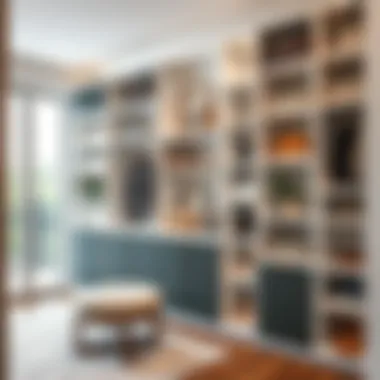
Seating in a walk-in closet? You might be puzzled at first, but it's a game changer. Imagine a cozy nook with a small, upholstered bench or a chic stool tucked away. This isn't just for comfort while putting on shoes or sorting accessories, but also adds a layer of luxury. It can become a striking feature of your space, essentially elevating it from a mere storage area to a personal retreat.
- Consider plush finishes that contrast with crisp shelving for an eye-catching look.
- Opt for a foldable chair if space is tight, allowing flexibility while maximizing square footage.
The key here is to integrate seating that blends with your overall design—think textures, colors, and materials that speak to your style.
Color Schemes for Urban Spaces
In urban environments where space is at a premium, selecting the right color palette can transform the mood of your walk-in closet. Light shades can make the space feel airy, while deeper tones can create an intimate vibe. A few pointers include:
- Light Colors: Soft whites or pastels can open up a small area, making it feel larger.
- Bold Accents: Incorporating dark hues through shelves or an accent wall can lead to a sophisticated contrast—creating visual depth.
- Harmonize with Other Zones: Consider extending or mirroring bathroom or bedroom color schemes so that your walk-in closet feels connected to the rest of your home.
"A carefully curated color scheme not only uplifts your space but also reflects your personal style."
Practical Guides
While design offers inspiration, practical guidance is vital in transforming ideas into tangible benefits.
Selecting the Right Materials
The materials you choose play a pivotal role in the overall longevity and look of your closet. Solid wood offers durability and elegance, whereas laminate provides a modern and cost-effective alternative. Don't overlook specialty materials like glass or metal, which can add a chic and modern edge. Here are a few thoughts:
- Wood: Classic choice that brings warmth.
- Metal: Sleek, modern vibe; consider steel for a contemporary appeal.
- Glass: Adds openness and reflects light, making the space feel larger.
Care and Maintenance Tips
A beautifully organized closet deserves upkeep to ensure it remains in top shape. Regular dusting and the occasional wipe-down with non-abrasive cleaners will keep surfaces looking fresh. Here are some important practices:
- Inspect Regularly: Check for dust buildup where it tends to hide.
- Organize Seasonal Rotation: Swap out clothes seasonally and donate items you haven’t used in a year. This way, you keep clutter at bay.
- Optimize for Temperature: If possible, maintain a stable temperature since extreme conditions can warp materials, especially wood.
For further information and inspiration, explore resources such as Britannica or Wikipedia for insights on design principles.
The Importance of Closet Organization
Organizing a closet may appear to be a mundane task, but it’s a pivotal element of maintaining a functional home environment. For many, a walk-in closet serves as more than just a storage space; it’s the gateway to daily routines and a reflection of one’s personal style. An organized closet not only maximizes space but also facilitates a smoother start to each day.
Enhancing Space Utilization
When it comes to walk-in closets, how space is utilized can make all the difference. Without a proper layout, even the largest closet can feel cramped. Assessing the layout helps you identify underused corners or awkward nooks that are just begging for attention.
- Consider vertical space: High shelves can be a game-changer. Using the height of your closet for storage means that you won't have to sacrifice floor space, which is valuable for mobility.
- Go for multi-functional items: Items like a bench that can double as storage provide both a seating area and a place to tuck away shoes.
Using clever organizational strategies, homeowners can transform what might feel like a cluttered mess into a carefully curated space, making every square inch count.
Improving Accessibility
A closet devoid of organization can turn into a scavenger hunt. The time spent searching for a specific item is a nuisance that many encounter daily. Improving accessibility can be achieved by thoughtfully designing the closet’s layout.
- Group similar items: Keeping shoes with shoes and shirts with shirts minimizes the time spent sorting through. It’s no secret that a little categorization makes all the difference.
- Label storage bins: Clear labeling on bins or shelves eliminates guesswork. When everything has a designated place, even newcomers to the space can find things with ease.
Accessibility is more than just being able to find items; it’s about cultivating a peaceful environment where everything has its place, ultimately making daily life just a tad easier.
Creating a Cohesive Aesthetic
A visually pleasing closet can exert a surprisingly strong influence on your mood. Just because it's a storage area doesn't mean it can't be stylish. An organized closet can reflect your personal tastes and preferences while maintaining functionality.
- Select a consistent color scheme: Choosing colors that complement each other can transform a hodgepodge of items into a seamless visual experience. Think about coordinated hangers or matching bins that align with the closet's overall design.
- Incorporate artful storage solutions: Rather than hiding everything behind doors, open shelving can showcase your favorite accessories or curated pieces, making organization feel less like a chore.
A cohesive aesthetic not only contributes to the visual quality of the space but can also inspire you to maintain organization and cultivate a sense of pride in your closet.
An organized closet is more than just a practical solution; it’s an expression of self and a facilitator of daily life. Taking the time to implement these strategies can yield benefits that extend far beyond the closet door.
Assessing Your Walk-In Closet
Assessing your walk-in closet is like taking stock of a well-loved treasure chest; it’s about more than just figuring out what fits where. This thorough evaluation infuses your space with purpose, transforming chaos into order. By carefully examining the layout, storage needs, and style preferences, you create a strategy that is both practical and aesthetically pleasing. When tailored to your unique lifestyle, the closet can go from being a mere storage area to a sanctuary.
Evaluating Current Layout
First things first, understanding your current layout is crucial. Is it a jumble of clothes and shoes, or does it flow in a manner that just makes sense? Another essential point here is considering how you move within the space. Do you constantly find yourself tripping over shoes or misplacing items?
- Take Measurements: Knowing the dimensions helps in making informed decisions. Measure the width and height of the walls, door placements, and ceiling height. This data informs your organizational approach.
- Accessibility Matters: Think about how easily you can reach items. The layout should cater to how you use it daily. For example, if you wear certain clothes often, position them where they are easiest to grab.
Evaluating the layout is not about overhauling it necessarily; sometimes, little tweaks can yield tremendous results. Rearranging a few key pieces might just ignite a fresh sense of order.
Identifying Storage Needs
What do you need to store, and where’s the space for it? Understanding your storage needs lays the foundation for any organization strategy. Take a look through your clothing, shoes, and accessories to gauge what you really have versus what you think you need. Here’s how you can streamline this:
- Categorization: Group similar items together. For instance, separate your formal wear from casual items. This can reduce visual clutter and make selecting outfits a breeze.
- Reality Check: Have you been hanging onto items that no longer fit or that you don't wear? It may be time for a purge. Be honest with yourself. Letting go of unnecessary things creates space for what truly matters.
Consider various storage solutions that may meet your needs. Think about bins for seasonal items or specialized hangers for accessories. It’s about finding what works like a glove for you.
Considering Style Preferences
The last piece in the assessment puzzle is style preferences. What do you want your closet to convey? It isn’t just about function; it’s also about feeling good when you step into your space. From colors to finishes, every detail counts.
- Personal Touches: Infuse your personality into the design. Whether you fancy bohemian vibes or modern minimalism, make choices that resonate with you.
- Visual Cohesion: Create a sense of harmony in your closet aesthetic. A unified color scheme, whether it's fun or neutral tones, can entirely change the vibe.
"Your closet should reflect your identity—not shrink it."
In summary, by approaching the assessment of your walk-in closet with a keen eye and genuine understanding of your needs and style, you can craft a personalized space that resonates with you. This thoughtful exploration forms the backbone of any effective organization strategy.
Shelving Solutions
When it comes to organizing a walk-in closet, the importance of shelving solutions cannot be overstated. A well-structured shelving system not only maximizes available space but also enhances accessibility and aesthetics. With the right shelving, items can be organized in a way that makes sense, allowing for easy retrieval and minimizing clutter.
Adjustable Shelves
Adjustable shelves are a game changer in the world of closet organization. These versatile structures allow homeowners to modify the height and spacing according to their changing storage needs. For instance, you could set a shelf higher for bulky bags or lower for smaller accessories like shoes or folded clothes. This flexibility is particularly beneficial for families with fluctuating needs over time.
- Personalize Your Space: By adjusting the height, you can tailor the shelves to fit seasonal items. As holiday decorations come and go, or as you cycle through wardrobe changes, having this adaptability keeps your closet functional throughout the year.
- Easy Installation: Many adjustable shelving systems can be installed without professional help. Simple wall tracks allow shelves to be repositioned or removed with minimal fuss.
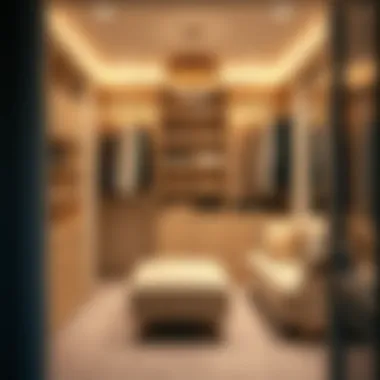

For a blend of form and function, consider using pegboard-style shelving. This design gives you additional options for hanging tools or lightweight items directly on the shelf itself. A creative touch could be incorporating small potted plants or decorative items between clothing, providing a pop of color.
Open vs. Closed Shelving
The debate of open vs. closed shelving is one that often crops up when planning spaces. Both have their advantages; it really boils down to individual preferences and the overall design of the closet.
- Open Shelving: This solution offers an airy feel and showcases your items. It's particularly useful if you have well-organized collections, such as color-coordinated wardrobe pieces or stunning shoe arrangements. The visibility encourages you to keep things neat and tidy. However, one downside is that dust can accumulate quickly, requiring more frequent cleaning.
- Closed Shelving: Shuttered cabinets or shelves with doors can help protect items from dust and provide a clean look. They also conceal clutter and can align with more formal design themes. If you’re someone who prefers a more minimalist aesthetic, going closed could serve you well. The downside is, it makes it harder to see what's available, which can hinder efficient access.
In essence, a hybrid approach—combining both open and closed shelving—may offer the best of both worlds. You can exhibit select items while safeguarding others.
Decorative Display Shelves
Lastly, decorative display shelves contribute significantly to the closet's personality. These elements are not just about storage; they're about showcasing style. Whether it’s framed pictures, beautiful books, or unique decorative pieces, these shelves can turn a functional space into a visually appealing one.
- Creating Focal Points: Use decorative shelves to draw attention to specific areas of the closet. A well-placed shelf with carefully curated items can become a centerpiece, elevating the overall design.
- Combining Function with Art: Consider integrating shelves that serve both storage and decorative purposes. For example, a shelf that holds favorite handbags can also be designed to accentuate the color scheme of your closet.
By investing in innovative shelving solutions, you're not merely organizing your closet but crafting a space that facilitates your lifestyle while reflecting your personal style. Each of these shelving types offers unique benefits that can cater to any individual's requirements. Choosing the right combination can truly transform an ordinary closet into a well-organized sanctuary.
Hanging Solutions
Hanging solutions are the backbone of any effective closet organization system. They optimize vertical space, allowing for better airflow and visibility. A well-organized hanging area not only enhances efficiency but also contributes significantly to the overall aesthetic of your closet. Considering how garments often take up the lion's share of closet space, investing in the right hanging solutions can make all the difference. This section will delve into three key types of hanging solutions: double rod systems, tiered hanging rods, and hooks and pegs, each offering unique benefits for maximizing the functionality and style of your walk-in closet.
Double Rod Systems
Double rod systems are a game changer for those with considerable clothing collections. By opting for a vertical arrangement, clothes can be displayed more prominently, which can make getting dressed in the morning much smoother. This setup provides two separate levels for hanging, effectively doubling your hanging space without requiring more floor area.
- Functionality: Typically, the upper rod can hold longer items like dresses and coats, while the lower rod is perfect for shirts or blouses. This segregation helps while you skim through your wardrobe, minimizing frustration and time spent.
- Flexibility: Some systems allow for adjustable heights, adapting to clothes that might change in length or to accommodate different users, which is particularly advantageous in family homes.
- Visual Appeal: Many double rod systems come in sleek, modern designs that blend seamlessly into the overall closet aesthetic.
"Maximizing vertical space is a must for effective closet organization, and double rods do just that."
Tiered Hanging Rods
Tiered hanging rods are another innovative approach, providing several levels of hanging capability that can accommodate an array of items. These rods help you to organize clothing by type or season effectively.
- Space Saver: Similar to double rods but at a more varied height, each tier can hold different clothing genres, from formal wear on the top to casual shirts and pants below. This allows for easy access and visibility.
- Ideal for Smaller Spaces: If your walk-in closet has limited depth, tiered rods can be an efficient solution to keep everything within reach yet out of the way of clutter.
- Aesthetic Variability: There’s also room to have fun with design here. You can mix and match finishes and colors to fit your style—whether it’s industrial metal, warm wood finishes, or coated options that pop.
Hooks and Pegs
Hooks and pegs might seem simple, but they play a critical role in maximizing organization in your walk-in closet. These versatile tools can hold a variety of items, from bags to belts, creating order where chaos might usually reign.
- Versatility: The beauty of hooks lies in their adaptability. You can install them at various heights and distances to accommodate different items, making them perfect for everything from hats to jewelry.
- Easy Access: By keeping frequently used items at hand, hooks eliminate the hassle of digging through bins or drawers, which can be a real time-saver.
- Decorative Aspect: It doesn’t just stop at function; hooks and pegs can be a design element too. Statement pieces in an artistic design can draw the eye and create an integrated design within your closet, turning practicality into a style statement.
Incorporating one or more of these hanging solutions can transform your walk-in closet from just storage space into a well-organized haven. The key lies in maximizing your vertical space while keeping aesthetics in mind. When thinking about how your hanging solutions fit into the larger picture, the choices can help establish not just order but also the style that resonates with you.
Drawer Systems
When it comes to maximizing the efficiency and style of a walk-in closet, drawer systems play a pivotal role. They provide a practical solution for storing a variety of items, from clothing to accessories, while keeping everything neatly tucked away. A well-designed drawer system not only helps maintain order but can also add a touch of class to the overall closet design.
Custom Drawer Inserts
Tailoring drawer compartments using custom drawer inserts elevates organization to the next level. These inserts eliminate the chaos often created by loose items cluttering drawers, allowing each piece to have its designated space. Depending on the specific needs, you can create inserts for everything from jewelry to ties. For example, a jewelry drawer with soft compartments keeps precious items from scratching or tangling.
Consider the depth and layout of your drawers when designing these inserts. High-sided custom boxes are excellent for storing bulky items like scarves or gloves, while shallower compartments can be perfect for smaller items like hair accessories. This approach not only enhances usability but also allows for more thoughtful presentation of personal items, making them easier to access.
"Every item deserves a home, and custom drawer inserts ensure that it never gets lost in the shuffle."
Soft-Close Drawers
The subtle elegance of soft-close drawers cannot be overstated. These innovations offer a whisper-quiet mechanism that gently glides the drawer shut, preventing the unnecessary clatter associated with typical drawers. This feature enhances usability, especially during busy mornings when you are in a hurry. The smooth operation reduces the risk of pinched fingers and protects items from being jostled, maintaining your organizational efforts.
Beyond their practicality, soft-close drawers add a layer of sophistication to any closet. They can provide an element of luxury—something that discerning homeowners and designers often strive for. Imagine a well-appointed walk-in closet where everything functions seamlessly, enhancing your daily routine.
Stackable Drawer Solutions
When space is at a premium, stackable drawer solutions come to the rescue. These systems allow for abundant vertical storage by stacking drawers on top of each other, making the best use of available height in the closet. This means more room for shoes, accessories, or even seasonal clothing without compromising on accessibility.
Consider investing in stackable solutions that are transparent or semi-transparent, as these can allow for easy visibility of contents. Additionally, ensure the stackable system is stable; after all, nothing disrupts organization more than a toppled tower of drawers. You can often find stackable options in various styles and materials, so pick one that complements the overall aesthetic of the closet.
The End
Incorporating smart drawer systems into your walk-in closet is key to achieving harmony between functionality and style. From custom inserts, which allow for meticulous organization, to the smooth operation provided by soft-close features, and the efficient vertical use afforded by stackable options, each drawer solution complements the overall closet experience. As you refine your closet, remember that every detail counts—choosing the right drawer systems can make a world of difference.
Accessories for Enhanced Organization
In walk-in closets, accessories play a pivotal role in transforming an often cluttered space into an oasis of order. By thoughtfully incorporating various organizational tools, homeowners not only maximize storage but also enhance the overall experience of accessing their belongings. Consider how even the smallest accessory can lead to significant improvements in efficiency and style.
Baskets and Bins
Baskets and bins are the unsung heroes of closet organization. These versatile containers come in various shapes, sizes, and materials, making them perfect for any setup. For instance, you might choose woven baskets to add a rustic charm while creating a home for winter scarves or seasonal items. Clear plastic bins, on the other hand, allow for easy visibility of stored items, keeping everything from shoes to kids' toys neatly tucked away but within reach.
"The right basket can turn chaos into calm, allowing your closet to breathe easy rather than cluttered and cramped."
When selecting baskets and bins, consider the size of your closet. In smaller spaces, opt for stackable bins to utilize vertical real estate. For larger closets, mix and match different textures and sizes to create visual interest while maintaining practicality. Also, labeling these containers not only saves time but also aids in maintaining order over the long haul.
Shelf Dividers
Shelf dividers are another accessory that can elevate organizational success. These simple yet effective tools offer support and structure, allowing clothes, shoes, and accessories to remain where they belong. Imagine a neatly folded stack of sweaters that no longer teeters precariously or shoes aligned without the fear of toppling over.
Having a dedicated divider system can assist in categorizing items by type or season. For example, you might dedicate one section for summer wear and another for winter attire. This clear division simplifies the morning rush, making it easier to locate what’s needed without rummaging through a chaotic stack. When selecting shelf dividers, adjustable options can provide the flexibility to change as your wardrobe evolves over time.
Hanging Organizers
Hanging organizers bring a whole new level of functionality to walk-in closets, particularly for those items that often get lost in the shuffle. These constructs can hang directly from clothing rods, offering pockets or compartments for a myriad of items. Use them for small accessories, jewelry, or even as a place to store flat shoes.
Their strategic placement can expedite dressing routines. Hanging organizers not only keep shorter items visible and accessible but can also work wonders in utilizing otherwise empty space. When choosing hanging options, ensure they complement the decor and structural design of your closet, adding both function and flair. Lightweight fabric pockets paired with robust metal frames can merge style with utility effectively.
Integrating these accessories into your walk-in closet doesn’t merely improve aesthetics; it molds a highly functional environment. Being able to swiftly access what you need while maintaining a clean look elevates everyday routines into effortless routines. Emphasizing accessories serves as a critical step towards achieving that dream closet, where both practicality and style coexist harmoniously.
Lighting Considerations
Good lighting is one of the unsung heroes of successful closet organization. It’s not just about having a bulb that lights up the corner; it’s about how that light interacts with your space. Proper lighting transforms a walk-in closet from merely functional to truly user-friendly. It can highlight your favorite accessories or make it easier to find that elusive pair of shoes tucked away in the back.
When considering your lighting plan, it’s essential to focus on specific elements: natural light, task lighting, and accent features. Each type serves its unique role in creating a balanced and functional space.
Natural Light Optimization
If your walk-in closet has window access, you're already on the right track. Natural light is a game-changer.
- Maximize Window Placement: Think about how to position mirrors strategically to reflect that wonderful sunlight. Mirrors not only create the illusion of more space but also multiply the light.
- Use Light-Colored Window Treatments: Sheer materials can filter the light nicely, allowing it to pour in without sacrificing your privacy.
Moreover, utilizing elements like skylights can enhance the ambience. The presence of daylight can keep your closet feeling open and inviting. Remember that bringing nature into your closet resets the vibe every time you step inside.
Task Lighting Solutions


Task lighting serves a more specific function: illuminating areas where you need a focused light source. Think of it as the spotlight on your closet’s main acts.
- Direct Lighting: Recessed lights work wonders in providing a clean and modern look. They wash over your clothing racks and shelves without being obtrusive.
- Under-Shelf Lighting: Installing LED strips beneath shelves not only provides a contemporary touch but also shines light directly onto your shoes, bags, or folded items.
- Wall-Mounted Fixtures: Sconce lighting beside mirrors is a thoughtful way to ensure you have enough light when trying on outfits or selecting accessories.
Keep in mind that using multiple switches can allow you to tailor the brightness as needed. Light dimmers can also add a nice touch, letting you adjust the ambiance when required.
Accent Lighting Options
Accent lighting not only highlights certain features but adds a layer of depth to your closet. It accentuates key areas and can even turn organization into a mini art display.
- Spotlights for Accessories: If you like displaying handbags or shoes, consider directional spotlights that emphasize these items. This approach not only showcases your collection but also adds a sophisticated touch to the overall décor.
- LED Backlighting on Shelves: This can create a floating effect and set a mood that changes with the time of day. Alongside a warm color temperature, it offers a cozy vibe that enhances comfort.
- Decorative Fixtures: Don’t shy away from incorporating unique pendant lights that fit your style. They can become focal points while providing ample light.
By thoughtfully combining these lighting strategies, your walk-in closet can become not just a storage space, but a reflective sanctuary.
"Good lighting can make even the smallest spaces feel bigger and brighter."
In essence, proper lighting isn’t just an afterthought; it’s an integral part of designing a functional and enjoyable closet space. Every detail matters, from optimizing natural lighting to implementing precise task and accent lighting solutions, ultimately leading to a well-organized and visually appealing environment.
Color Schemes and Materials
Choosing the right color scheme and materials for your walk-in closet plays a significant role in setting the tone and usability of the space. The culmination of stylish yet functional materials, paired with an inviting color palette, not only enhances aesthetic appeal but also contributes to an organized, comfortable environment. Ignoring this aspect can lead to a haphazard look that detracts from the whole experience. In short, color and material choices can make or break your closet's design.
Choosing a Color Palette
When selecting a color palette for your walk-in closet, consider the overall design theme of your home. A closet that mirrors the primary decor will feel more cohesive. Go for lighter shades like cream, soft gray, or pastels to create an airy feel and maximize light. Alternatively, deeper tones like navy, forest green, or even black can impart a sense of sophistication and elegance.
Combining colors also adds depth. For a modern twist, think about pairing a neutral base with bold pops of color in accessories. Accent walls or even colorful shelving can work wonders, creating interest without overwhelming the senses. Just make sure to choose colors that are compatible; you don’t want a clash that makes the closet feel smaller. Moreover, test paint samples in different light conditions to find the shades that work best at various times of the day.
Materials for Durability and Style
Selecting materials for your walk-in closet should encompass not just style but also a mindful approach toward durability.
- Wood is a classic choice that offers longevity and warmth, especially if you go for solid hardwood as opposed to composite options. With proper care, wooden shelves can last decades.
- Metal components like rods and brackets provide a modern industrial touch and are strong enough to hold heavier items. They can be finished in various ways to blend or contrast with your chosen color scheme.
- Fabric plays a vital role as well. Soft textiles in drawer liners or organizers not only add luxurious touch but also protect your belongings. Think about washable options that make upkeep easy.
- Glass is also prevalent for shelving and doors, giving an illusion of space while showcasing items beautifully. Just remember, glass needs to be handled carefully, especially in high-traffic areas.
Ensuring that the materials you pick can withstand the test of time in both function and fashion is key to creating a lasting impression.
Finishing Touches and Hardware
The finishing touches in a closet add yet another layer of personalization and functionality. Proper hardware choices can enhance both the style and functionality of the space. Opt for drawer pulls and knobs that match, or purposefully mismatch for an eclectic vibe. Metals like brass or matte black can inject elegance while also serving practical functions.
Don’t overlook the details like hinges and drawer slides; soft-close mechanisms help in maintaining a quiet and sophisticated ambiance.
Accessories such as stylish storage bins, decorative trays, and organized jewerly holders are also vital in aligning with your color choices and enhancing utility without sacrificing aesthetic quality.
"The right choice of colors and materials breathes life into your closet space, turning it from mere storage into a personal sanctuary."
Maintaining Organization Over Time
Keeping your walk-in closet organized isn’t just a one-time event; it's an ongoing journey that demands commitment and strategy. The significance of maintaining organization over time cannot be overstated, especially for those who lead busy lives. When order becomes routine, you save time, reduce stress, and create a harmonious living environment, which is crucial for maximizing your closet's potential. It’s about creating a functional space that reflects your lifestyle and preferences while also accommodating changes over time.
A well-maintained closet benefits you in myriad ways:
- Enhanced Efficiency: Spending less time searching for items means you can start your day on a positive note.
- Adaptability: Keeping it organized allows for easy adjustments as your needs evolve—whether it's a seasonal wardrobe change or an addition of new storage solutions.
- Aesthetics: Regular organization helps keep the visual appeal intact, ensuring your closet remains a stylish part of your home.
Regular Purging of Unnecessary Items
One of the cornerstones of an organized closet is the habit of regular purging. As seasons change and new styles emerge, it becomes all too easy to accumulate items that no longer serve you. It’s time to roll up your sleeves and sift through your clothing and accessories.
Consider setting a fixed schedule, like every three or six months, dedicated solely to this task. Create a sorting system:
- Keep: Items that you wear often and love.
- Donate: Clothes that could serve another person well.
- Discard: Items that are damaged or beyond repair.
This ritual not only clears physical space but also offers a mental refresh. Moreover, clearing out the old can provide you with insights into what you truly need, hence preventing future clutter.
"Out with the old, in with the new! Purging regularly allows you to keep your wardrobe fresh and relevant."
Seasonal Swaps and Storage
As the seasons change, so too should the contents of your closet. The seasonal swap involves rotating garments suited to warm or cold weather. This not only maximizes space but also keeps your wardrobe functional.
For example, in spring, you might want to bring out lighter fabrics such as cottons and linens. Conversely, during winter, wool and heavier materials should take priority. Invest in storage bins or vacuum-sealed bags to safely stow away off-season clothing. You can easily label these to identify contents quickly.
Additionally, ensure that seasonal items are placed in a location that is easily accessible. A designated area in your closet can house your seasonal attire, saving time and frustration.
Keeping Inventory Updated
An often-overlooked aspect of closet maintenance is keeping a current inventory of your belongings. Knowing exactly what you have can play a vital role in ensuring your closet remains functional.
You might want to leverage technology for this. Apps that track your wardrobe can be immensely beneficial by eliminating duplicates and preventing unnecessary purchases. For a more hands-on approach, a manual inventory list may suffice. Regularly reviewing this list helps you stay aware of seasonal trends and personal styles, aligning them with your current lifestyle and preferences.
To maintain this effectively:
- Review your inventory bi-annually.
- Adjust for new purchases or items you’ve decided to part ways with.
- Make notes on what should be replaced or repaired.
Keeping your closet organized over time is no small feat, requiring a continuous commitment to organization practices. It’s about being proactive rather than reactive. Ultimately, it transforms your closet from a chaotic space into one that echoes your sense of style and efficiency.
Incorporating Personal Touches
Personal touches in a walk-in closet can transform a utilitarian space into a personal sanctuary. When we take the time to customize these areas, we don’t just improve functionality; we create a setting that resonates with our identity. This is where taste meets practicality, allowing us to showcase our interests while keeping everything organized. Incorporating personal elements into your closet enhances its charm and reflects who you are.
Personalized Decor
Adding personalized decor to your walk-in closet can make a world of difference. This could be as simple as choosing a color palette that feels comfortable and inviting. Consider the hues that uplift your mood. Light blues and greens can evoke calm, while bold reds or gold can energize the space.
You might also incorporate unique artwork or decorative items that speak to your personality. A vintage hatbox, a framed print of a favorite destination, or even a small sculpture can provide that extra flair. Investing in decorative boxes can be both aesthetically pleasing and functional, hiding away items while adding to the closet's essence.
Keep in mind that over-decorating may clutter the space. Strive for balance; a few chosen treasures can create a welcoming atmosphere without overwhelming the sense of organization.
Photography and Art Display
Displaying photography or art in your walk-in closet can offer a delightful visual experience. This can be particularly impactful if you choose to showcase prints from your travels or family portraits. A gallery wall—consisting of small frames—along one side of the closet can add life and a personal narrative to the room.
Consider the materials used for framing, opting for finishes that resonate with your closet's overall design. If you prefer a more modern look, sleek metal frames may suit your style, while a rustic wooden frame evokes warmth and nostalgia. Beyond just a visual element, these displays serve as daily reminders of cherished memories, providing a personal touch that enhances the ambiance.
Integrating Sentimental Items
Integrating sentimental items hints at a deeper connection to your belongings. Items like heirlooms, gifts from loved ones, or even souvenirs from life’s special moments can occupy a unique space within your closet. It’s essential to curate these items purposefully; perhaps designate a shelf or a set of ornamental boxes to house these treasures.
These objects not only add a personal dimension to your space but also tell a story, creating an emotional connection when you engage with them. It’s important to choose what resonates with you, ensuring your closet remains a reflection of your journey.
In sum, the incorporation of personalized decor, art, and sentimental items transforms a walk-in closet from a simple storage space into a cherished part of your home. The more you invest in these touches, the more your closet reflects your life and style, leaving a lasting impression.
Creating Zones within the Closet


Creating zones in a walk-in closet is essential for optimizing functionality and enhancing organization. By clearly defining areas for different functions, one can create a space that flows well and meets diverse needs. This approach not only simplifies the process of finding items but also elevates the overall aesthetic appeal of the closet. When each section serves a specific purpose, it can decrease clutter and heighten the efficiency of your daily routine.
Defining Areas for Different Functions
To kick things off, it’s crucial to delineate various areas in your walk-in closet. For example, consider establishing a section solely for clothing—divided by seasons or usage—another area for accessories, and a space dedicated to shoes. This way, when you're racing against the clock or simply too tired to think, you won't waste time sifting through a jumble of items.
Some practical ideas include:
- Clothing Zone: Use one wall for hanging clothes, separated by types such as blouses, trousers, and dresses.
- Shoe Rack Zone: A tiered shoe rack can keep footwear visible and accessible.
- Accessory Area: Wall-mounted hooks or a small shelf for jewelry and bags can bring organization to this often chaotic area.
"An organized closet can transform your daily routine, making it smoother and more efficient."
Utilizing Vertical Space Wisely
Next up, let’s talk about vertical space. Many individuals tend to overlook the height of their closets, favoring items that are easier to reach. But utilizing that vertical real estate can vastly enhance your organization. Think of high shelves and racks that can store less-used seasonal items or large bins filled with assorted goods. You could also add hanging organizers on the back of the door.
Innovative ways to use this space include:
- Tall Shelving Units: Install shelves that extend to the ceiling to store less frequently accessed items.
- Ladder Access: Keep a small, stylish ladder nearby for accessing those upper shelves where out-of-season clothing might live.
- Hooks and Pegs: Use all available wall surface by anchoring hooks that can hold bags, scarves, or even shoes, keeping them off the floor while remaining in reach.
Incorporating Multi-Functional Furniture
Finally, blending functionality with style is where multi-functional furniture comes into play. Think beyond the basics when choosing elements for the closet. A bench can serve as both a seating area and provide hidden storage for items like shoes and bags beneath its surface. Additionally, considering furniture that can double up on purpose can save space while maintaining a clutter-free environment.
Ideas for multi-functional items may be:
- Ottoman with Storage: A plush ottoman can function as a seating area while keeping nuisance items tucked away.
- Mirror with Shelving: A mirror that incorporates shelves not only lends an open feel but also provides a stylish place for displaying accessories.
- Small Dressers or Carts: A rolling cart can be excellent for movement, allowing you to relocate items as needed while showcasing a neat, organized look.
Sustainable Organization Practices
In recent years, there has been a growing awareness surrounding sustainability, entwined seamlessly with daily choices, including how we organize our spaces. The use of sustainable organization practices not only benefits our environment but also enriches our personal spaces, making them healthier and more appealing. When it comes to walk-in closets, these practices can transform a chaotic mess into an orderly haven while helping to reduce our carbon footprint. Here, we delve into three critical components: using eco-friendly materials, encouraging upcycling of items, and implementing energy-efficient solutions.
Using Eco-Friendly Materials
Selecting materials that are kind to the planet is a crucial starting point in building a sustainable closet. Opting for organic or recycled materials for shelving, shoe racks, and even curtains can remarkably lower the environmental impact.
- Bamboo: Lightweight, sturdy, and grows back rapidly, making it a perfect candidate for durable shelves.
- Reclaimed Wood: Not only does it possess character, but it also prevents trees from being cut down. Incorporating this into your closet can provide a rustic charm while being eco-conscious.
- Eco-friendly finishes: Look for paints and stains that use low VOCs (Volatile Organic Compounds), which reduce indoor air pollution while presenting your space in a lively manner.
Integrating these options isn’t just a trend; it’s a lifestyle choice that speaks volumes about your commitment to sustainability. As a benefit, these materials often carry unique features or stories, enhancing the closet’s overall aesthetic.
Encouraging Upcycling of Items
Another effective approach is upcycling, the fine art of transforming old items into something new and functional. Instead of discarding unused furniture or containers, find innovative ways to breathe new life into them for your closet organization.
- Old ladders can easily be converted into stylish shoe racks.
- Mason jars serve perfectly as small accessory holders or for storing miscellaneous items like pins, buttons, or even jewelry.
- Suitcases can be repurposed as quaint storage solutions, adding both functionality and nostalgia to your wardrobe.
By encouraging this sort of creativity, homeowners can maintain a less wasteful approach while also adding a dash of personality to their closet spaces. Plus, upcycled items often become great conversation starters at gatherings.
Implementing Energy-Efficient Solutions
Finally, lighting contributes immensely to the feel of a closet space, yet it can also significantly affect energy consumption. Implementing energy-efficient lighting solutions is essential for a sustainable closet. Consider replacing traditional bulbs with LED lights; they last longer and use a fraction of the energy.
- Motion sensors can be an excellent addition, ensuring that lights are only on when needed, conserving energy in the process.
- Additionally, utilizing natural light can enhance the ambiance during the day. Positioning mirrors tactically can help reflect natural light, illuminating your space beautifully and reducing reliance on artificial lights.
"Sustainable materials, a passion for upcycling, and energy-efficient technologies are not just trends; they're pathways to a healthier planet and delightful living spaces."
These three sustainable practices not only contribute to environmental well-being; they also form the foundation for a thoughtfully organized walk-in closet. Homeowners can reap the dual rewards of enhanced aesthetics and eco-friendliness, creating spaces that are not just livable, but also kind to the world around us.
Contracting Professional Organizers
When it comes to transforming your walk-in closet from a chaotic jumble of clothes and accessories into a well-organized space, one option worth considering is hiring a professional organizer. These specialists possess the skills and experience to optimize your closet with creative solutions tailored to your needs. Professional organizers bring a wealth of knowledge that can enhance both functionality and aesthetics, ultimately saving you time, money, and stress.
When to Consider Hiring Help
It might be tempting to tackle the closet organization task on your own, but there are certain scenarios when enlisting the help of a professional organizer could be a game-changer. For instance:
- Overwhelmed by Clutter: If your closet has become a black hole of disarray, a professional can help streamline the process and create a manageable plan.
- Time Constraints: Many people lead busy lives and simply don’t have the time to dedicate to organizing their spaces. Hiring an organizer frees you up to focus on other priorities.
- Specific Design Goals: If you have a particular vision for your closet that you can’t quite achieve, a pro can help bring that vision to life with tailored solutions.
Screening and Selecting Organizers
Choosing the right professional organizer involves a careful selection process. Here are several key points to keep in mind:
- Research Credentials: Look for organizers who are certified or who belong to reputable organizations, such as the National Association of Professional Organizers (NAPO). This often indicates a level of professionalism and experience.
- Evaluate Their Portfolio: Ask to see before-and-after photos of their previous projects. This helps gauge their style and effectiveness.
- Read Reviews: Check online reviews and testimonials. They frequently provide insights into an organizer's strengths and weaknesses.
- Interview Them: Don’t hesitate to conduct interviews. Ask about their approach to organizing and whether they provide custom solutions.
Establishing Clear Goals
Before kicking off the project, it’s vital to establish clear goals with your professional organizer. Here’s how to effectively go about it:
- Discuss Your Needs: Communicate your primary concerns—be it maximizing storage, harmony in colors, or simply decluttering.
- Set Priorities: Identify what you need the most from your closet. Is it easier access to frequently used items or a stylish display of shoes?
- Create a Timeline: Agree on a schedule and milestones to stay on track. This prevents the project from dragging on and helps maintain momentum.
By following these guidelines, enlisting a professional organizer can be a seamless experience that leverages their expertise, turning your walk-in closet into a haven of organization.
"Hiring a professional organizer can transform a chaotic space into a functional and aesthetically pleasing environment."
Consider exploring more about professional organizing at Wikipedia or Reddit for community tips and dialogues.
Employing a professional organizer is about investing in your peace of mind and reclaiming your space; it allows you to focus on what truly matters, turning a cluttered chaos into a curated experience.
Future Trends in Closet Organization
The evolution of closet organization deserves a spotlight. As we advance deeper into the 21st century, staying ahead of trends in organization can significantly enhance both functionality and aesthetics within our homes. It’s not merely about storing clothes or accessories anymore; it’s about fostering a space that resonates with personal style while maximizing efficiency. Understanding these trends can aid homeowners, designers, and retailers alike in curating a personalized approach that meets contemporary needs and reflects current ideals.
Smart Technology Integration
Smart technology is infiltrating every corner of our homes, and closets are no exception. Equipped with the right gadgets, walk-in closets can transform into multifunctional spaces. Imagine using a smart closet system that alerts you when an item is out of season or out of place.
- Smart mirrors can display outfits while providing feedback on style choices.
- Automated lighting that turns on with movement ensures visibility without needing to flip a switch.
- Smart shelves can readjust themselves based on your wardrobe changes, eliminating clutter and fostering a flawless fit.
This practice doesn't just add convenience; it significantly aids in organization by helping you to maintain control over your belongings. The integration of smart technology promotes a fluid experience, making everyday interactions with your closet feel as sleek as a well-designed app.
"Innovation has the ability to disrupt the familiar, paving the way for new standards in functionality and personal style to coexist effortlessly."
Customization Options on the Rise
With growing demands for individuality, customization options in closet organization are booming. No longer are homeowners confined to generic storage solutions. The market is observing a surge in:
- Modular systems that adapt to users' specific needs, from shelving to hanging space.
- Color and material options that allow personal expressions to flourish—think reclaimed wood or sleek metal finishes.
- Tailored storage solutions for unique items such as jewelry or ties, ensuring everything has its rightful place.
This trend reflects a broader desire for spaces that serve distinct purposes tailored to the user. By selecting personalized components, one creates a closet that not only reflects individual taste but also carries an inherent functionality that makes daily routines more efficient. The choices available today are reminiscent of choosing an outfit; they’re opportunities for self-expression wrapped in practicality.
The Influence of Minimalism
Minimalism continues to wield significant influence in the realm of interior design and closet organization. This design philosophy promotes simplicity while emphasizing quality over quantity—a mantra resonating with homeowners finding joy in decluttering their spaces.
The push for minimalism fosters:
- Consolidation of belongings to prioritize essentials.
- Clear visibility and accessibility, making reach-in selections quicker and simpler.
- Furniture innovations that cater to the minimalist's edge, with sleek lines and understated designs that fit seamlessly into modern homes.
Incorporating minimalist principles into closet organization does not merely provide tidiness; it cultivates a breathing space that replenishes the spirit. By reducing visual clutter, one can focus more on what truly matters, ultimately redefining lifestyle choices both inside and outside the closet. As we continue to adapt to our evolving lifestyles, minimalism offers a firm grounding in the trending tide of organization strategies.