Sheffield Home Mirror Portfolio: Design & Functionality
Intro
The intricate world of interior design is one where aesthetics and functionality brush shoulders, harmonizing in a dance of light, space, and style. When it comes to defining modern urban living, one piece often transcends mere reflection: the mirror. Particularly, the Sheffield Home Mirror portfolio stands out as a compelling instance of how design can elevate both form and function in everyday spaces.
For architects, interior designers, and homeowners alike, mirrors possess an unusual duality. They can amplify light and create the illusion of space while serving as decorative focal points. This exploration looks closely at the Sheffield Home Mirror collection, unveiling its diverse range of styles and the thoughtful design elements behind them. It aims to arm the discerning reader with insights that spur creativity and advanced thinking in home aesthetics.
In doing so, we’ll consider how specific factors like design inspiration and practical guides can enrich one’s understanding of these reflective pieces. Readers can expect to dive into creative seating arrangements and color schemes that work beautifully with mirrors, along with tips on selecting materials and maintaining these exquisite objects. Through this study, the intention is to provide a thorough analysis tailored for professionals and homeowners seeking to enhance their living spaces while staying true to their design ethos.
As we dig deeper into the Sheffield Home Mirror portfolio, let’s explore the elements that set this collection apart and why thoughtful selection matters when it comes to elevating the home environment.
Prologue to Sheffield Home Mirrors
In the world of contemporary home decor, mirrors often play a crucial role, serving not just a functional purpose but also enhancing aesthetic appeal. Sheffield Home mirrors exemplify this blend of utility and design, offering pieces that harmoniously fit into various interior styles. This introduction aims to elucidate their importance within the context of modern urban living and underscore the thoughtful craftsmanship behind each product.
Mirrors have historically been regarded as portals into creativity, reflecting not only images but also styles and moods. When it comes to Sheffield Home, the philosophy revolves around creating mirrors that are more than mere reflective surfaces; they are artistic statements and essential elements in interior design. In a bustling urban environment, where space may be constrained, these mirrors help amplify light and create an illusion of openness, a necessary quality for many city dwellers.
As we delve into the design ethos of Sheffield Home, it's pertinent to recognize how these mirrors exemplify the essence of thoughtful selection – each piece designed with a purpose, whether to invoke nostalgia with vintage patterns or to embrace minimalism with modern lines. Homeowners and interior designers alike benefit from understanding the versatility and transformative power of these mirrors in crafting cohesive aesthetics that resonate with personal style.
"Mirrors can change the way we perceive spaces, effectively altering dimensions and infusing life into still surroundings."
This introduction lays the groundwork for the discussion on mirror categories, design trends, and the significance of materials used in their construction, ultimately leading to a richer understanding of their role in shaping environments. With a focus on quality and style, Sheffield Home mirrors set a standard that bridges function and elegance, catering to both pragmatic needs and artistic aspirations.
Categories of Sheffield Home Mirrors
When it comes to interior design, choosing the right mirror is more than just a matter of aesthetic preference. Every type of mirror serves a specific purpose that can enhance the overall ambiance of a space. Sheffield Home offers a diverse range of mirrors, categorized primarily to meet different design needs and functional requirements. This section will explore these categories in detail, shedding light on the specific elements and benefits that each type provides.
Framed Mirrors
Framed mirrors serve as a marriagge between functionality and artistic expression. The frame often dictates the mirror’s overall style, providing an opportunity to incorporate different materials, colors, and textures into a room. For instance, a wooden frame might exude warmth and earthiness, while a sleek metal frame can add a touch of modernity.
Benefits of Framed Mirrors:
- Customization: Frames can be matched with surroundings to complement or contrast existing décor.
- Protection: Thick frames provide durability against wear and tear.
- Style Statement: A well-chosen frame can become a centerpiece, enhancing the room's visual appeal.
Wall Mirrors
Wall mirrors are the unsung heroes of interior spaces, often overlooked in their importance. They offer a pivotal role in enlarging rooms visually and can be strategically positioned to reflect light and views from windows. These mirrors can be installed at various heights and angles, making them versatile in different layouts.
Considerations when choosing Wall Mirrors:
- Size Matters: The size of the wall mirror should correlate with the dimensions of the wall it occupies. Too small and it will get lost; too large and it risks overwhelming the space.
- Placement: Positioning the mirror opposite a window can maximize natural light and create a brighter atmosphere.
- Style Coherence: Wall mirrors should align with other wall décor to maintain visual balance.
Standing Mirrors
Standing mirrors, also known as full-length mirrors, add both functionality and elegance to a room. Commonly used in bedrooms or dressing areas, they serve a practical purpose, allowing individuals to check their full outfit. However, they also work wonders in enhancing a room's depth and light.
Some key aspects of Standing Mirrors include:
- Adjustability: Many standing mirrors offer tiltable designs, allowing for flexible positioning based on the viewer’s preference.
- Space Efficiency: Unlike wall-mounted mirrors, standing mirrors can be repositioned, making them suitable for evolving spaces.
- Statement Pieces: With an attractive frame, a standing mirror can act as a striking focal point against a neutral backdrop.
Decorative Mirrors
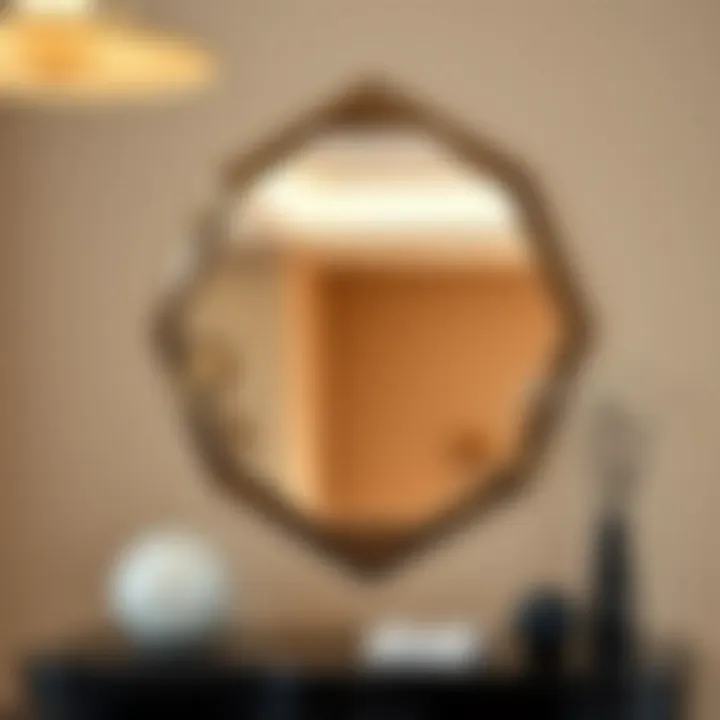
Decorative mirrors incorporate artistry and functionality to elevate living spaces. Often more than just reflecting surfaces, these mirrors come in unique shapes and designs that embody different artistic movements—from geometric patterns to ornate baroque frames.
Key features of Decorative Mirrors:
- Artistic Expression: They can serve as wall art themselves, providing an opportunity to showcase personal style.
- Conversation Starters: Interesting designs can intrigue guests and promote discussion about a room's design choices.
- Combination Functionality: These mirrors can complement light fixtures, making them multifunctional in a stylish manner.
Material Choices in Mirror Design
When tackling interior design, every element has its own story, and mirrors are no exception. The materials selected for mirrors not only affect their aesthetic appeal but also their functionality and durability. In the Sheffield Home Mirror portfolio, diverse materials come into play, each presenting unique strengths and considerations. This section digs deeper into how material choices shape the characteristics of mirrors and what that means for urban living spaces.
Glass Types and Their Properties
The heart of any mirror is, of course, the glass. Various types of glass offer differing properties that cater to distinct design needs.
- Standard Glass: This is commonly used and is known for its clear reflection. However, it might not stand up to impacts well, which can be a concern in busy household environments.
- Tempered Glass: A step up from standard glass, tempered glass undergoes a safety process that makes it up to five times stronger. If shattered, it breaks into small, blunt pieces rather than sharp shards, making it a safer option for families.
- Mirrored Glass: This specialized glass undergoes a silvering process, with a reflective coating added to produce that iconic mirror effect. Depending on the quality, mirrored glass can vary in clarity and reflectivity.
Choosing the right glass type is crucial, especially in urban settings where space and safety are paramount. A well-chosen glass not only extends the mirror's life but enhances its ability to serve its purpose effectively.
Frame Materials: Wood vs. Metal
The frame is what sets the stage for the mirror, providing it with character and context. Sheffield Home Mirrors showcase a duality of framing materials—wood and metal, both of which have their charms and challenges.
- Wood: Often chosen for its warmth and natural appeal, wood brings a touch of earthiness to any space. It can be easily stained or painted to match existing decor, and offers varieties from rustic to modern designs.
- Metal: With a more industrial or contemporary flair, metal frames provide a sleek, polished look. Their durability is unmatched, making them ideal for high-traffic areas. Whether it is a brushed finish or a shiny chrome, metal can be a striking choice that also enables geometric shapes not easily achieved with wood.
In the end, the decision between wood and metal hinges on the broader interior design vision and the story each material tells in the larger context of the space.
Finishes and Textures
The finishing touches in mirror design can often make or break the overall aesthetic. The textures and finishes applied to frames and surfaces can evoke particular feelings and moods, making them essential aspects in design choice.
- Matte Finishes: These add a subtle, understated elegance to mirrors. They can soften the sharpness and provide a contemporary feel.
- Glossy Finishes: For those leaning towards a modern aesthetic, glossy finishes reflect light beautifully and can amplify the sense of brightness within a room.
- Textured Surfaces: Texturing can introduce depth, adding an artistic element to a mirror. From organic patterns to geometric shapes, textures amplify a visual experience and can create focal points in otherwise static spaces.
Careful consideration of finishes and textures not only amplifies the stylistic context of mirrors but may also influence their utility, such as how they interact with light in smaller apartments.
Design Trends Influencing Mirror Styles
In the realm of interior design, mirrors serve not just as functional items but also as key players in setting the aesthetic tone of a space. Their treatment in design is ever-evolving, shaped by cultural and artistic movements. Understanding current design trends influencing mirror styles is essential for anyone looking to enhance their living spaces or work environments. These trends encapsulate visual and conceptual frameworks that can bring harmony and character to urban homes.
Minimalism and Simplicity
Minimalism has taken the design world by storm and mirrors are no exception to this principle. In a world bursting with complexity, the allure of minimalism lies in its clear lines and uncluttered aesthetics. The simplicity found in minimalist mirror designs not only appeals to the eye but also meets the practical needs of urban homeowners.
- Clean Lines: Many contemporary mirrors feature a frame that prioritizes geometric shapes and unadorned surfaces. This design choice invites a more spacious feel, even in cramped areas.
- Neutral Colors: Often, these mirrors come in soft hues—whites, grays, or even muted pastels—that blend easily with surrounding furnishings.
- Versatile Size: A minimalist mirror tends to come in various sizes, which offers flexibility in placement, making it easier for decorators and homeowners to experiment with positioning.
The minimalist approach encourages the idea that "less is more," providing depth without overwhelming the senses. Such mirrors often function effectively in both small studios and expansive lofts, mirroring the aesthetic needs of diverse spaces.
Vintage and Retro Inspirations
The charm of yesteryears frequently resurfaces in modern designs. Vintage and retro-inspired mirrors bring a distinct character that resonates with nostalgia while serving the present's needs. These mirrors often showcase intricate craftsmanship that appeals to those invested in quality and heritage.
- Art Deco Lines: Characterized by geometric shapes and bold colors, Art Deco mirrors can add elegance and sophistication to any decor.
- Rustic Frames: Wooden mirrors that highlight the grain and texture can evoke a homely feeling, connecting contemporary design with a rustic past.
- Color Palettes: Retro designs often embrace vibrant colors, allowing for a playful approach to decor, infusing personality into a room.
Utilizing vintage mirrors helps in creating focal points. When placed strategically, they offer a distinctive flair that both celebrates the past and complements modern aesthetic sensibilities. A well-placed retro mirror can often trigger memories and conversations, making it a functional as well as a decorative element.
Modern Art Influences
The influence of modern art cannot be overstated in contemporary interior design. Mirrors shaped and styled under the umbrella of modern artistic movements borrow from diverse perspectives, bringing into play a variety of forms and functions.
- Abstract Designs: These mirrors often break conventional shapes, adopting freeform styles that can become the centerpiece of a room. An asymmetrical design might serve as a stunning wall piece that sparks interest.
- Materials and Textures: Influences from modern art mean more than just shapes; they include innovative materials too. Mirrors that incorporate metal and glass can bring a tactile variety while complementing other elements in design.
- Functionality Meets Art: Many modern art-inspired mirrors function as more than just reflective surfaces; they can carry aesthetic heft, acting as sculptures in their own right.
The dialogue between mirror design and modern art speaks to a broader cultural narrative. When selected and placed with intent, these mirrors can indeed serve as a bridge between art and everyday life, enhancing the overall ambiance of a space.
In summary, understanding current trends in mirror design can lead to thoughtful selections that serve both aesthetic and functional roles in urban living spaces. As design continues to evolve, the thoughtful integration of these styles promises to keep interiors vibrant, adaptable, and reflective of personal tastes.
Functional Benefits of Mirrors in Interiors
Mirrors have long been recognized as essential elements in interior design, serving not just decorative purposes but also practical functions. They can transform spaces, enhance aesthetics, and make an area feel larger than it truly is. In the context of Sheffield Home Mirrors, understanding these functional benefits can aid designers, homeowners, and architects in making informed choices that lead to cohesive and inviting environments.
Creating Illusions of Space
One of the fundamental roles mirrors play in interiors is the ability to create illusions of space. Particularly in urban environments where square footage can be a luxury, mirrors act as expansive tools, making small rooms appear larger and more open. Imagine a cozy apartment living room; positioning a large wall mirror opposite a window can reflect not only the view outside but also the light entering the room. The result is an airy ambiance that invites comfort and style.
The skillful placement of mirrors can effectively trick the eye. When they are hung at strategic points, they multiply the visual dimensions of a room. For instance, using a mirror in a narrow hallway can provide an illusion of width, while in a tight corner, it can help draw focus away from cramped spaces.
A well-placed mirror can silently shout expansiveness without making any noise.
Enhancing Natural Light
Professional designers often prioritize the use of natural light in creative spaces. Mirrors serve as perfect accomplices in maximizing available light. By reflecting sunlight, they can amplify brightness, making rooms warmer and more inviting. A mirror positioned across from a source of light, like a window or a skylight, can double the natural daylight entering a space.
This effect is particularly beneficial in darker rooms or areas with few windows. Choosing a Sheffield Home Mirror with a shiny metallic frame can further enhance this effect, as the frame catches and disperses light. From gold-trimmed decorative mirrors to sleek metal-framed pieces, the selection available is varied enough to meet different stylistic requirements while keeping functionality at the forefront.
Adding Depth and Dimension
Beyond simply reflecting the environment, mirrors can introduce layers of depth and dimension to a design scheme. This is particularly important in flat wall configurations that lack character. A framed mirror can act as a focal point, drawing attention and activating space.
When used alongside other design elements, the interplay between mirrors and furnishings can create a dynamic balance. For instance, positioning a large decorative Sheffield mirror behind a console table can create a compelling visual depth, encouraging the eye to travel through the space. Additionally, mixing different mirror shapes and sizes can lead to intriguing visual contrasts, contributing to the overall character of the room.
Integrating Mirrors into Urban Living Spaces
In the heart of urban living spaces, where every inch counts, mirrors have carved their niche as not just reflective surfaces but as pivotal design elements that can redefine a room's ambiance. With increasing apartment sizes shrinking in cities, maximizing functionality and aesthetics has become crucial. This section explores how integrating Sheffield Home mirrors can transform ordinary spaces, creating illusions of depth, enhancing natural light, and bringing a touch of elegance into compact home settings.
Strategic Placement Techniques
When it comes to placing mirrors, strategy is the name of the game. The right positioning can create striking visual effects, making rooms feel larger and more open than they actually are. Here are some techniques to consider:
- Facing Windows: Positioning a mirror across from a window amplifies natural light, reflecting it deeper into the room. This not only brightens the space but also introduces a sense of tranquility, reminiscent of nature.
- Focal Points: Use mirrors as focal points above mantels or sofas to draw the eye, creating a natural flow in your interior design. A large Sheffield Home mirror can serve as a captivating centerpiece, framing other decorative elements.
- Layering Effects: By placing smaller mirrors among art pieces or along a gallery wall, one can add dimension and intrigue. This layered approach encourages exploration of the space and enhances visual complexity.
- Room Division: In open floor plans, mirrors can function as semi-partitions. When placed strategically, they can define different areas without cutting off sight lines, maintaining the breathability of the space while providing visual interest.


Harmonizing with Existing Decor
The aesthetic choice of mirrors from Sheffield Home extends beyond mere functionality; they serve as key players in achieving harmony throughout a space. Here are a few points to ensure that mirrors complement rather than clash with surrounding decor:
- Consider Style and Finish: Whether your space is modern, rustic, or a blend of styles, selecting mirrors that harmonize with existing furniture and finishes is crucial. A sleek metal finish might work wonders in a contemporary setting, while a vintage wooden frame could add warmth to a traditional room.
- Color Palette Matching: A mirror’s frame can subtly reflect the color scheme of a room. This not only ties elements together but also reinforces a cohesive look. Choosing a color that echoes the hues in curtains or cushions can enhance the overall visual cohesion.
- Scale Matters: Large mirrors in small spaces can overwhelm, while tiny mirrors can get lost in expansive rooms. Assessing the scale of both the mirror and the room is essential for balance. A mid-sized Sheffield Home mirror can offer the perfect compromise, making a statement without overpowering the space.
- Texture Consideration: Reflective surfaces like glass can contrast with textured materials such as wood or fabric, adding layers of sensory interest. This interplay of textures binds different elements in a room more effectively, creating an inviting atmosphere.
Utilizing mirrors in urban living spaces is akin to using a magic wand in design. With Sheffield Home mirrors, not only can you accentuate the beauty of your interiors, but you also invite functionality that caters to the needs of modern living. With thoughtful integration techniques and a keen eye for harmony, mirrors can elevate your space, adding both flair and practicality.
Care and Maintenance of Mirrors
The topic of care and maintenance for mirrors often gets overshadowed by their flashy designs and aesthetic appeal. However, taking proper care of mirrors is essential for preserving their beauty and functionality. Proper maintenance not only extends the life of the mirror but also ensures that it continues to enhance the visual space it occupies. A well-maintained mirror reflects not just images but also style and taste. Here, we delve into the nuances of cleaning techniques tailored for various materials and strategies to prevent damage and wear.
Cleaning Techniques for Different Materials
To maintain the clarity and shine of a mirror, it’s vital to use appropriate cleaning methods based on the material composition. Different types of mirrors may require different techniques, and knowing these can prevent inadvertent damage. Here are some effective techniques:
- Glass Mirrors: For glass mirrors, a simple mix of equal parts water and white vinegar proves to be effective. Spray this solution lightly onto the surface and wipe with a microfiber cloth. Avoid using rough fabrics that might scratch the glass.
- Decorative Frames: If the mirror has an ornate frame made of wood, it’s crucial to use a soft, damp cloth for cleaning. Chemical cleaners might strip the finish and ruin the wood. Instead, consider using a wood polish to maintain its luster while removing dust.
- Metal Frames: Metal frames can be cleaned using a non-abrasive cleaner designed for metals. Ensure to wipe down the frame regularly to prevent buildup of grime. If rust appears, it’s advisable to gently sand it down and apply a protective coat.
"Regular cleaning of your mirrors can not only enhance their appearance but also extend their life dramatically."
Using the correct cleaning technique not only preserves the visual appeal but also maintains the integrity of the mirror over time.
Preventing Damage and Wear
Taking proactive measures can go a long way in ensuring mirrors remain intact and visually appealing. Here are some straightforward strategies to prevent damage and wear:
- Avoid Harsh Chemicals: Many household cleaners contain ingredients that can etch or dull the glass surface. Always check product labels and opt for pH-balanced cleaners for safe use.
- Regular Inspections: Regularly inspecting mirrors for any anomalies, like small cracks or signs of tarnishing, will help catch potential issues early. This early detection can save you time and money on eventual repairs.
- Mind the Placement: The location of mirrors can affect their longevity. Try to place mirrors away from direct sunlight or extreme humidity, such as in bathrooms without ventilation. Excess humidity can lead to mold growth or fogging.
- Be Gentle During Cleaning: When cleaning, use gentle motions. Rubbing too hard can scratch the surface and lead to permanent damage.
- Decorative Installations: For mirrors framed in delicate materials, ensure that they are not overloaded with accessories or decor that could put stress on the edges or frame.
By considering these care and maintenance tips, homeowners, interior designers, and decorators can ensure that their Sheffield Home mirrors remain not just functional but also a statement of elegance within their spaces.
Concluding Insights on Sheffield Home Mirrors
The exploration of Sheffield Home Mirrors leads to a culmination that emphasizes their remarkable role in not just functionality, but in enhancing the overall aesthetic of living spaces. In particular, these mirrors are designed meticulously, reflecting not only light but also the personality and taste of those who inhabit the spaces they adorn.
Impact on Interior Aesthetics
Mirrors have a transformative quality that cannot be understated. They are more than mere reflections; they are instrumental in creating a sense of harmony within a room’s design. Sheffield Home’s collection demonstrates how the right mirror can act as a focal point, drawing attention while complementing surrounding decor. The integration of various styles—be it vintage, modern, or minimalist—offers homeowners and designers a vast array of choices to suit their individual tastes.
The impact of these mirrors goes beyond visual appeal. Here are several ways Sheffield Home Mirrors influence interior aesthetics:
- Creating Perceived Space: Large mirrors make small areas feel expansive, providing an illusion that can rejuvenate cramped city apartments.
- Enhancing Lighting: Strategically placed mirrors reflect natural light, brightening darker corners and improving the ambiance of a room.
- Adding Layered Dimension: A well-placed mirror introduces depth to a space, adding richness that paintings or photographs alone may not convey.
It's evident that the right mirror can redefine an interior while serving practical purposes. Mirrors from Sheffield Home engage with both the user and the space, becoming integral aspects of how we experience our environments.
Future Trends in Mirror Design
As we step forward into an era of rapid change in design philosophy, Sheffield Home Mirrors stand on the brink of innovation. The future of mirror design appears to be driven by environmental consciousness, technology integration, and the pursuit of even greater aesthetic diversity.
Here are some trends that may shape the future of mirror design:
- Sustainability: Expect to see more mirrors crafted from recycled or sustainably sourced materials, aligning with environmental priorities.
- Technology Integration: Mirrors with embedded smart technology, such as lighting, touch controls, or even interactive displays, may become commonplace. This fusion of practicality with technology opens up expansive possibilities for homeowners seeking a modern lifestyle.
- Customization: As personalization becomes increasingly important, the ability to tailor mirrors in terms of size, shape, and frame to reflect unique individual styles is likely to gain popularity.
- Artistic Designs: Moving away from conventional shapes, the future might see more artistic and sculptural mirror designs that serve as statement pieces. This trend emphasizes the dual role of mirrors as both functional objects and art.
Ultimately, Sheffield Home Mirrors capture a dialogue between the function and form in interior design, continuing to evolve with technological advancements and changing lifestyles. The insights derived from this exploration underscore the unyielding impact these mirrors have on modern urban living while hinting at a vibrant future ahead.
"Mirrors not only reflect our image but frame our lives and the stories we tell within our spaces."
As urban living becomes increasingly refined, Sheffield Home’s approach to mirror design guarantees that they will remain significant in our homes, lending both beauty and function to our everyday lives.