Remote-Controlled Lamps: Modern Lighting Solutions

Intro
In the ever-evolving world of interior design, the integration of technology into everyday objects is increasingly a hallmark of modern living. Among these innovations, lamps with remote control functionality stand out, not only enhancing convenience but also transforming the way we perceive and utilize lighting in our spaces. No longer are we confined to awkward reaches across the room or inconveniently placed switches. With just a press of a button, lighting can be altered to suit any mood, occasion, or activity.
This exploration will guide you through the key aspects that make remote-controlled lamps a valuable addition to urban homes. We will delve into how they can enhance aesthetic appeal while still providing pragmatic benefits. As urban dwellers seek to maximize their living environments, smart lighting emerges as a crucial tool for achieving both efficiency and style.
Moreover, as energy efficiency becomes a growing concern globally, learning about the benefits of modern lighting fixtures equipped with remote capabilities also addresses environmental consciousness.
Each section will provide insights tailored for homeowners, decorators, and industry professionals who are keen to harmonize functionality with design. Let’s embark on this comprehensive investigation into the world of remote-controlled lamps and discover how they can illuminate our lives in more ways than one.
Prolusion to Remote-Controlled Lamps
The modern world thrives on convenience. In the midst of busy schedules and ever-increasing demands on our time, finding ways to make our living spaces both functional and enjoyable becomes essential. Remote-controlled lamps epitomize this desire for convenience in lighting design. They allow users to adjust their lighting from the comfort of their seats, enhancing both practical use and aesthetic appeal.
In this exploration, we will delve into various aspects of remote-controlled lamps, illuminating their significance in our everyday lives. Not only do these lamps provide ease of access, but they also serve as a bridge between technology and design, showcasing a shift in consumer preferences towards smart lighting solutions. Homeowners, decorators, interior designers, and architects alike have started embracing these innovations to create more dynamic living environments.
Understanding Smart Lighting
Smart lighting isn’t just a trend; it’s part of a wider move towards home automation. By connecting lighting systems with smart devices, users gain remarkable control over their environments. Imagine being able to adjust the brightness or color of a lamp with just the press of a button or through a voice command. This is what smart lighting brings to the table.
From app-controlled features to programmable settings, the beauty of smart lamps lies in their versatility. Homeowners can set custom schedules for when lights turn on or off, thereby enhancing security and energy savings. It allows for tailored atmospheres, whether one wants a cozy glow for movie night or bright light for reading. Such capabilities elevate the simplistic act of lighting to an engaging experience, catering to various moods and activities.
Evolution of Lamp Technology
Reflecting on the history of lamp technology unveils just how far we’ve come. Traditional incandescent bulbs, while charming and warm, were limited in functionality. The phase where one could change a bulb, only to fumble with the switch, defined a generation of lighting.
Today, we have ushered in an era dominated by LED technology and smart home integration. Advancements such as wireless technology and remote controls have revolutionized how we think about lamps. Here’s a bit of how this has unfolded:
- Incandescent to LED: Early lamps were energy-hungry and wore out quickly. The introduction of LEDs not only improved durability but also reduced energy consumption significantly.
- Connecting the Dots: The emergence of Bluetooth and Wi-Fi-enabled lamps allows seamless connection with smartphones and smart home ecosystems.
- Function Meets Form: Designers now incorporate remote functionality into the aesthetic elements of lamps, ensuring they’re not just gadgets but also beautiful decor items.
It’s undeniable that the evolution of lamps reflects broader technological advancements. As we learn to integrate remote-controlled lamps into our spaces, we have the opportunity to redefine our interactions with light.
"In the realm of design, lighting remains one of the most crucial elements in defining a space’s character. Remote-controlled lamps bring a high level of versatility that can effortlessly shift a room from mundane to extraordinary."
With this understanding of smart lighting and the evolution of lamp technology, we pave the way to explore the myriad of advantages that come with utilizing remote-controlled lamps in our homes.
Advantages of Using Remote-Controlled Lamps
In today's fast-paced world, the allure of remote-controlled lamps goes beyond mere aesthetics. As lifestyles change, the need for intuitive and flexible lighting solutions has taken center stage. These lamps offer several advantages that enhance user experience, convenience, and overall functionality. Understanding these benefits is essential for homeowners and designers who are eager to integrate modern lighting into their spaces, thereby transforming how we interact with our environments.
Convenience and Accessibility
When it comes to convenience, remote-controlled lamps set a high bar. Imagine returning home with arms loaded with groceries, only to fumble in the dark for a light switch. With these lamps, that scenario is a thing of the past. Simply grab the remote from your pocket or the nearby table and adjust the settings without the hassle of searching for a switch.
Not only does this ease the physical strain associated with reaching for traditional switches, but it also caters to diverse accessibility needs.
- Ideal for Everyone: From children to elderly individuals, remote-controlled lamps cater to all demographics.
- Ease of Use: Their straightforward design makes them an appealing option for those who may struggle with traditional switches or dimmers.
The accessibility feature isn't just about turning lights on or off; it's also about empowering users to create their ideal setting at the touch of a button, whether it’s to relax after a long day or to energize a workspace.
Energy Efficiency Benefits
Remote-controlled lamps often come equipped with energy-saving features that appeal not just to the environmentally conscious, but also to those looking to lower their energy bills. By integrating LED technology, which uses significantly less electricity than traditional incandescent bulbs, these lamps offer sustainable solutions for modern lighting needs.
- Timely Adjustments: With a simple click, users can manage brightness levels, allowing them to use only the necessary amount of light at any given moment. This can lead to substantial savings over time.
- Smart Features: Many modern remote-controlled lamps can sync with smart home systems, giving users the ability to program lighting schedules which turn lamps off when not in use.
In this way, the combined functionalities of remote-control technology and energy efficiency don't just enhance comfort; they actively contribute to a more responsible use of resources.
Customizable Ambience
The ability to create a personalized atmosphere is another significant upside to using remote-controlled lamps. Lighting plays a crucial role in shaping the mood of any space, and the flexibility offered by remote control makes it relatively straightforward to transform a room's vibe.
- Versatility: Want to set the stage for a cozy dinner? Dim the lights. Preparing for a lively gathering? Crank up the brightness!
- Color Options: Many remote-controlled lamps now offer color-changing capabilities, allowing users to choose from a spectrum that best complements their decor and mood.
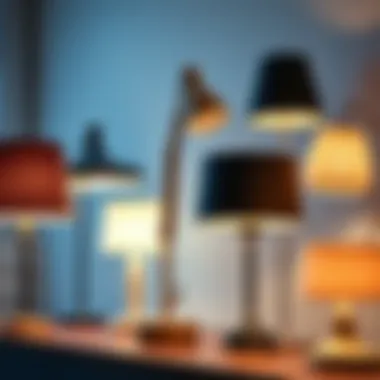
The beauty of these lamps is that they can accommodate everything from a relaxed evening with a book to a vibrant home party. This versatility makes remote-controlled lamps not just a lighting solution but a tool for designing the emotional response of the space.
"Integrating remote-controlled lamps into your home isn’t just about convenience; it’s about rethinking how we live with light."
To conclude, the advantages of remote-controlled lamps extend far beyond aesthetic appeal. Their convenience and accessibility serve a wide audience, while energy efficiency lays the groundwork for future-conscious living. Furthermore, these lamps’ capacity for customizable ambience guarantees that every individual can create their ideal atmosphere, reflecting personal preferences and needs.
Types of Remote-Controlled Lamps
The diversity found in remote-controlled lamps offers a suite of options for modern interiors. Each type serves unique functions, contributing to the adaptable ambiance of a space. Understanding the various categories allows homeowners and designers to make informed choices, enhancing both functionality and aesthetic appeal.
Table Lamps
Table lamps are probably the most versatile among remote-controlled lighting solutions. These lamps, typically placed on desks, nightstands, or side tables, can transform a room's mood with just a click of a button. They often come equipped with dimming features, allowing for varied brightness levels that can be adjusted to suit different activities, like reading or entertaining.
Moreover, table lamps can be true design statements. From sleek, minimalist designs to bold, artistic styles, these lamps cater to a wide array of interior decor. This means you don’t just get illumination; you also add a touch of artistry to your room.
An important consideration when selecting table lamps is size. You’ll want them to be proportionate to your furniture, ensuring they don’t overwhelm or underwhelm your space. In essence, these lamps meld practicality with visual appeal.
Floor Lamps
When it comes to ambient lighting, floor lamps have carved their niche. These tall fixtures can stand alone in a corner or highlight particular areas within a room. The advantage of remote-controlled floor lamps is their ability to deliver light from various heights, making them ideal for illuminating bookshelves, art pieces, or cozy reading nooks.
With designs ranging from arc to tripod styles, floor lamps can suit any aesthetic—from contemporary to classic. Consider them as both lighting solutions and functional art. They often feature adjustable brightness and color temperature settings, allowing for a customizable experience that caters to your mood.
Tip: Placing a floor lamp near a seating area can foster warmth and coziness, turning an ordinary space into an inviting retreat.
Wall-mounted Lamps
Wall-mounted lamps might not be the first type people think of when discussing remote-controlled lighting, but they have unique benefits. Perfect for smaller spaces or areas where floor or table space is at a premium, these lamps can add flair without cluttering the area.
Remote controls for wall-mounted lamps ensure easy access to lighting changes. This is especially useful in bedrooms or hallways where switches may be inconveniently placed. Many wall-mounted options are designed with flexibility in mind, allowing for directional lighting to focus on specific areas.
In terms of design, wall-mounted lamps range from minimalist scones to elaborate fixtures that can anchor a room’s decor. Therefore, while practical, they also play an essential role in enhancing a room's style.
Smart LED Light Strips
A fixture on the rise in modern home decor, smart LED light strips offer unprecedented versatility. They can be placed almost anywhere: under cabinets, around ceilings, or integrated into furniture. Their dynamic nature allows them to change colors and tones to suit various moods or occasions.
They can be operated via remote control, but many also integrate seamlessly with smart home systems. This means you can adjust colors or brightness directly from your smartphone or through voice commands. For example, you can set the lights to a warm glow for movie night and a vibrant hue for a party—without ever leaving the couch.
Moreover, the energy efficiency of LED technology means you can enjoy these creative lighting solutions without breaking the bank in electricity costs.
Investing in smart LED light strips brings not just style but also functionality to your space, showcasing how technology can enhance everyday living.
As you explore the types of remote-controlled lamps, keep in mind that the ultimate choice hinges on your lifestyle, preferences, and space constraints. Each lamp variety has its strengths, making them suitable for different scenarios and environments.
Key Features to Consider
When it comes to selecting remote-controlled lamps, there are a few key features you should keep in mind to ensure you make the right choice for your space. These features not only enhance the functionality of the lamps but also cater to modern needs that prioritize convenience, energy efficiency, and integration with existing systems. Below, we’ll dive into the essential aspects to consider when evaluating your options.
Range of Remote Control
Understanding the orare of your remote control is crucial. You don’t want to find yourself getting out of your chair just to adjust the lamp that’s out of reach. Most remote-controlled lamps have a specific range, often varying between 30 to 50 feet, depending on the model. In larger rooms, or if your lamp is positioned in a corner or behind furniture, a longer range can make all the difference. Additionally, some systems offer multi-lamp control capabilities, allowing you to manage several lamps from a single remote, perfect for illuminating larger spaces effectively.
Dimming Capabilities
It’s no secret that lighting greatly impacts the atmosphere of a room. Lamps with dimming capabilities provide flexibility, allowing you to adjust the brightness according to the time of day or the mood you want to create. Look for lamps that offer a smooth dimming range versus simple on/off switches. This feature not only enhances aesthetic appeal but can also contribute to energy savings. For example, running a lamp at a lower brightness can extend bulb life and reduce electricity consumption.
Color Temperature Options
The color temperature of a lamp can significantly influence the ambience of a room. Ranging from a warm yellow (about 2700K) to a bright daylight (around 5000K), understanding these options will help you tailor the lighting to your needs. If you’re working long hours at home, a cooler color might help you feel alert. Conversely, for a cozy evening, a warmer hue can create a calming atmosphere. Having adjustable color temperature in your remote-controlled lamp can give you better control over your environment and enhance your overall living experience.
Integration with Smart Home Systems
As homes become increasingly integrated with smart technology, the ability for your lamp to sync with a smart home system is a significant advantage. Look for lamps that can easily connect with popular platforms like Google Home, Amazon Alexa, or Apple HomeKit. This connection enables you to control your lighting through voice commands or even set it to follow a schedule. Imagine walking into a room and saying, "Turn on the living room lamp," and having it spring to life without lifting a finger. This level of convenience not only elevates your daily routine but can also improve energy management within your home.
"Choosing a lamp with robust integration features allows for seamless blending into modern living spaces. It's not just about lighting; it's about enhancing everyday life."
Installation Guidelines for Remote-Controlled Lamps
Setting up remote-controlled lamps in your living space is not just a matter of plugging them in and calling it a day. Proper installation is crucial to ensure they function effectively, enhance your environment, and provide the intended convenience. Going beyond installation, it influences user experience and safety while maximizing the aesthetic appeal of your home. In this section, we will break down the necessary steps and considerations, guiding you through the entire process.
Basic Setup Requirements
Before starting the installation process, it's essential to gather the necessary tools and materials. Here's what you'll typically need:
- Remote-controlled lamp
- Batteries for the remote (if required)
- Standard light bulb (if not pre-installed)
- Screwdriver (if assembly is needed)
- A clean surface to work on
- User manual for specific instructions
First, choose an appropriate location for the lamp. It should be easily accessible and not blocked by furniture or other obstacles. Once you have selected a spot, follow these steps:
- Assemble the lamp, if necessary, ensuring all parts fit securely together.
- Insert the light bulb, if your lamp requires one. Ensure it’s compatible with the lamp’s specifications, whether it’s LED, incandescent, or another type.
- Place the lamp on a stable surface to prevent it from tipping over.
Keeping these setup requirements in check ensures a smooth installation. Taking the time to set up your lamp correctly not only enhances functionality but significantly boosts your overall experience.
Safety Precautions
When dealing with any electrical devices, safety should always reign supreme. There are several precautions to bear in mind when installing and using remote-controlled lamps:
- Always turn off the power at the outlet before beginning any setup.
- Check for any visible damage on the lamp, cord, or outlet. If something doesn’t look right, do not proceed with installation until it’s addressed.
- Follow the manufacturer's guidelines provided in the user manual to avoid voiding warranties and ensure safety.
- Use the lamp in dry locations only to prevent electrical hazards.
Implementing these safety measures will keep you out of heavy water and ensure your remote-controlled lamp works perfectly and safely from day one. Remember, it's far better to be safe than sorry.
Connecting to Power Sources
Connecting your remote-controlled lamp to a power source is one of the most critical phases of installation. Proper connection ensures that your lamp operates effectively:
- Locate an appropriate power outlet that’s accessible to your lamp’s plug. Ideally, it should be within reach without straining the cord.
- Plug the lamp into the outlet gently. Make sure the cord is not excessively stretched or pinched, as this may lead to wear and tear over time.
- If the lamp has multiple settings, make each setting is functional by following the user manual to configure the remote control properly.
If your remote uses batteries, ensure they are installed as per the instructions provided. Regularly check and replace batteries as needed to avoid interruptions.
By following these connection guidelines, you not only enhance the functionality of your lamp but also support a seamless integration into your smart home ecosystem.
"A well-installed lamp does not just light up a room; it transforms the space, providing comfort and style."
Maintenance and Care Tips
Keeping your remote-controlled lamps in good working order requires a bit more attention than standard lighting fixtures. These lamps are often integrated with advanced technology that not only enhances usability but also makes maintenance crucial for longevity and performance. Regular maintenance ensures seamless operation and can significantly prolong the life of your lamp, transforming it from a mere lighting source into an integral part of your home environment. A well-maintained lamp will not just serve its function but will also seamlessly blend in with your decor and continue to impress.
Cleaning Recommendations
When it comes to cleaning remote-controlled lamps, it’s essential to approach the task with care to avoid damaging sensitive components. Here are some practical suggestions:
- Dust Regularly: Use a soft, dry cloth or a microfiber duster to wipe down the surface of the lamp and the remote control. Removing dust and dirt will help maintain aesthetic appeal and keep the mechanisms functioning properly.
- Avoid Liquid: Try not to use wet cloths or cleaning solutions directly on the lamp. If needed, lightly dampen a cloth and ensure it does not come in contact with electrical components. This applies to the remote control as well.
- Polish with Caution: For lamps made from materials like brass or copper, a gentle polish might be necessary. However, always check the manufacturer's recommendations before applying any polish, as certain materials can be sensitive.
- Check Bulbs: Sometimes dirt builds up on light bulbs themselves, reducing brightness. Remove bulbs periodically—after ensuring they are cool—and gently wipe them clean.
By incorporating these easy cleaning practices into your routine, you can keep your remote-controlled lamps looking their best while making sure they function at peak performance.
Battery Management for Remotes
The remote control is the unsung hero of your lamp’s functionality. Proper battery management will ensure that this little device always works when you need it:
- Choose the Right Batteries: Always opt for high-quality batteries to avoid leakage and corrosion. Cheap batteries might save you a quick buck but can lead to more significant issues down the line.
- Remove Batteries When Not in Use: If you won’t be using the lamp for an extended period, consider removing the batteries from the remote. It's a straightforward trick that can save you from battery leaks that damage the remote and your lamp.
- Keep Spare Batteries Handy: Familiarize yourself with the battery type your remote uses, and keep a pack on hand. Nothing is more frustrating than a dead remote when you’re cozy on your couch after a long day.
- Regularly Monitor Battery Life: Some remotes come with battery level indicators. If yours has this feature, keep an eye on it. For those without, consider marking the date when you last replaced the batteries. A bit of foresight can save you from unexpected darkness.
By following these tips for cleaning and battery management, you’ll not only maintain the operational integrity of your lamps but also elevate your home lighting experience. Good maintenance is like a stitch in time that really does save nine.
Comparative Analysis: Remote-Controlled vs. Traditional Lamps
In any conversation about lighting solutions, the comparison between remote-controlled lamps and traditional lamps emerges as a pivotal topic. This exploration sheds light on their distinct features, usability, and overall impact on lifestyle choices, making it essential for anyone looking to optimize their home environment. Each category offers unique advantages, and understanding these nuances can guide individuals to smarter choices in illumination.

Functionality and Usability
When considering functionality, remote-controlled lamps often outshine their traditional counterparts. The convenience introduced by the ability to control lighting from a distance cannot be overstated. Picture this: you’re nestled comfortably on your couch, and with just a flick of a finger, you can adjust the brightness or switch the lamp on or off without having to rise. This feature is especially useful in larger spaces where traversing from one end to the other can be a hassle. In an era where multitasking and ease of use reign supreme, it’s clear why many lean towards remote options.
Furthermore, remote-controlled lamps often integrate with smart home systems, allowing for automated lighting schedules or voice commands. This level of customization and interaction adds a rich layer to user experience. Traditional lamps, while often simpler in design, lack this sophisticated touch, requiring manual adjustments that can sometimes feel like a chore. Even so, some might argue that traditional lamps offer a tangible connection to light sources, making them more straightforward and reliable in certain situations.
Cost Considerations
Cost is often a decisive factor when deciding between remote-controlled and traditional lamps. Generally speaking, remote-controlled lamps may carry a higher initial price tag due to their advanced technology and features. Yet, this upfront investment could lead to savings down the road, particularly in energy efficiency. Many of these lamps now feature LED technology, which can significantly decrease electricity bills over time.
On the flip side, traditional lamps can be more budget-friendly at first. However, their energy efficiency is often lower, and they may require more frequent bulb replacements.
Ultimately, the choice hinges on one’s perspective on value. Is the convenience and potential energy savings of remote-controlled lamps worth the extra initial cost? Or is a straightforward, less pricey traditional lamp the preferred route? It boils down to personal priorities—investing in modern ease or sticking with reliable simplicity.
Design Versatility
Design versatility is where the battle becomes interesting. Remote-controlled lamps are often crafted with contemporary aesthetics in mind, offering sleek designs that can complement modern décor styles. They come in various shapes, sizes, and finishes, catering to a wide variety of tastes and interior themes. This flexibility can help in creating specific moods or atmospheres in a home.
Conversely, traditional lamps can boast timeless designs that hold an appeal for those who favor vintage or classic styles. These lamps can carry a certain charm and serve as statement pieces, sometimes becoming important fixtures in a room. However, the availability of variations may not compare to the vast array of options offered by their remote counterparts.
In summary, while remote-controlled lamps may provide modern design elements and personalization, traditional lamps hold their ground with classic appeal and simplicity. As with other facets of lighting, the preference ultimately lies with the individual and the specific ambiance they aim to create.
Key Takeaway: Understanding both types of lights is crucial for making informed lighting choices in any space, blending functionality, cost, and design in a way that aligns with personal needs.
Future Trends in Lighting Technology
The evolution of lighting technology is not just a trend; it's a revolution reshaping our perceptions of home and workspace illumination. As we step into an increasingly digital age, understanding the direction this technology is heading becomes pivotal for designers and homeowners alike. With lighting playing a crucial role in enhancing both aesthetics and functionality, it is essential to explore the future trends that hold the potential to redefine how we experience light in our living spaces.
Advancements in Smart Tech
The advancements in smart technology are nothing short of remarkable. Once simple light fixtures have transformed into sophisticated systems capable of being controlled remotely with ease. For instance, the integration of voice-activated assistants like Amazon's Alexa or Google Home allows users to dim, brighten, or change colors without lifting a finger.
Key factors to consider include:
- Interoperability: Modern remote-controlled lamps often support multiple smart home ecosystems, enabling seamless integration with existing smart home devices.
- Mobile Applications: Many manufacturers offer applications that let users program their lighting according to specific routines or moods, thus enhancing the overall living experience.
- Machine Learning: Some smart lamps are equipped with algorithms that learn user preferences over time. This technology allows the lamp to adjust automatically based on historical usage patterns.
"The future of lighting technology isn’t just about illumination; it’s about creating a living experience that intuitively meets your needs.”
These innovations not only provide convenience but also align with the modern lifestyle where hands-free operation and personalization are of utmost importance.
Sustainable Lighting Solutions
Sustainability in lighting is another focal point when discussing future trends. With a global push towards energy conservation and reducing carbon footprints, the move to sustainable lighting solutions is gaining momentum. Remote-controlled lamps are increasingly being designed with energy-efficient features that can substantially lower energy consumption.
Prominent sustainable trends include:
- Utilizing LEDs: These light sources consume significantly less energy compared to traditional bulbs and have a longer lifespan, making them an eco-friendly option.
- Smart Sensors: Incorporating sensors that adjust the light based on natural daylight levels or room occupancy can further minimize energy use.
- Solar-Powered Options: For outdoor lamps, solar-powered technology is becoming more prevalent, allowing lights to function efficiently without grid dependence, thereby embracing sustainability.
- Recycled Materials: Manufacturers are increasingly focusing on designing lamps from recycled materials, minimizing waste, and promoting an environmentally friendly production process.
The End: Embracing Remote Control in Lighting
The realm of remote-controlled lamps signifies more than just a trend; it represents a significant shift in how we think about lighting in our homes. As modern living demands more from every inch of our space, the convenience, efficiency, and versatility of remote control lamps cannot be overstated. They cater directly to the needs of today’s busy lifestyles, offering instant adjustments to brightness and ambiance tailored to one’s mood or activity with just the push of a button.
Summing Up the Benefits
The advantages of remote-controlled lamps are manifold:
- Convenience: No more getting up to flip a switch. One can simply adjust light levels or color while settling in on the sofa or even from the comfort of bed.
- Energy Efficiency: Many models come with energy-saving capabilities such as timers and dimming functions that help reduce electricity consumption. This aspect not only benefits the environment but can lead to noticeable savings on energy bills over time.
- Enhanced Ambiance: With the ability to change colors and adjust brightness, remote-controlled lamps can transform a space entirely. From creating a cozy atmosphere for a movie night to brightening up a workspace, the customizable options are extensive.
Furthermore, as these lamps become integral to smart home systems, their prospective benefits are likely to grow. From automatic adjustments based on the time of day to integration with other smart technologies, possibilities are vast.
Final Thoughts on Smart Lighting
As technology continues to evolve, the landscape of interior lighting will undoubtedly change. Remote-controlled lamps are at the forefront of this transformation, reflecting broader trends in smart technology adoption in our homes. For decorators, interior designers, and homeowners alike, embracing remote control lamps is an investment not only in convenience but also in the future of home aesthetics.
The push towards smarter lighting solutions implies greater control over our environments, fostering spaces that are not only functional but also inspirational. As we adopt these innovations, we also consider the importance of sustainable practices in lighting. Choosing energy-efficient solutions aligns with contemporary values of mindfulness about our ecological footprint.
"The true potential of remote-controlled lamps lies not just in their functionality but in how they redefine our relationship with light in our daily lives."
For more comprehensive insights into the future of lighting technology, feel free to check resources like Wikipedia, and for shared discussions, the insight from Reddit might also provide valuable perspectives.