Patio Porch Flooring Ideas to Enhance Outdoor Living
Intro
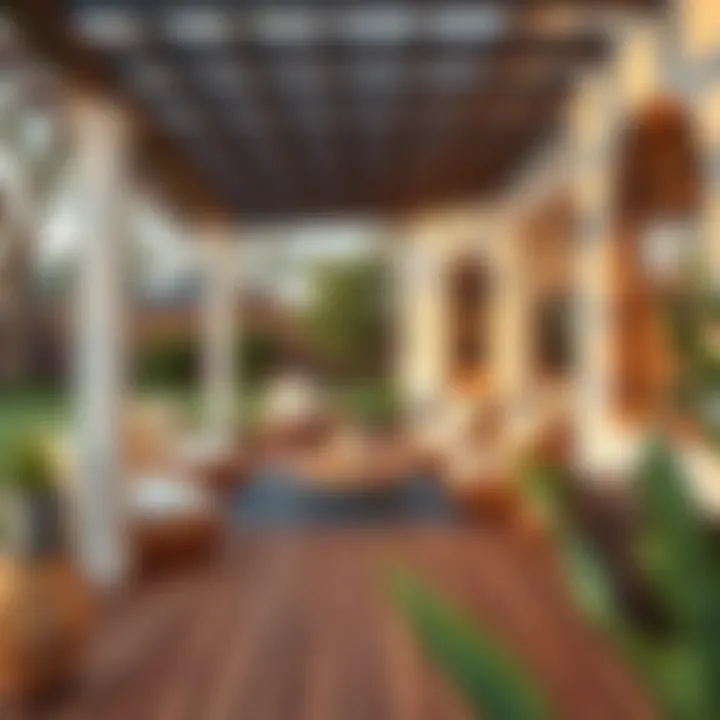
Creating a unique outdoor space can transform a home and provide a sanctuary from the bustling world outside. This article digs into patio and porch flooring options that can significantly enhance your outdoor living experience. As urban areas become increasingly compact, having a well-thought-out outdoor space is not just a luxury; it's a necessity. Flooring serves as the backbone of this experience, impacting aesthetics, usability, and overall comfort.
From the vibrant urban skyline to cozy suburban nooks, the right flooring can stitch together various elements of nature and design, creating a harmonious outdoor environment that reflects personal style and functionality. By investigating different materials and their applications, we aim to guide you in crafting outdoor spaces that not only stand out but also last.
Design Inspiration
When it comes to flooring, the design possibilities are as vast as the skies above. Flooring dictates the feel of a space. Here's how to leverage design elements effectively.
Creative Seating Arrangements
Consider how the flooring influences seating. For example, wooden decking can invite casual seating like outdoor bean bags or lounge chairs, creating a relaxed atmosphere. However, with a more ceramic tile installation, you might lean towards more structured seating options like wrought iron chairs and tables for a more formal arrangement.
In regions with vibrant culture, mixing materials can produce stunning contrasts. A combination of painted concrete and natural stone may reflect local tradition while catering to modern tastes. Potential seating arrangements can include:
- Circular setups for intimate gatherings.
- Long benches for communal settings.
- Cozy nooks with pillows and throws.
Color Schemes for Urban Spaces
Besides the materials themselves, color plays a critical role in design. Neutral tones can expand the sense of space, making cramped urban patios feel larger. In contrast, bold colors can add a sense of liveliness. Imagine laying rich emerald-green tiles that reflect nature against a backdrop of urban concrete. It's the perfect marriage of sustainability and style.
A few considerations for color schemes:
- Monochromatic: Using different shades of a single color for a cohesive look.
- Complementary: Pairing colors on opposite sides of the color wheel creates striking effects.
- Analogous: Combining colors adjacent on the wheel for harmonious transition.
Practical Guides
Design is only half the battle; practicality ensures your vision lasts. Here are some important practical considerations for flooring.
Selecting the Right Materials
Your choice of material should balance aesthetics, durability, and maintenance. Concrete, for instance, offers a modern look and is incredibly durable, but may require sealing to prevent staining. On the flip side, composite decking mimics wood while resisting rot and fading.
A brief overview of popular materials includes:
- Wood: Classic and warm, but prone to weathering.
- Composite: Low maintenance and eco-friendly, with various finishes.
- Bricks: Timeless and sturdy, offering great natural drainage.
Care and Maintenance Tips
Each material has its own maintenance needs. For example, wood requires regular sealing and cleaning, while tiles may only need occasional scrubbing. An effective maintenance strategy ensures longevity.
- Regularly check for cracks or unevenness in surfaces.
- Sweep debris frequently to prevent staining.
- Use appropriate cleaners specific to your flooring material.
A well-chosen flooring option not only enhances the aesthetic but also supports the overall function of your outdoor space, allowing you to enjoy it for years to come.
Intro to Patio and Porch Flooring
When tackling the task of creating pleasant outdoor spaces, the choice of flooring plays a pivotal role. You can have comfy furniture and beautiful plants, but without the right flooring, the overall aesthetics can fall flat. Flooring is not just about looks; it's fundamental in setting the mood, ensuring comfort, and providing safety for all who gather. Understanding what suits your space best is consequential. It does not just influence how the area feels; it impacts usage and functionality as well.
Understanding the Importance of Flooring
The flooring serves as the foundation of your outdoor experience. Well-selected materials can define how you interact with your patio or porch. Beyond aesthetics, the right flooring withstands weather elements, provides safety, and enhances durability. For instance, materials designed to handle moisture and temperature fluctuations ensure a safe environment. It can mean the difference between a cozy gathering spot and a slippery disaster when the weather turns inclement.
When you delve into the considerations of outdoor flooring, you're looking at more than mere practicality. The texture underfoot can shape one’s perception—soft or hard surfaces can change how relaxing an environment feels. You want a surface you can walk on barefoot in the summer without cringing from the heat. Ultimately, this decision ties back to how these factors form a cohesive outdoor setting that resonates with your lifestyle.
Defining the Boundaries: Patios vs. Porches
While patios and porches often serve similar functions in outdoor living, they are distinct in both purpose and design. A patio generally refers to a paved outdoor space—often found at ground level—that serves as a gathering spot for socializing or cooking outdoors. In contrast, a porch is usually covered and often attached to a home; it serves as a transitional space between indoor and outdoor environments.
Recognizing these differences is key when choosing flooring options. For instance, a patio might benefit from stone pavers or stamped concrete designed for heavy use, while a porch might use wood or composite decking that matches the facade of the home. This distinction also leads to different considerations regarding flooring durability and weather resistance.
Whether you're looking to create an inviting atmosphere for family gatherings or a serene retreat, knowing the inherent differences between these areas allows for thoughtful planning. Understanding whether you're dealing with a patio or a porch will help ensure the flooring complements the overall purpose and design aesthetic of your outdoor area.
"Your outdoor space's flooring isn’t simply a surface; it’s an invitation to enjoy life outside. Choose wisely."
Material Options for Outdoor Flooring
When it comes to giving your patio or porch a makeover, the flooring material plays a pivotal role. Selecting the right type can impact not only the overall aesthetic but also the functionality and durability of the space. With varied choices available, understanding the features and benefits of each material is essential for making an informed decision that aligns with your personal style and requirements.
Wooden Flooring: Classic Appeal
Types of Wood Suitable for Outdoors
Wooden flooring has been a favorite for outdoor spaces for generations, and for good reason. The warm tones and natural appeal of wood create a welcoming atmosphere. Among the types of wood suitable for outdoor use, teak, cedar, and redwood are often celebrated for their resistance to moisture and pests. These woods provide a stunning visual that can make even the simplest patio feel elegant.
A key characteristic of these woods is their natural oils that act as a barrier against weather elements, making them a popular choice for homeowners looking to combine beauty with resilience. Yet, while wood looks great, it demands attention; it can warp or splinter over time if neglected. Choosing a quality type of wood is crucial because it can influence the lifespan and maintenance requirements of your flooring.
Maintenance and Longevity
The longevity of wooden flooring hinges on proper maintenance. A well-cared-for wood surface can last many years, making it a worthwhile investment. Regular sealing and staining can help fend off the elements, helping to retain its color and integrity.
The unique characteristic about wooden floors is that they can be refinished rather than replaced entirely when signs of wear show up. However, this kind of upkeep does mean commitment: you need to factor in the time and effort necessary to keep wooden floors looking pristine.
Composite Decking: The Modern Solution
Benefits of Composite Materials
Composite decking has gained traction over the last few decades for its sustainability and low maintenance needs. Made from a blend of wood fibers and recycled plastics, composite materials offer a robust solution that resists fading, splintering, and moisture damage. This material is often regarded as a win-win, providing the aesthetics of traditional wood without the extensive upkeep.
What stands out about these composites is that they come in a range of colors and finishes, allowing homeowners to customize their outdoor areas significantly. While initial costs can be higher than natural wood, the need for less maintenance often balances out the investment over time.
Color and Texture Variations
The variety of color and texture that composite materials offer is another selling point. Homeowners can choose from sexy greys to rich browns, and embossed designs that mimic the look of natural wood grains. This versatility makes composite decking a fitting choice for many stylistic preferences and outdoor themes. However, it’s worth noting that not all composites are created equal, and durability can vary by brand.
Tile Flooring: Versatile and Stylish
Types of Outdoor Tiles
Tiles provide an abundance of choices in outdoor flooring. Porcelain, ceramic, and stone tiles can all be used, each bringing their own flair and resilience to outdoor settings. Porcelain tiles, particularly, are often praised for their toughness and low water absorption rate, which helps them hold up against varying weather conditions.
The key characteristic of outdoor tile is its ability to endure heavy foot traffic while remaining aesthetically pleasing. Homeowners can opt for bold patterns or subtle hues, turning their patios into statement areas.
Installation Considerations
Installing tiles isn't necessarily a walk in the park, however. Proper groundwork is critical to ensuring a level surface that can withstand the elements. While DIY enthusiasts may take on this task, professional installation can save headaches down the line by ensuring everything is laid out precisely and correctly. Choosing the right adhesive and grout for outdoor tiles can make a significant difference in performance and longevity.
Concrete: A Robust Choice
Finishing Techniques
Concrete has come a long way from being seen as plain and industrial. In recent times, decorative techniques such as stamping, stenciling, and polishing have elevated concrete's appeal for outdoor spaces. These finishing techniques can replicate the look of natural stones or more elaborate patterns, giving homeowners tons of options to enhance their aesthetics.
The unique advantage of concrete is its strength. Once properly sealed, it can withstand everything from heavy rains to intense sunlight without significant wear. However, some might find that during extremely sunny days, concrete surfaces can become unbearably hot underfoot.
Staining and Coloring Options
Staining concrete allows for a myriad of shades to complement landscaping and home exteriors. Whether it be a soft earth tone or a bold splash of color, stained concrete can add personality to the otherwise stark surface. Its versatility in coloration is one of its major perks, offering options that range from subtle to vibrant.
However, it is essential to understand that staining requires a professional touch to ensure an even, attractive finish, which can incurr additional costs.
Stone Pavers: Natural Elegance
Types of Stone for Patios
Natural stone pavers like slate, bluestone, and travertine bring an air of sophistication that’s hard to match. These types of stone provide a timeless, organic look that blends seamlessly with nature, making them a preferred choice for luxury outdoor spaces. Their durability and unique variations in color and texture create a one-of-a-kind appearance that can enhance the visual appeal of any area.
The prime feature of stone pavers is that they are often more weather-resistant and require less maintenance than wood, making them a practical yet beautiful option.
Installation and Grouting
While stone pavers are generally easier to install than many other materials, proper grouting should not be overlooked. This process not only secures the pavers in place but also prevents the growth of weeds between stones and minimizes the risk of water pooling. Selecting the right grout—be it sanded or ungrouted—depends on the specific application and conditions of the area. However, unlike some other materials, stones require a bit more labor upfront for installation, but the result can be absolutely stunning.
Design Elements to Consider
Designing outdoor spaces like patios and porches encompasses more than merely picking out materials; it also involves thoughtful consideration of various design elements that collectively shape the environment. These elements significantly impact aesthetics, comfort, and functionality. Understanding how colors, textures, and landscaping integrate with flooring options can greatly enhance the appeal and enjoyment of outdoor areas.
Color Schemes and Patterns
Color schemes and patterns are crucial in setting the mood of a patio or porch. They create cohesion and stimulate the senses, offering a backdrop that complements outdoor living experiences.
Creating Cohesion with Surroundings
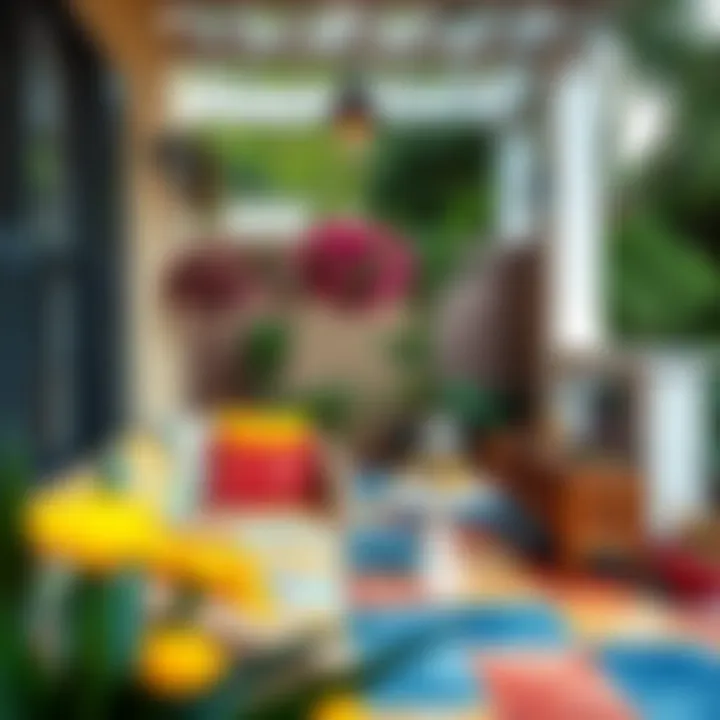
Creating cohesion with surroundings is all about unifying the outdoor area with nearby landscapes and architecture. It’s vital that colors chosen for the flooring harmonize with the plants, furniture, and even the home’s façade. Popular choices often lean towards earth tones—think browns, greens, and grays—because they naturally blend with nature. This not only makes the space visually appealing but also calming. A color palette that mirrors the hues found in the immediate environment promotes a seamless transition from home to garden.
However, while earthy shades are popular, one must tread lightly here; too much uniformity might lead to a bland appearance. Adding some vibrant accents, maybe through tiles or decorative elements, can enliven the look without overwhelming it.
Patterns for Visual Interest
Utilizing patterns in the flooring can vastly elevate the visual intrigue of an outdoor space. Geometric designs or mosaic tile arrangements can create focal points and invite exploration. The key here is balance; too busy of a pattern might clash with furniture or landscaping elements, while a simple design can provide a pleasing contrast.
One trending option is chevron-patterned tiles, which infuse energy into the space. This style draws the eye and can make a smaller area perceive larger. However, careful consideration is needed for maintenance, as intricate designs may require more upkeep to keep them looking sharp.
Texture and Feel Underfoot
The texture provides a sensory experience that plays a big role in how one interacts with a patio. It impacts not only how people walk on it but also affects safety, style, and even warmth underfoot.
Soft vs. Hard Surface Choices
When deciding between soft and hard surface choices, the primary factor to consider is the intended use of the space. Soft surfaces, like outdoor rugs or certain composite materials, offer comfort, making them great for lounging areas. They provide a cozy feeling and can be easier on the feet, especially in warmer months.
On the other hand, hard surfaces like stone or concrete offer durability and a sturdiness that can withstand heavy foot traffic. However, they may not provide the same level of warmth or comfort. This trade-off between comfort and durability must be weighed based on lifestyle needs and the primary function of the space.
Impact on Comfort
The impact of flooring on comfort cannot be overstated. A patio that feels great underfoot invites more gatherings and prolongs the time spent outdoors. For instance, wooden decking can feel warm and welcoming, encouraging bare feet to roam freely.
Alternatively, some might find cooler materials like stone or tile less inviting, especially in chillier climates. Integrating heated flooring options could be one way to mitigate this if one opts for these materials. The overall comfort level of a patio can significantly influence its usage patterns, dictating whether it serves as a daily retreat or just an occasional escape.
Integration with Landscaping
Integrating patio flooring with landscaping is key to creating harmonious outdoor spaces. A well-thought-out design bridges the indoor and outdoor spaces and creates a natural flow.
Bridging Indoor and Outdoor Spaces
Bridging indoor and outdoor spaces means merging the feel of the home with the garden or patio environment. This can be achieved by using similar materials inside and out, or by choosing flooring that transitions seamlessly, like large sliding doors leading into tiled patio spaces. This method provides a visual cue that blurs boundaries, making the area feel more extensive and inviting.
When considering this approach, opt for materials that withstand weather changes while matching indoor aesthetics. For example, the glossy finish of indoor tiles can be mirrored outdoors to offer continuity, but care should be taken to ensure they aren't slippery when wet.
Floral and Greenery Considerations
Floral and greenery considerations play an important role in the overall design of outdoor floors. The right selection of plants around a space can enhance or detract from the flooring. Choosing landscaping that complements the floor's color and style creates a symbiotic relationship. For instance, vibrant flowers bordering neutral-colored stones can draw the eyes and bring life to the patio.
However, it’s essential to maintain a balance. Too much greenery can overshadow the beauty of the flooring and lead to a chaotic feel. Strategic placement of pots or planters can help direct the eye and break up any potential overwhelming visuals.
Practical Considerations for Outdoor Flooring
When it comes to enhancing your outdoor living spaces, thinking about flooring is paramount. The choice of materials and designs can make a huge difference, not just to aesthetics, but to how practical and user-friendly the space is. In this section, we will explore important elements like weather resilience, safety concerns, and cost considerations. These factors guide decisions, ensuring that your patio or porch flooring provides long-lasting enjoyment.
Weather Resistance and Durability
Choosing the right material means taking into account how it will stand up to the elements.
Selecting Materials for Climate
When you select flooring materials, understanding your climate is essential. For instance, if you live in a humid area, wood flooring may warp unless treated properly. Meanwhile, tile offers a great choice for wet conditions as it’s naturally water-resistant. So, considering local weather patterns is a wise approach in ensuring your investment stands the test of time.
A key feature of properly chosen materials is their ability to endure shifts in temperature and moisture levels. This is really what makes certain materials more popular; they don’t succumb easily to wear and tear. For example, composite decking is known for being resilient in fluctuating temperatures while requiring less maintenance compared to wooden options. However, bear in mind that while these materials can be a little pricier upfront, their longevity often justifies the investment over time.
Impact of Sun and Rain Exposure
Another key aspect to factor in is how your flooring will react to sun and rain. Sunlight can cause colors to fade over time, especially in darker materials, while consistent rain might contribute to growth of mold or mildew in certain surfaces.
For instance, tiles with a matte finish can be beneficial as they often resist fading and are less slippery when wet, while shinier surfaces might require more attention to avoid accidents. Choosing the right surface finish can enhance safety without sacrificing style. A common feature is the option for UV-resistant coatings that can help maintain color integrity. In contrast, while untreated wood may be attractive, it usually needs sealing and regular maintenance to prevent damage from both sun and rain.
Safety Considerations
Safety should not be overlooked when opting for flooring. Whether it's the kids playing outside or elderly relatives visiting, a safe floor is non-negotiable.
Non-slip Options
A floor can look fabulous, but if it’s slicker than a greased pig, that won’t do anyone any favors. Selecting non-slip options is critical in any outdoor area exposed to moisture, whether from rain or spills. Products available may include textured tiles or certain composite materials that offer a non-slip surface.
The standout characteristic here is the peace of mind that comes with assured safety. For instance, many brands of outdoor tiles now come with a slip-resistance classification, which is helpful in determining the safest materials for your space. The only downside might be the potential rise in costs for these specialized options, but safety is worth its weight in gold.
Preventing Trip Hazards
Uneven surfaces can be an accident waiting to happen. Flooring should be installed correctly and maintained properly to prevent trip hazards. For instance, carefully considering transitions between different floor types or ensuring that paver stones are laid flat can significantly reduce the risk of trips and falls.
Another noteworthy feature involves the installation of thresholds or edging where different materials meet. This not only tidies up the appearance of the flooring but also creates a smoother transition that minimizes hazards. While the addition of some edging solutions can incrementally increase your costs, the potential for avoiding accidents makes it a wise investment for peace of mind and protection.
Cost and Budget Planning
Ultimately, the cost will likely weigh heavily in the decision-making process.
Comparative Costs of Materials
The cost of materials can vary like day and night, from affordable concrete to luxury stone pavers. Knowing how to compare these materials will help you keep the budget in check while finding what suits your needs.
For example, while natural stone may present a premium upfront cost, their longevity and striking appearance can yield higher returns in aesthetic value down the line. On the flip side, while vinyl decks may be lower on the cost ladder, they could require more repairs in the long run. Take time to assess not only the upfront prices but also potential long-term maintenance costs.
Long-term Value Assessment
In considering long-term value, it’s crucial to think about not just the initial investment but what it could mean for resale value. At the end of the day, a well-chosen floor can increase the appeal of your home if you ever decide to sell. A unique feature in this evaluation is the overall lifecycle cost versus longevity. Some cheaper materials may need replacing in few years, while more expensive options could last decades. Understanding this could steer you to a more sustainable choice. In the end, balancing upfront costs with long-term benefits forms the backbone of wise patio or porch flooring decisions.
Maintenance and Care for Outdoor Floors
Proper maintenance and care for outdoor floors is key to ensuring their longevity and appearance in any outdoor setting. Over time, exposure to various weather elements and foot traffic can take a toll on flooring materials. Regular upkeep helps prevent damage and retains the aesthetic appeal of your patio or porch. From ensuring cleanliness to protecting materials from the changing seasons, a sound maintenance routine lays the groundwork for an inviting outdoor space.
Cleaning Techniques for Different Materials
Best Practices for Wood and Composite
Wood and composite materials, while visually appealing and popular, require a tailored cleaning approach to maintain their finish and durability. One significant aspect lies in the prevention of mildew and mold growth, which can tarnish the beauty of the surface.
For wood, start by sweeping away any debris and using a gentle detergent mixed with water for cleaning. Avoid high-pressure washers as they can damage the wood grain. Instead, a soft-bristle brush works wonders to scrub surfaces without harming them. Regular application of a wood preservative can add an extra layer of protection against decay.
Composite materials, however, are designed to resist staining. Cleaning them often involves simply rinsing with water or using a mild soap solution. It's crucial to avoid abrasive cleaners as they can scratch the surface. The best characteristic of using composite materials is their low maintenance. With no need for regular sealing or repainting, they save time most homeowners appreciate.
Caring for Tiles and Stones
Tiles and natural stones bring a unique elegance to outdoor spaces, but they require attention to detail in care. A key feature of tiles is their wide variety of finishes, which necessitates different cleaning techniques based on the material—ceramic, porcelain, or natural stone like travertine.
Begin with a simple sweep or vacuum to clear loose dirt. For ceramic and porcelain tiles, using a pH-neutral cleaner is best to avoid dulling the surface. However, natural stones, such as marble or granite, often need specific stone cleaners to maintain their sheen and structural integrity.
A unique aspect of tiles and stones is their susceptibility to moss and algae, especially in damp environments. Regular scrubbing with a non-abrasive brush and appropriate solutions can keep these surfaces looking pristine while ensuring safety underfoot.
Seasonal Maintenance Routines
Maintaining outdoor flooring isn’t a task reserved only for spring. Seasonal changes can wreak havoc on materials, thus highlighting the need for targeted maintenance throughout the year.
Preparing for Winter
Preparing your outdoor floors for winter is integral to preventing damage during the cold months. One major aspect is the removal of debris that can trap moisture, promoting mold and decay beneath the surface. If using wooden planks, applying a weather-resistant sealant before winter sets in can protect the wood from moisture and freezing conditions. This practice ensures your floor remains intact and extends its life through biting cold and heavy snows.
Additionally, utilizing mats or protective covers can help shield your floors from harsh weather. Being proactive leads to less time and expense in repairs come spring, making winter prep a worthwhile investment.
Spring Cleaning Essentials
With the arrival of spring comes the opportunity to rejuvenate your outdoor space. Spring cleaning involves a detailed inspection of your flooring. By checking for fading, cracks, or other damages, you can address issues before they escalate. This proactive strategy allows for easy interventions rather than costly repairs.
A thorough wash with appropriate cleaning solutions tailored for your specific materials is essential. After winter, residues can settle on surfaces, demanding extra attention. Don’t forget, applying new sealants or finishes on wood and composite floors is a smart move during this season. Fresh layers keep surfaces not just looking new, but also enhance their durability for the months ahead.
"Routine maintenance is not just about preserving beauty; it's about safeguarding your investment in outdoor living spaces."
Implementing these strategies ensures that your outdoor spaces remain inviting and functional for years to come. Not just for aesthetic appeal but as a means of prolonging the life of your flooring investments.
End: Choosing the Right Floor for Your Space
Selecting the appropriate flooring for your outdoor area plays a critical role in how you experience that space. It’s not just about the initial look; it’s about how well the flooring aligns with your lifestyle, environment, and future needs. When contemplating the choices, keep in mind that each material offers its own set of advantages and drawbacks. As you stand at the crossroads of design and functionality, understanding your unique needs is paramount.
Assessing Personal Needs and Preferences
Before diving headfirst into the world of flooring materials, take a moment to reflect on your personal choices and lifestyle. Do you often host gatherings? Maybe a more durable and resistant material would suit you best, like composite decking or tiles that can withstand spills and foot traffic. On the other hand, if serene evenings with a book in hand are your ideal pastime, perhaps a wooden floor with its natural warmth could be more inviting.
- Lifestyle Factors: Consider how frequently you’ll be using the space and what activities will take place. Kids running around and pets can elevate the need for a resilient, easy-to-clean surface.
- Aesthetic Preferences: Think about the style you want to achieve. Would you rather go for a rustic vibe, or are you more inclined towards a modern look? This thought process can significantly influence your flooring choice.
- Climate Considerations: The weather in your area should not be an afterthought. Some materials perform better in certain climates; for example, stone can handle heat and humidity well, while certain types of wood may warp in areas with frequent rain.
Ensuring that the flooring aligns with both your aesthetic aspirations and your practical needs can make a world of difference in your usage enjoyment.
Long-term Considerations for Outdoor Flooring
It is essential to view your flooring choice as a long-term investment. You'll find various factors at play that will impact which material you choose:
- Durability and Maintenance: Different materials possess different life spans. Composite decking can last longer than a traditional wooden deck but may require occasional upkeep to maintain its appearance and prevent fading. Understanding how much maintenance you’re willing to put in can help narrow down options.
- Weather Resistance: Look closely at how various materials hold up against elements such as excessive moisture, extreme heat, or chilly winters. Budgeting for more resilient flooring might save money in the long run.
- Cost Over Time: While some flooring options may appear cheaper upfront, consider the total cost of ownership over several years. For example, inexpensive tiles might crack easily if not installed properly, leading to recurring repairs.
Ultimately, a well-considered choice will not only enhance your outdoor space visually but also ensure functionality and sustainability over time.
"Your outdoor area is an extension of your home. Choosing the right flooring can make all the difference."
By keeping these factors at the forefront of your decision-making process, you are setting the stage for a space that not only meets your immediate requirements but also stands the test of time.