Front Door Sun Shades: Benefits and Design Insights
Intro
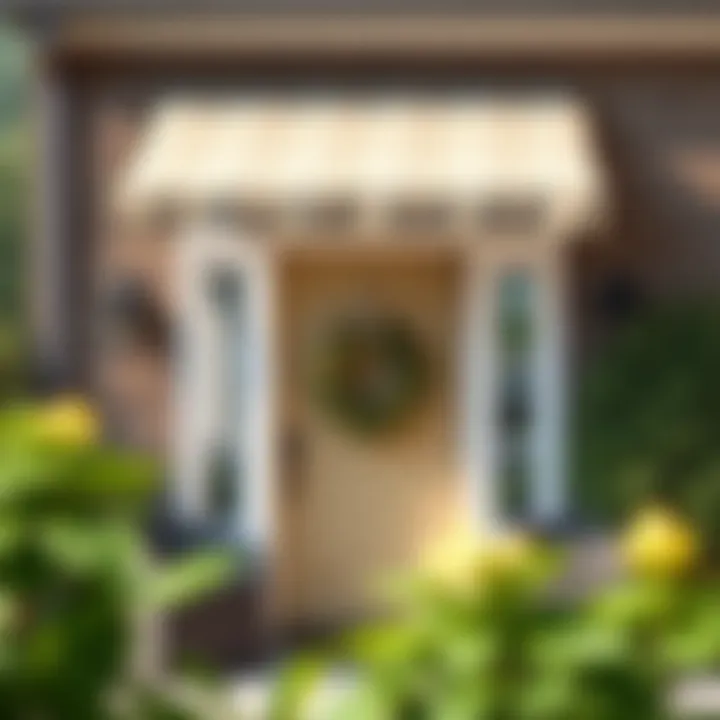
Front door sun shades serve a vital role in today’s urban living environments. As cities expand, the spaces for personal expression diminish, making it essential to utilize every element of your front entry. Sundry shades not only guard against the relentless sun but also add a flair of design and comfort to one’s home. This article will leave no stone unturned as it breaks down the multifaceted benefits of front door sun shades. From their role in enhancing functionality to elevating aesthetic charm, we’ll cover all the critical points that can enrich your front entrance experience.
Understanding how to strike the right balance between practicality and style is key for homeowners, decorators, and architects alike. After all, first impressions matter, and a beautifully shaded doorway can offer an inviting welcome while maintaining protection from the elements.
Design Inspiration
In the quest for functionality, let’s not overlook the beauty that a well-chosen sun shade can bring. Striking the perfect balance between form and function begins with inspiration—capturing the essence of what suits an individual or community's style.
Creative Seating Arrangements
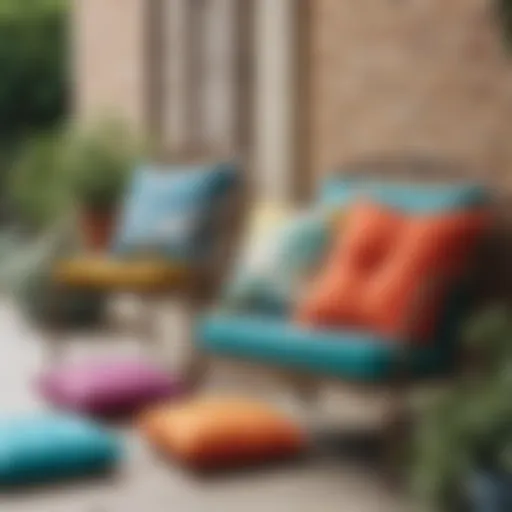
Consider enriching your entrance with some tastefully designed seating. A pair of elegant benches or stools set under your sun shade can create an idyllic nook for relaxation. Whether you envision an ultra-modern fiberglass bench or something rustic like reclaimed wood, the option is yours. Think of how these seating arrangements might enhance outdoor gatherings or simply be a spot for morning coffee, all while enjoying the shade.
Color Schemes for Urban Spaces
Choosing colors that complement your neighborhood while reflecting your personal style can transform your entryway. A bold sunshade in vibrant hues like teal or burnt orange could serve as a lively beacon in a subdued urban setting. Conversely, soft pastels can create a tranquil retreat that invites passersby to take a moment. Key considerations here should include the surrounding architecture and potential local zoning regulations.
Practical Guides
A pragmatic approach is essential in making informed choices for front door sun shades. Let’s explore how to select suitable materials and maintain them over time to maximize their life and beauty.
Selecting the Right Materials
When it comes to materials for sun shades, options are diverse, ranging from fabric to metal. However, each comes with its own set of pros and cons. For example:
- Fabric Shades: Lightweight and customizable, often available in many colors and patterns. However, they might require more frequent maintenance due to weathering.
- Metal Shades: Extremely durable and can provide a modern look, but their installation might come with a heftier price tag and challenging logistics.
The right choice ultimately boils down to personal preferences and environmental factors. Those living in areas prone to harsh weather might favor sturdier materials, while urban dwellers may opt for stylish, lightweight fabrics.
Care and Maintenance Tips
Once installed, the work is far from done. Regular care ensures that your sun shades remain not just functional but also visually appealing. Here are useful tips to get you started:
- Clean Regularly: Dust and grime can build up, impacting their aesthetic. A simple wash with mild soap and water can do wonders.
- Check for Damage: Especially during seasonal changes, it’s wise to inspect the shades for wear and tear. Minor adjustments can help in avoiding bigger problems down the road.
- Avoid Overexposure: If certain shades are not designed to withstand extreme weather, consider retractable options or remove them during severe conditions.
Ultimately, front door sun shades stand as a blend of protection and style—they add depth to one’s living space while serving practical needs. With the right design choices and mindful upkeep, your entryway can become an alluring feature that resonates with anyone who passes through.
Understanding the Purpose of Front Door Sun Shades
Front door sun shades serve a multifaceted role that extends beyond mere decoration. It's essential to grasp their importance in any conversation about home design and functionality. Not only do they provide a stylish accent to your entrance, but they also bring practical benefits that can greatly enhance your living environment.
Protecting Interior Spaces
Front door sun shades primarily act as a barrier against harmful UV rays that penetrate through windows. The fading of furniture, carpets, and artworks is a real concern for many homeowners. Think about that lovely Persian rug or a vintage sofa you splurged on; prolonged sunlight exposure can turn vibrant colors to a dull shadow of their former selves.
Sun shades are crucial in regulating light levels inside your home. By filtering harsh sunlight, they protect your interior spaces from damage while creating a more pleasant, diffuse light. Imagine walking into your home after a long day and being greeted by soft light instead of a blinding glare—makes a world of difference, doesn’t it? In essence, these shades not only shield your belongings but also contribute to a more serene atmosphere.
Reducing Energy Costs
One cannot overlook the sustainability angle when discussing front door sun shades. They play an important role in cutting down energy costs, especially in regions where the sun is a relentless foe. By providing shade, these sun shields significantly lower the indoor temperature during scorching summers, meaning your air conditioning doesn’t have to work overtime.
A simple addition of shades can lead to noticeable savings on your energy bills. According to various studies, properly installed shades can reduce heat gain by up to 65% in the summer. This translates not only to a cozier home but also to a smaller carbon footprint, benefitting both your wallet and the planet. All things considered, investing in sun shades is more like investing in future savings and comfort rather than just another home accessory.
Enhancing Privacy
In an urban environment, where houses are often stacked closely together, privacy becomes a luxury worth investing in. Front door sun shades provide an answer to this dilemma. They allow homeowners to enjoy their space without feeling as if they're living in a fishbowl.
With various designs and materials, these sun shades can be tailored to reflect the level of privacy desired. Whether you want to obscure the view from the street or simply wish to keep prying neighbors at bay, there’s a shade solution for you. Adding an extra layer of protection, they soften the noise from the outside world while allowing you to enjoy a bit of peace and quiet.
"A home should be a sanctuary, and front door sun shades help in achieving that privacy while accentuating style."
In summary, understanding the purpose of front door sun shades is about recognizing the balance they strike between functionality, energy conservation, and lifestyle enhancement. For those looking at home improvement from a well-rounded viewpoint, considering sun shades is not just prudent; it’s essential.
Materials and Their Benefits
When it comes to sun shades for front doors, the choice of materials is key to achieving both functionality and style. Different materials come with their own set of benefits and challenges, which can dramatically impact the overall experience, longevity, and aesthetics of your home. Using the right material not only serves its purpose effectively but also enhances the visual appeal of your entrance. Here, we’ll delve into the various materials available, focusing particularly on their unique advantages and limitations, so you can make a well-informed choice.
Fabric Options
Sun shades made from fabric are popular, and for good reason. They provide flexibility in design, as well as comfort and practicality.
Polyester
Polyester is often a go-to for many homeowners looking for sun shades, due to its durability and weather resistance. The fibers are tight-knit, which helps keep out UV rays while allowing for some light filtration. It's lightweight and easy to work with, making it a common pick for various design styles.
A standout feature of polyester is its ability to resist fading, which is a significant plus, especially in sunny areas. This longevity becomes handy for those who don't want to worry about replacing shades every couple of seasons. However, one downside is that it can trap heat if not chosen wisely. Opting for a lighter shade can help mitigate this.
Canvas
When you think of canvas, think durability and classic aesthetics. Often used in both window and door coverings, canvas has a heavy-duty feel that can withstand more severe weather conditions. As a robust fabric, it's favored for its sturdy quality and the sense of warmth it adds to an entrance.
A unique feature of canvas is its breathability, which aids in airflow and minimizes the heat retention that some other materials struggle with. The downside? It can require more maintenance, like regular cleaning and potential reproofing, as external elements can affect its performance over time. So, while it offers a rustic charm, it does come with its share of upkeep tasks.
Sheer
Sheer fabric shades present a completely different vibe. They allow light to filter through while still providing a modicum of privacy. This makes them perfect for urban settings where you might want that soft, diffused light in your home without compromising your view.
The lightness of sheer fabric creates an airy feel that can elevate the aesthetic in any space. However, they're not a great choice if enhanced light control is your priority, as they can leave your space feeling bright even when you want it dimmed. Also, sheer shades require careful handling, as they can be more susceptible to wear and tear. Their delicate nature calls for a gentler cleaning approach.
Metal Shades
Metal shades often cater to those looking for a modern touch or a more robust option. They deliver excellent durability and can significantly deter wear and tear from the elements.
Aluminum
Aluminum shades are particularly appealing for their lightweight yet strong structure, making them easy to install and adjust. They also come in a variety of finishes, allowing for greater customization to fit different home designs. One of the key characteristics of aluminum is its resistance to rust and corrosion, which is vital if you live in a humid or coastal region.
The downside? They can get hot under direct sunlight, which may lead to some discomfort if you're standing too close. With proper placement and design, you can balance out any heat issues.
Steel
On the other hand, steel shades provide a robust solution for those who prioritize security together with style. They offer a strength that aluminum cannot match, making them an ideal option for entryways that see a lot of traffic or potential damage.
While commonly coated for aesthetic appeal, steel shades can be heavy and somewhat more complicated to install. They're also more prone to rust if the coating wears off, demanding regular maintenance to keep them looking sharp and functioning well.
Wood Materials
Wooden shades introduce a classic elegance, adding natural beauty to your entrance. They bring warmth and a touch of rustic charm, blending seamlessly with many architectural styles.
The resilience of wood is a top asset, able to withstand both the sun’s rays and harsh weather. However, these shades often require careful care to preserve their appearance and prevent warping over time. Regular maintenance like sealing and painting is needed to ensure longevity, but the payoff is a stunning aesthetic that nothing else can quite match.
In summary, choosing the right material for your sun shades is essential to balancing functionality, aesthetics, and practicality. Whether it's fabric, metal, or wood, understanding the benefits and challenges of each will give you a clearer path to beautifying your front entrance while meeting your specific needs.
Design Considerations for Urban Homes
In urban settings, the balance between style and functionality becomes even more vital when selecting front door sun shades. City living can present unique challenges such as space constraints, diverse architectural styles, and varying levels of light exposure. Thus, integrating thoughtful design considerations helps not just in boosting aesthetics but also in meeting urban lifestyle needs.
Aesthetic Harmony with Exterior Design
One of the first things to think about is how well your front door shades harmonize with the existing exterior design. It’s like pairing a fine wine with a good meal; the right combination makes magic happen. If the architecture of your home leans towards the sleek and modern, opting for minimalist shades in neutral tones can make a statement without overwhelming the space. Conversely, if your home reflects historical characteristics or intricate details, ornate designs can complement and enhance that essence. For example, a Victorian-style home might benefit from finely crafted wooden shades, while a contemporary building can shine with aluminum varieties. Understanding the architectural language of your building not only enriches its aesthetic value but also makes it more inviting.
Color Schemes and Patterns
When it comes to color schemes and patterns, the choices are vast. The hues of your sun shades can either clash or blend seamlessly with the surroundings. Selecting colors that reflect your personality while also considering the overall palette of the neighborhood is essential. A bold color may stand out positively, but too much contrast might feel disjointed and out of place.
Moreover, patterns are also an interesting route to explore. Simple stripes or geometric designs can add a modern twist without being too loud. On the other hand, floral or intricate designs can bring a touch of whimsy and charm. Just remember, simplicity often wins the day—overly complicated patterns can detract from the overall beauty of the home.
“Color is a power which directly influences the soul.” - Wassily Kandinsky
Scale and Proportion
Lastly, scale and proportion are crucial factors that can’t be overlooked. A massive shade on a petite front door can make the entrance appear cramped and uninviting. Similarly, a slim and understated shade on a grand doorway might leave the impression of being lost or underwhelming.
Ensuring that the size of the shades aligns with the scale of the entrance not only fosters a pleasing visual balance but also enhances functionality. If you're in a tightly packed neighborhood, consider shades that extend to cover adjacent windows or outdoor areas to create a sense of more spaciousness. The aim here is to create a cohesive design that respects both the architecture of your home and the context of its urban environment.
In summary, urban homes require fluctuations in design considerations, from aesthetic harmony to color and sizing. Balancing these factors thoughtfully will not only ensure a welcoming entrance but also contribute to the overall charm of city living.
Installation Methods and Best Practices
When it comes to front door sun shades, understanding the installation methods and best practices is paramount. Proper installation not only ensures that the shades function effectively, but also enhances their longevity and aesthetic appeal. Whether one opts for a DIY approach or engages professionals, making informed decisions can significantly impact the overall satisfaction with the product.
Professional Installation vs. DIY
This choice can often feel like a proverbial fork in the road. Deciding between professional installation and a DIY approach hinges on several factors. For the confident homeowner, the DIY route can be a satisfying endeavor, allowing for personal customization and potential cost savings. However, it's crucial to have a solid grasp of the installation process, tools, and measurements involved.
If a homeowner is unsure or lacks the necessary skills, reaching out for professional help could save a world of trouble down the line. Experts typically bring years of experience, streamlined processes, and a keen eye for detail.
- Benefits of Professional Installation:
- DIY Advantages:
- Assurance of proper fitting, reducing the need for adjustments later.
- Guaranteed workmanship, which some companies back with warranties.
- Time-saving, particularly for those with busy schedules or larger installations.
- Savings on labor costs.
- Satisfaction of a job well done.
- Opportunity to learn about home improvement skills.
Ultimately, the choice depends on one's comfort level and the complexity of the installation.
Tools Required
If going the DIY route, certain tools are essential to achieve a successful installation:
- Measuring Tape:
A fundamental tool to ensure accurate dimensions and fit. - Screwdriver:
Necessary for attaching brackets and hardware. - Drill:
Useful for making holes for screws in various materials. - Level:
To make sure everything is aligned and straight, avoiding a lopsided aesthetic. - Ladder:
If the installation is for an elevated entryway, a sturdy ladder is imperative.
Before buying any materials or tools, assessing the specific shade type can help streamline the preparation process. For instance, different shades might have unique mounting requirements.
Safety Precautions
Prior to diving into the installation of sun shades, it’s absolutely vital to prioritize safety. Those who opt for a DIY approach should keep the following guidelines in mind:
- Wear Safety Gear:
- Check for Electrical Wires:
- Secure Tools and Equipment:
- Avoid Working Alone:
- Follow Manufacturer Instructions:
- Protective eyewear, gloves, and, if necessary, a hard hat can go a long way in preventing accidents.
- Especially when using power tools, ensure there are no hidden electrical lines that could cause shocks or injuries. Running a wire detection tool can help lessen this risk.
- Keep all tools within reach but safely stored when not in use.
- Whether lifting heavy shades or using ladders, having a partner can make the process safer and more manageable.
- Each shade comes with specific guidelines that cater to its installation process. Adhering to these can prevent errors and equipment damage, not to mention increasing personal safety.
"A well-installed sun shade not only offers protection but is also a piece of art reflecting the homeowner’s taste and attention to detail."
In summary, understanding installation methods and best practices is crucial for anyone considering front door sun shades. Weighing the options between professional installation and DIY, gathering the right tools, and following safety precautions ensures that the process will be smooth and ultimately rewarding.
Maintenance and Care of Sun Shades
Ensuring the longevity and effectiveness of your front door sun shades is more than just a once-a-year deep clean; it's about adopting consistent maintenance habits to keep them looking sharp and functioning well. Regular care can extend the lifespan of your shades, enhance their aesthetic appeal, and maintain their practical benefits including energy efficiency and privacy. Whether you are a homeowner aiming for an inviting entrance or a decorator knowing that first impressions matter, understanding how to maintain and care for sun shades is essential.
Cleaning Techniques for Different Materials
Like anything else in your home, dirt and grime will settle on your sun shades, which can dull their finish and affect their performance. The cleaning method often depends on the material the shades are made from. Here’s a breakdown:
- Fabric Shades: For shades made of polyester or canvas, a soft cloth or sponge with a mix of mild detergent and water usually does the trick. Gently rub the surface, then rinse with clean water to remove any soap residue. Avoid harsh chemicals that can weaken the fibers.
- Metal Shades: Aluminum and steel shades can be cleaned with a solution of warm water and dish soap. Wipe them down using a microfiber cloth, and don't forget to polish them with a dry cloth to bring back their shine. Metal can rust if not dried properly.
- Wooden Shades: Wood requires a much gentler approach. Using a duster or a soft cloth for dusting is key. When deeper cleaning is needed, a damp cloth with a bit of wood-safe cleaner can help, but the wood must be dried immediately afterward to avoid any warping or damage.
Repair Options
Inevitably, wear and tear will happen. It's a sad truth that can often be overlooked but addressing repairs promptly can save you time and money in the long run. Here are some common repair issues and their solutions:
- Tears and Rips: If you spot a tear in your fabric shades, sewing may be an option, but fabric patches that can adhere can also be a quick fix. For metal shades, a small bent area might be straightened out with pliers, provided it’s not too damaged.
- Mechanism Issues: If your roller or retractable shades aren’t functioning properly, you might need to inspect the hardware. Lubricating the mechanisms can solve many sticking problems. For broken components, don’t hesitate to reach out to the manufacturer for spare parts if it's still under warranty.
- Color Fading: For wooden or fabric shades that have faded from sun exposure, a fresh coat of paint or stain can work wonders. Make sure to sand down any rough patches before applying the new finish.
Seasonal Storage Tips
When the seasons shift, so should your sun shades. Proper storage when they're not in use is vital to ensure they stand the test of time. Here’s how to store them wisely:
- Clean Before Storing: Always clean shades before putting them away. Dirt left on the material can damage it over time.
- Use Protective Covers: Consider placing your shades in protective fabric bags or covers. This helps keep dust and moisture off them while they’re stored.
- Avoid Humid Areas: When choosing a storage location, avoid basements or attics that might be too humid. Instead, a dry place in the home where temperatures remain stable is ideal.
Maintaining, repairing, and storing your front door sun shades correctly not only enhances their look but also prolongs their utility. The investment isn't just in the initial purchase but also in the care you give them over time. By following these guidelines, you can ensure your shades not only serve their purpose but serve it with style and resilience.
Comparing Different Types of Sun Shades
When it comes to front door sun shades, understanding the variety of options available is critical. Each type offers unique benefits and features, which can be tailored to suit personal preferences and the specific needs of a home. A well-chosen sun shade not only enhances the style of your entrance but can also have practical effects on energy efficiency and comfort within your living space. Recognizing the distinctions between different sun shades allows homeowners to make informed decisions.
Retractable Shades
Retractable shades are an exquisite choice for those looking for versatility. These shades typically roll up when not in use, giving you full control over how much sunlight or shade you desire on any given day. One of the key advantages is the ability to adapt to changing weather conditions or time of day.
Benefits of Retractable Shades:
- Flexibility: Adjust the level of shade to match the intensity of sunlight.
- Space-saving: When not in use, they neatly tuck away, preserving the view and open space.
- Variety: Available in various fabrics and colors, they can complement the architecture of your home.
Considerations:
- While they offer ease of use, some retractable shades may require routine maintenance due to their mechanical components.
- Depending on the design, they may not be as effective in extreme weather without proper reinforcement.
Fixed Shades
Fixed shades are designed to stay in place year-round. This static approach creates a permanent barrier against harsh sunlight, offering excellent protection for indoor spaces. They are typically installed as part of the building, contributing to the architectural style.
Benefits of Fixed Shades:
- Durability: Often constructed of robust materials, fixed shades can last many years with minimal wear.
- Consistent Aesthetic: They blend seamlessly into the home's design, providing a polished look.
- Optimal Protection: They can efficiently block UV rays, protecting furniture and flooring from fading.
Considerations:
- Once installed, you cannot adjust them for different sunlight situations; their shading is constant.
- Installation may require professional expertise, increasing initial costs.
Roller Shades
Roller shades are a popular choice among homeowners looking for a balance of simplicity and functionality. These shades are made of a single piece of fabric that rolls down from a tube at the top of the window frame.
Benefits of Roller Shades:
- Ease of Use: They can be easily lowered or raised with minimal effort, making them user-friendly.
- Wide Range of Options: Available in various styles, materials, and opacity levels, they allow for customization to fit diverse preferences.
- Space Efficient: Roller shades do not protrude too much into living spaces when raised; thus, they suit smaller areas well.
Considerations:
- The fabric can retain dust and need regular cleaning, particularly if you opt for light-colored designs.
- Less effective at blocking light than some fixed options, depending on the chosen fabric.
While navigating the options, consider factors like convenience, style goals, and energy efficiency. A thoughtful comparison will guide you to the sun shade that fits your lifestyle best.
"Choosing the right sun shade can significantly impact energy costs and aesthetics. It's worth taking the time to evaluate all available options."
For additional insights, consider exploring resources such as Wikipedia, Britannica, or home improvement sites.
Eco-Friendly Options for Sun Shades
With a growing awareness of environmental issues, eco-friendly options for sun shades have become an essential consideration for homeowners, architects, and designers alike. Choosing sustainable solutions not only enhances the beauty of front entrances but also contributes significantly to energy conservation and environmental protection. By exploring these options, one can add both functionality and conscious aesthetics to any home.
Sustainable Materials
When discussing sustainable materials for sun shades, one of the most vital points is the source of these materials. Bamboo, for instance, grows rapidly and is renewable, making it an excellent choice for eco-conscious consumers. Not only is bamboo strong and durable, but its natural properties also provide good protection against sun glare while maintaining an organic look.
Recycled fabrics are another smart alternative. These materials, often made from plastic bottles, not only reduce waste but can also offer UV protection. For example, certain brands have begun producing roller shades and curtains from recycled polyester, giving a second life to discarded materials.
- Natural fibers like cotton or linen can also be considered, but it’s essential to ensure they are sourced responsibly and treated with environmentally friendly methods. These fibers often have a lower carbon footprint than synthetic materials.
Keep in mind that many manufacturers are now transparent about their processes – look for certifications that indicate compliance with environmental standards. Choosing not just any sustainable material, but ensuring they are ethically produced, can make all the difference.
Energy Efficiency Ratings
Energy efficiency ratings are critical when evaluating sun shades and their benefits in an eco-friendly context. High-performing shades can significantly reduce energy consumption, particularly during summer months when cooling costs spike. Understanding these ratings allows homeowners to make informed decisions about which type of shades will best enhance their energy efficiency.
Consider products that possess high solar reflectance and thermal emittance ratings. For instance, shades that can reflect sunlight away from homes help to keep indoor temperatures lower, thus reducing the need for air conditioning.
When shopping for sun shades, it's wise to check for the following:
- U-Factor: This measures the rate of heat transfer. A lower number indicates better insulating properties.
- Solar Heat Gain Coefficient (SHGC): A lower SHGC means less solar heat is transmitted through the window. Shades with this feature can cool down a space more effectively.
- Visible Transmittance (VT): Look for shades with good VT ratings if natural light is a priority, without compromising on heat control.
To sum up, choosing eco-friendly sun shades not only appeals to one's aesthetic sensibilities but also holds significant advantages for the planet. Investing in sustainable materials and considering energy efficiency ratings can foster a more sustainable lifestyle while enhancing the home's comfort.
Regulations and Building Codes
Understanding the landscape of regulations and building codes is essential for anyone considering the installation of front door sun shades. These rules ensure not only the safety and stability of structures but also help maintain the aesthetic integrity of neighborhoods. When homeowners engage with local laws and homeowner association (HOA) stipulations, they often find that the right shade can enhance both the functionality and beauty of their homes without running afoul of the regulations.
Local Zoning Laws
Local zoning laws vary significantly from one jurisdiction to another, often dictated by factors such as the type of area—residential, commercial, or mixed-use. These laws are established to manage land use and maintain a cohesive appearance in various communities. Therefore, when selecting a sun shade, homeowners should carefully review their local zoning ordinances.
For instance, regulations might specify:
- Height Restrictions: In some neighborhoods, there are limits on how high any exterior element, including shades, can be. A tall shade might block a neighbor’s natural light or disrupt the visual flow of the street.
- Material and Color Specifications: Homeowners might need to choose specific colors and materials that align with neighborhood aesthetics. A bright, bold fabric might catch the eye, but it can be at odds with the subdued palette preferred in some districts.
- Placement Guidelines: Some areas mandate where shades can be placed relative to property lines and street view. These rules ensure that everyone's privacy and sightlines are respected.
Navigating these laws may seem tedious, yet they also provide the opportunity to integrate beautiful designs that harmonize with the neighborhood while avoiding potential fines or removal requirements.
Homeowner Association Rules
For those residing in communities governed by homeowner associations, complying with HOA rules is just as important—if not more so—than adhering to municipal regulations. Each HOA typically has its own set of guidelines that dictate what modifications can be made to homes, including sun shades.
Common HOA considerations include:
- Pre-Approval Process: Many HOAs require homeowners to submit plans for new installations prior to engaging in any work. This process is there to ensure that additions maintain the community's character and values.
- Design Standards: Just like local governments, HOAs often have strict rules regarding the types and designs of shades allowed. Before buying a shade, checking with the HOA can prevent costly mistakes.
- Enforcement and Penalties: Failure to comply with HOA regulations can lead to fines and even mandated removal of unapproved additions. Staying informed and involved in your HOA's guidelines can help you avoid these pitfalls.
In summary, local zoning laws and homeowner association rules serve to balance personal expression with community design coherence. Homeowners should do their homework, starting with a consultation of local regulations and HOA requirements to ensure a smooth path forward in installing sun shades that are both functional and compliant.
The End and Future Trends
Front door sun shades are not just a simple addition to your home; they represent an intersection of functionality, aesthetics, and modern living. As we close the door on this comprehensive exploration, it’s clear that the future is bright for sun shades, thanks to ongoing innovations and the growing integration with technology. Understanding these trends not only enhances the appeal of your entryway but also contributes to sustainability and energy efficiency, which are increasingly vital in today’s eco-conscious world.
Innovations in Sun Shade Technology
Innovations in the manufacturing of sun shades have opened doors (no pun intended!) to options that offer increased durability, better performance, and enhanced style. Materials are being designed to withstand varying weather conditions while maintaining their appearance. For instance, advancements in high-performance polyester fabrics now allow shades to resist fading and damage from UV rays effectively.
Moreover, new mechanisms, such as motorized and automated options, have made it easy to adjust the shade at the touch of a button or even through voice commands. Smart technology makes it possible for homeowners to control their sun shades remotely, allowing for tailored adjustments depending on the time of day or even the weather conditions. This not only boosts convenience but also optimizes energy savings in unprecedented ways.
"With the advent of smart technology, sun shades are not just about blocking sunlight, but about living smarter."
Integration with Smart Home Systems
The integration of sun shades with smart home systems marks a significant leap forward. These interfaces can be linked with home automation systems, allowing you to sync your sun shades with lights, temperature controls, and security systems. For instance, when the weather turns sunny, the shades can automatically lower to keep your space cool, all while you focus on other matters. Additionally, with sensors tied into these systems, shades can adapt in real time, responding to increased sunlight and contributing to lower energy bills. Homeowners can schedule these adjustments as well, setting routines that match their lifestyle. Imagine coming home to a living room that’s already tempered to your preferred climate, thanks to your integrated smart shades!