The Aesthetic Evolution of Flower Shaped Cushions
Intro
In urban settings, where space often feels limited and time is a luxury, the significance of decor goes beyond mere aesthetics. Flower-shaped cushions have blossomed into fashionable staples that marry creativity with comfort, transforming ordinary living spaces into havens of style. This article delves into the evolution and multifaceted aesthetics of these whimsical cushions, unraveling how they have found their way into modern urban homes and why they matter in today’s design landscape.
Not merely a trend, these cushions draw inspiration from nature’s floral glory, reflecting an innate human desire to connect with the outdoors amidst bustling city life. They serve not only as decorative pieces but also as functional elements, enhancing seating arrangements, echoing color schemes, and adding a splash of character to corners that might otherwise feel dull.
By examining the historical context of flower-shaped cushions and exploring current design philosophies, we’ll uncover their charm and practicality. Let’s embark on this journey to understand the role these delightful textiles play in enriching urban interiors.
Prelims to Flower Shaped Cushions
In urban living spaces, where every square foot is like gold dust, the charm of flower-shaped cushions shines bright. These cushions are not just mere accessories; they have evolved into expressive elements that blend comfort with aesthetic appeal. The modern home is about making a statement, and flower-shaped cushions do just that, enhancing both the atmosphere and functionality of any room.
Definition and Characteristics
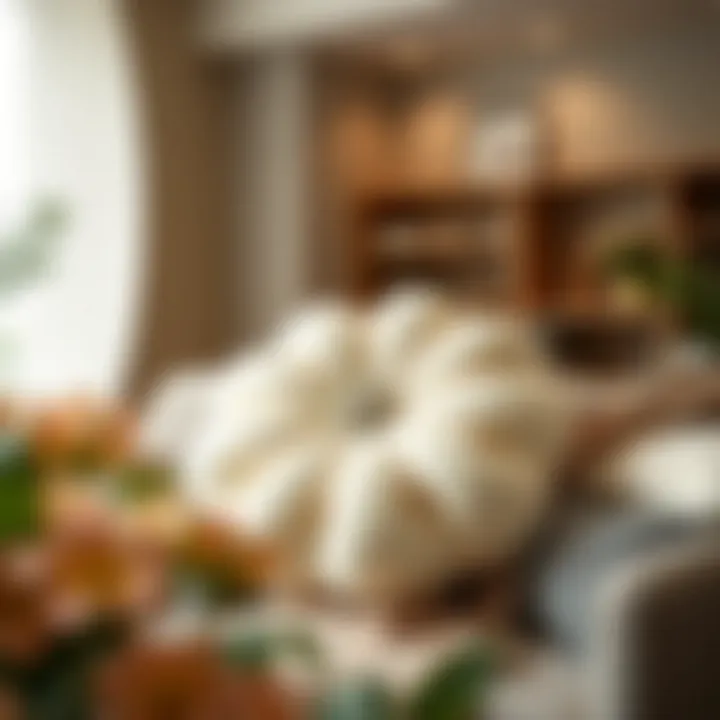
Flower-shaped cushions are characterized by their distinct floral designs, which often boast vibrant colors and unique textures. They can be crafted from a variety of materials, allowing for a diverse range of styles and purposes. Typically, these cushions feature petal-like shapes that can either mimic realistic flowers or take on abstract forms, distilling nature into soft furnishings. Their dimensions, while varied, tend to be larger than standard cushions, lending both comfort and visual interest.
- Shapes and Styles: Flower-shaped cushions can range from simple round forms to more intricate designs, like those resembling daisies or poppies, making them versatile for any decor theme.
- Color Varieties: The palettes are endless. You can find cushions in calming pastels for a soft touch or bold colors to create a striking focal point.
- Textural Elements: Materials can include soft cotton, plush velvet, or even sturdy canvas, each conveying a different feel and purpose.
Overall, the intersection of these characteristics defines the flower-shaped cushion's unique spot in the interior design landscape. They invite a sense of playfulness and warmth, softening the often stark lines of urban furniture.
Cultural Significance in Design
The cultural significance of flower-shaped cushions in design transcends mere decoration. In many cultures, flowers symbolize beauty, growth, and renewal, extending their meaning into contemporary interior design. In essence, when these cushions are added to a living space, they do not simply serve an aesthetic purpose; they communicate a story, a mood, or a feeling that resonates with the inhabitants.
- Symbolism: Different flowers evoke different sentiments. For example, a sunflower cushion might evoke feelings of warmth and joy, while a lotus flower might connote purity and serenity.
- Traditions: In various cultures, floral motifs have been integral to crafting textiles. This historical precedence underscores the idea that flower-shaped cushions are more than just contemporary trends; they are rooted in tradition and artistry.
- Psychological Impact: Studies have shown that incorporating nature-inspired designs into living spaces can positively affect one's well-being. It promotes relaxation and evokes a sense of connection to the natural world, especially essential in urban settings where green spaces may be limited.
"Integrating flower-shaped cushions into urban interiors cultivates a serene oasis amid the hustle and bustle of city life, reminding us of nature's ephemeral beauty."
In summary, as urban dwellers seek to personalize their spaces, flower-shaped cushions offer an avenue for self-expression while also enhancing the emotional atmosphere of the home.
Historical Context
Understanding the historical context of flower-shaped cushions is vital for grasping how their role in interior design has evolved. These decorative pillows are not merely textile creations; they encapsulate cultural significance and reflect design philosophies of various eras. As we delve into their past, we see the shifting preferences for aesthetics and functionality, revealing how these cushions adapted to changing lifestyles and urban environments.
In earlier periods, decorative elements like flower-shaped cushions served a dual purpose—not just to beautify a room but also to add layers of comfort. They were often associated with notions of hospitality, reflecting a home’s warmth through inviting textures and designs. By examining their origins, designers and homeowners can better appreciate their unique place in modern decor, recognizing that what may seem like a simple adornment today carries a complex legacy.
Early Uses in Interior Design
The emergence of flower-shaped cushions can be traced back to ancient civilizations where decor was a symbol of status and identity. In places like Ancient Egypt, lavish textiles adorned thrones and furniture, with cushions used to signify wealth. The floral motifs represented life and divinity, hinting at the broader cultural appreciation for nature’s beauty in living spaces.
As we move into the Middle Ages, we notice that floral designs began to reflect the artistry of tapestries and textiles made by skilled artisans. The use of cushions became more prevalent in royal courts, where comfort hitched a ride with extravagance. Common household items, meanwhile, started to include simpler but vibrant flower patterns allowing the middle class to enjoy some semblance of luxury in their homes.
By the Victorian era, cushions—flower-shaped ones included—became commonplace in households. This period witnessed a blossoming of interiors, where ornamentation soared to new heights. Designers began to position these cushions not just for comfort but as pivotal pieces in reimagining space. The floral designs mirrored the lavish gardens of the period, linking indoor aesthetics to the reputation of outdoor beauty.
Evolution through the Decades
The journey of flower-shaped cushions from the Victorian age to today is nothing short of fascinating. In the early 20th century, the Art Deco movement revolutionized design with bold colors and geometric shapes, challenging the soft, romantic floral motifs of previous generations. Nonetheless, flower patterns endured, transforming in style and approach. Designers started mixing art deco styles with traditional patterns, creating cushions that spoke to both the past and the present.
Post-World War II, living spaces became more compact, particularly in urban settings. In this era, flower-shaped cushions began to serve more practical purposes alongside their decorative ones. Compact furniture arrangements found a companion in these cushions, which provided comfort and visual appeal without occupying excessive space.
Today, we see a significant shift towards minimalism and eco-conscious living, but flower-shaped cushions still hold their ground. They are often used as statement pieces that juxtapose the stark lines of contemporary décor, bringing warmth and depth to otherwise sleek environments. As urban living continues to evolve, these cushions remind us that beauty and durability can coalesce, adapting to the demands of modern design while retaining their historical essence.
Material Choices
The selection of materials for flower-shaped cushions is pivotal in shaping their overall functionality, aesthetics, and sustainability. When we delve into the various uses of these artistic pieces, the types of materials chosen can significantly affect comfort, longevity, and visual appeal. The market sees an array of options, each with distinct characteristics, benefits, and consideration points. This section is tailored to provide insights into textile options and filling materials, offering a rounded view of what goes into these decorative items.
Textile Options
Natural Fabrics
Natural fabrics, like cotton, linen, and wool, have become quite a staple in home decor. Their breathability and hypoallergenic properties make them an ideal selection for both comfort and aesthetics. One key characteristic is their ability to support diverse dye techniques, which allows for vibrant colors suitable for flower-shaped cushions.
Moreover, natural fabrics bring a unique texture that synthetic materials often lack. This texture gives a soft touch, inviting people to lounge around in comfort. However, they can be more susceptible to wear and tear over time.
Pros of natural fabrics:
- Eco-friendly: Sourced from sustainable materials.
- Versatile: Available in a wide range of colors and patterns.
- Comfortable: Soft texture against the skin.
Cons include:
- Often more expensive than synthetic alternatives.
- May require special cleaning to maintain appearance.
Synthetic Materials
On the other hand, synthetic materials, such as polyester and nylon, bring a different flair to the table. These fabrics are less expensive and tend to be more stain resistant, which is a significant advantage in urban living spaces where spills are part of life. Synthetic materials also have a greater ability to hold color, retaining their vibrant look for longer.
A unique feature of synthetic fabrics is their durability. They withstand frequent usage without showing signs of wear, making them a beneficial choice for high-traffic areas.
- Pros of synthetic materials:
- The downsides include:
- Affordable price range.
- Stain-resistant and easier to clean.
- Highly durable and long-lasting.
- Less breathable, which might affect comfort in hot weather.
- Environmental concerns surrounding production and disposal.
Eco-Friendly Alternatives
With a growing awareness of sustainability, eco-friendly alternatives such as organic cotton, hemp, and recycled polyester are gaining attention. These materials not only reduce the environmental impact but also cater to design enthusiasts who prioritize responsible sourcing. One notable characteristic is their biodegradability, making them a worthy addition to any urban living space committed to sustainability.
These alternatives contribute positively to the overall topic by embodying the blend of design, comfort, and eco-consciousness.
A highlight of eco-friendly fabrics is their ability to provide a tactile experience similar to natural fabrics but with lesser environmental costs.
- Benefits of eco-friendly alternatives:
- Considerations include:
- Sourced sustainably, lowering carbon footprints.
- Offer unique textures.
- Biodegradable, reducing waste.
- Availability may not be as widespread as conventional materials.
- Potentially higher costs relative to mass-produced textiles.
Filling Materials
Polyester vs. Foam
The choice between polyester and foam filling is crucial for ensuring comfort and aesthetic appeal. Polyester fills are light and affordable, making them a popular option for those looking to balance cost with quality. They also provide a good level of cushioning, suitable for decorative purposes.
In contrast, foam fillings are often denser, offering firm support while conforming to the shape of the body. This characteristic makes foam ideal for users who value comfort and durability in their cushions.
- Pros of polyester fillings:
- Cons might include:
- Lightweight and easily manipulated.
- Affordable, making it budget-friendly.
- Less supportive over time compared to foam.
- May compress more quickly with regular use.
Memory Foam Insights
Memory foam is excellent for those seeking superior comfort and support. This material conforms to the body’s shape, providing personalized relaxation, an aspect that caters well to individual preferences in comfort.
One notable benefit is its ability to reduce pressure points, making these cushions ideal for extended lounging. However, it comes with a trade-off—memory foam can sometimes retain heat, making it less suitable for hotter climates.
- Benefits of memory foam:
- Possible drawbacks:
- Shapes to the body, offering comfort.
- Reduces pressure points, improving relaxation.
- Retains heat, which might be uncomfortable in warm weather.
- Typically, more expensive than polyester or standard foam.
Choosing the right materials for flower-shaped cushions greatly influences their placement in urban spaces. Each material type—from textiles to fillings—offers its unique advantages and disadvantages that cater to different tastes, budgets, and aesthetics.
Design Trends
Design trends in flower-shaped cushions carry profound significance in today’s urban living spaces. As the dynamics of home environments evolve, these cushions have not just maintained their presence; rather, they have blossomed into pivotal elements of interior design. Understanding current design trends allows for a better grasp of how these cushions enhance both aesthetic appeal and functional comfort.
One key benefit of acknowledging design trends is the opportunity to fuse beauty with utility. Flower-shaped cushions, with their engaging forms and colors, elevate standard decor while presenting practical comfort for users. They soften hard lines and angles often found in urban architecture, adding warmth in often cold and sterile environments of city living.
Additionally, being aware of these trends helps designers and homeowners alike create cohesive spaces. It’s about crafting an atmosphere that speaks to individual style while ensuring that each piece complements the entire scheme.
Geometric and Abstract Inspirations
Geometric and abstract inspirations have become ever more relevant in the realm of flower-shaped cushions. This design ethos leverages patterns, shapes, and forms to create a sensory dialogue within a space. The cushion designs often play with symmetry and asymmetry, enticing visual engagement. For instance, cushions with streamlined petal shapes might sit elegantly beside circular or hexagonal forms, creating a layered effect that draws the eye.
There’s also a rising tendency to incorporate mixed materials—think fabric types and textures that intersect in unexpected ways. A cushion may boast a silk exterior with a patterned cotton back, creating a juxtaposition that invites touch and interaction. Such layering enhances the overall sensory experience.
Moreover, geometric patterns can often echo elements found in modern architecture and graphic design, making these cushions an ideal choice for urban interiors that prize contemporary aesthetics. It offers that lovely contrast to the organic motif of flowers, which, when thoughtfully combined, can create a balanced visual narrative.
Color Schemes and Patterns
When it comes to color schemes, the versatility of flower-shaped cushions shines through. Designers are currently gravitating towards bold hues and intricate patterns that make statements amid colder, more muted urban interiors. Brightly colored cushions in shades of deep indigo, burnt orange, or even vibrant green can act as vivid punctuation marks in a predominantly neutral palette.
Consider also the impact of patterns. Floral designs invite nature indoors and resonate with themes of growth and rejuvenation. However, abstract patterns bring a modern twist, contributing an avant-garde flair. Designers capitalize on this duality, allowing cushions to narrate different stories in their spaces—whether that’s paying homage to nature or celebrating contemporary styles.
"The choice of colors and patterns in flower-shaped cushions encapsulates the essence of freshness and vibrancy, reflecting urban life’s dynamic nature."
This interplay of color and pattern finds its application not just in residential spaces, but also in commercial settings. Storefronts and offices alike are beginning to embrace cushions as an unexpected yet compelling component of their designs.
By keeping a pulse on these design trends, interior designers, homeowners, and decorators can skillfully navigate the elements of style and comfort, all while ensuring that the flower-shaped cushions serve as both functional pieces and artful decor.
Practical Applications
Flower-shaped cushions are not just a whimsical touch to any interior; they serve a myriad of practical applications that enhance both comfort and aesthetic appeal in urban living spaces. As cities grow denser and personal space shrinks, these cushions present solutions that align with modern lifestyle demands while adding a decorative flair. Their rising popularity underscores their significant role in transforming ordinary spaces into delightful retreats.
Enhancing Comfort in Living Areas
The primary advantage of flower-shaped cushions lies in their ability to amplify comfort within living areas. When arranged strategically, these cushions can transform a stark couch into a welcoming haven. Their soft texture invites relaxation, making them ideal for spaces meant for unwinding after a long day or gathering with friends on a lazy Sunday.
- Support and Ergonomics: Unlike traditional cushions, flower-shaped versions conform to the body in a way that provides better support, particularly in the lumbar region. This nuance often encourages people to lounge longer, which meets the demands of a modern lifestyle where comfort is paramount.
- Layering and Texture: The unique shapes allow for a dynamic arrangement that adds depth to the overall decor. Layering different sizes and colors can create an eye-catching display that enhances the design of the room.
To truly take advantage of these benefits, consider positioning flower-shaped cushions at pivotal spots like the corners of a sofa or atop armchairs. With every guest that sits down, they not only boost comfort levels, but also elevate the visual dynamics of the space dramatically.
Incorporating in Outdoor Spaces
Flower-shaped cushions aren't confined to indoor settings; they also play a significant role in outdoor spaces. As urban dwellers turn balconies, patios, and terraces into extensions of their living areas, these cushions bring both comfort and color to these outdoor retreats.
- Durability in Outdoor Fabrics: When selecting cushions for outdoor use, consider those made from fade-resistant and weather-proof fabrics. Materials that handle moisture well while maintaining color vibrancy serve to enhance an inviting outdoor atmosphere.
- Thematic Cohesion: Utilizing flower-shaped cushions in outdoor decor can tie themes together. For example, a garden-themed patio adorned with flower-shaped cushions can reflect the natural beauty surrounding it, creating a seamless blend of the built and natural environment.
Incorporating these cushions outdoors is as simple as placing them on lounge chairs or using them as decorative elements on benches. Such arrangements not only add comfort to outdoor gatherings but also inspire lively conversations and foster a hospitable environment.
"By embracing the versatility of flower-shaped cushions, urbanites can craft both cozy interiors and inviting outdoor havens that resonate with their personal aesthetics."
Balancing Aesthetics and Functionality
In the realm of interior design, the notion of balancing aesthetics and functionality holds tremendous sway. This applies robustly to flower-shaped cushions, where beauty often dances hand in hand with practicality. A well-designed space isn't just visually appealing; it must also serve its purpose effectively. Consequently, flower-shaped cushions epitomize this balance, marrying charming design with usable comfort. Whether you're sprucing up a small apartment or a sprawling home, understanding this harmony can elevate your decor game.
Creating a Harmonious Look
Creating a harmonious look in any living space involves artfully combining shapes, colors, and textures. Flower-shaped cushions are versatile enough to fit into diverse decor styles, from bohemian to contemporary. The rounded, soft lines of these cushions can actually soften the edges of angular furniture, yielding a balanced sight.
When selecting cushions, consider their colors and patterns with the surrounding elements. A bright sunflower yellow cushion can inject vibrancy into a neutral space, while soft pastels might whisper sophistication into a minimalist design. Beyond mere visuals, the tactile experience of a cushion—be it plush, firm, or fluffy—affects the overall vibe of the room. The texture invites one to interact, evoking a sense of coziness and comfort. Incorporating varying cushion sizes can diversify the visual landscape, inviting your guests to relax and settle down.
"A well-placed cushion does more than just decorate; it engages and comforts the heart."
Durability Considerations
When diving into durability considerations, we venture into a territory not often celebrated in aesthetics discussions. Yet, if the cushions wear out, even the prettiest flower-shaped design will quickly lose its charm. As such, it’s crucial to look for high-quality materials that withstand the wear and tear of daily use.
Here are some points to ponder when assessing durability:
- Fabric Types: Natural fabrics like cotton or linen tend to be breathable and comfortable but may require more maintenance compared to synthetic fibers like polyester, which are known for their resilience.
- Stitching and Construction: Inspect the stitching; tightly sewn seams generally hold up better against daily use. A cushion bursting at the seams can deter even the most enamored homeowners.
- Filling Quality: The type of filling is crucial as well. Consider high-density foam for firmness or down alternatives for a plush feel that still maintains shape over time.
In a world where consumer choices often sway towards the immediate and the trendy, investing in durable flower-shaped cushions can yield long-term benefits, enhancing both the look and feel of urban living spaces.
Flower Shaped Cushions & Minimalism
The relationship between flower-shaped cushions and minimalism is both intricate and fascinating. In the realm of urban living, where space can be at a premium, the blend of aesthetic appeal with practicality becomes paramount. Flower-shaped cushions offer an opportunity to add a splash of design while adhering to the minimalist ethos of simplicity and functionality. They serve not just as mere decorative pieces but encapsulate the essence of a serene, uncluttered space where each item carries significance.
Adapting to Modern Trends
Flower-shaped cushions have undergone a transformation to fit the contemporary minimalist landscape. Minimalism emphasizes fewer items with greater impact. In this regard, cushions shaped like flowers become focal points, commanding attention without overwhelming the space. Their soft curves and vibrant colors contrast sharply with the often rigid lines found in minimalist furniture. This creates a visually pleasing balance that delights the eye yet does not clutter the mind.
To adapt to these modern trends, designers are focusing on:
- Simplicity in Design: Streamlined flower shapes, avoiding excessive embellishments, help maintain a clean look.
- Neutral Palettes with Pops of Color: Using muted tones for the main elements while allowing cushions to inject subtle vitality into a room.
- Functional Versatility: Many cushions double as functional items, offering lumbar support or added comfort, enhancing their appeal in minimalist settings.
Contrasting with Minimalist Spaces
While minimalism advocates restraint, flower-shaped cushions inherently bring warmth and charisma. The gentle shapes and inviting aesthetics can tempt even the staunchest minimalist to reconsider a rigid decor scheme. The contrast lies in how these cushions break the mold of sterility often found in minimalistic designs.
In a space characterized by minimal elements, a strategically placed flower-shaped cushion can become a statement piece. This boldness defies the expectation of blandness and instills personality into a room. Consider a soft lavender petal cushion nestled against a stark, white modern sofa; it injects life and creates visual dialogue within the surroundings.
Moreover, the key to making flower-shaped cushions work harmoniously in a minimalist environment includes:
- Placement Considerations: Using only one or two cushions can maintain a minimalist feel, letting each piece shine.
- Material Harmony: Choosing fabrics that complement the overall design scheme—like organic cottons or linens—further enhances cohesion.
- Balanced Composition: Ensuring the cushion's colors sync with the room's overall theme fosters a sense of unity.
In the grand scheme of urban decor, flower-shaped cushions provide a means to explore and challenge the constraints of minimalism. They enrich spaces, making them not just livable, but inviting and engaging to inhabitants and visitors alike.
The Role of Flower Shaped Cushions in Urban Decor
In urban living, where space can be tight and aesthetic demands are high, flower-shaped cushions stand as a delightful bridge between functionality and design. They offer a nuanced way to bring a touch of nature indoors while maximizing the potential of every square foot. As the rhythm of city life quickens, so too has the need for decor that reflects personal style without sacrificing practicality. Flower-shaped cushions fit snugly into this niche, making them essential for modern interiors.
Benefits of Flower Shaped Cushions
Flower-shaped cushions provide several key benefits for urban dwellers:
- Versatility: They can adapt to various settings, whether in a cozy apartment, a lively café, or even a chic office. Their form can complement both minimalistic and extravagant styles.
- Comfort: Beyond their visual appeal, these cushions invite relaxation. They add layers of softness to hard surfaces, making spaces more inviting.
- Style Statement: They break the monotony of conventional decor, adding an unexpected element that can either harmonize with or contrast your existing arrangements.
Utilizing flower-shaped cushions has largely transformed how urban spaces are curated, celebrating both aesthetic beauty and practical usability.
Personalizing Small Spaces
In small apartments, every item plays a pivotal role in defining the overall ambiance. Flower-shaped cushions offer a unique opportunity for personalization. Their organic shapes can soften the rigid lines commonly found in urban architecture. By strategically placing these cushions, residents can create serene vignettes filled with character.
Here are a few ways to use these cushions effectively in limited spaces:
- Color Coordination: Choose cushions that echo the colors of surrounding decor. For example, if your walls are painted in soft pastels, light flower patterns can create cohesion.
- Layering: Utilize these cushions alongside other decorative items, mixing different shapes and textures while keeping the flower shape as a focal point. Pair them with geometric cushions to create a playful yet sophisticated look.
- Placement: Consider using them on chairs, beds, or even the floor in a corner reading nook to invite comfort and style into that otherwise unused space.
"Using flower-shaped cushions can turn a bland corner into a delightful retreat, inviting you to pause and relax."
Function as Statement Pieces
Flower-shaped cushions can transcend their functional purpose to serve as striking statements in urban decor. Their ability to command attention makes them perfect for display in both residential and commercial environments. When cohesively designed with adjacent furnishings, these cushions can convey specific thematic narratives, adding depth to the overall decor.
Examples of how to leverage their statement-making potential include:
- Bold Patterns: Opt for cushions with vibrant prints or unusual colors that draw the eye. Placed on a neutral sofa, they can quickly become the room's focal point.
- Thematic Decor: Match cushions to a seasonal theme. For instance, using floral-patterned cushions in spring can breathe new life into otherwise static decor.
- Artistic Arrangements: Group various sizes and shapes together, allowing them to create a visual pancake of unique artistry on your furniture or floors.
Flower-shaped cushions do more than just fill space; they invite discussion and admiration, transforming areas into canvases of creativity and life. As urban landscapes evolve, these cushions play an increasingly important role in shaping modern aesthetics.
Sustainability and Flower Shaped Cushions
In the throes of climate change and environmental scrutiny, the notion of sustainability has seeped into every nook and cranny of design, including the world of home decor. Flower-shaped cushions, once considered mere decorative items, now play a pivotal role in sustainable interior design. They embody a blend of aesthetic appeal and eco-friendliness, symbolizing a home’s commitment to the planet while enhancing urban living spaces. The importance of sustainability in these cushions lies not only in their materials but also in their contribution to a larger environmental dialogue.
Sourcing Sustainable Materials
When we discuss sustainable materials for flower-shaped cushions, the conversation grooves through natural fibers, recycled textiles, and organic fillings. Opting for materials like organic cotton or linen represents a sound choice for those yearning for comfort while treading lightly on the earth. These materials are grown without harmful pesticides, reducing the environmental impact and supporting healthier ecosystems.
Additionally, there’s the up-and-coming trend of using recycled materials. This could entail polyester made from recycled plastic bottles or upholstery fabrics salvaged from manufacturing waste. The act of reusing materials not only cuts down on waste but also creates unique textures and colors that can add a distinctive flare to urban interiors. Consider the example of a designer who crafts cushions from surplus fabrics; every piece turns into a storytelling artifact, contributing to both a charming decor and a lesser environmental footprint.
Key Advantages of Sustainable Sourcing:
- Environmental Protection: Minimizes pollution and conserves resources.
- Unique Designs: Creates one-of-a-kind pieces utilizing varied materials.
- Consumer Awareness: Encourages consumers to invest in environmentally responsible products.
The Shift Towards Eco-Conscious Design
The broader movement towards eco-conscious design encourages designers and consumers alike to be mindful of the products they bring into their homes. Flower-shaped cushions, in this context, become more than mere accessories; they are embodiments of a lifestyle choice. The shift trend emphasizes the amalgamation of style and sustainability, resulting in beautiful, functional pieces that also pay homage to the planet.
Some designers are embarking on projects that focus exclusively on eco-conscious production processes. By sourcing materials from local suppliers and adopting techniques that reduce waste, these creative minds are actively participating in a revolution of sorts.
Furthermore, the rise of awareness about climate issues has compelled brands to rethink their supply chains. The narrative has changed; it’s no longer just about how a cushion looks or feels. Now, aspects like its manufacturing process, sourcing, and end-of-life disposal are front and center.
"Sustainability isn’t a trend—it's a necessity in design."
As a result, flower-shaped cushions have transformed into symbols of this new design era, where beauty coexists with sustainability. It’s a dance of colors, shapes, and earth-friendly practices that showcases how personal style doesn’t have to compromise the planet's future.
In summary, as urban spaces strive to incorporate more greenery and eco-friendly elements, flower-shaped cushions stand at the intersection of beauty and conscious living. Their significance is evident, serving both aesthetic and functional needs while echoing the call for sustainable living in every corner of our modern homes.
Care and Maintenance
Proper care and maintenance of flower-shaped cushions is essential not only for their longevity but also for maintaining the aesthetic appeal they bring to an urban living space. These cushions, with their unique designs and vibrant colors, often become focal points in interiors, accentuating style and comfort. Without careful attention, they can quickly lose their charm, becoming stale and worn. Understanding the nuances of care ensures that these cushions continue to enhance the ambiance of a home for years to come.
Cleaning Techniques
Regular cleaning is fundamental for preserving the vibrancy and texture of flower-shaped cushions. Depending on the materials used, cleaning methods may differ.
- Spot Cleaning: For small stains, a quick spot clean is often beneficial. Using a mix of mild soap and water on a soft cloth can lift up dirt without damaging the fabric.
- Machine Wash: If cushions are removable and machine washable, check the label for specifics. Most cotton or polyester cushions handle a gentle cycle well, while retaining their shape. Using cold water is generally recommended to avoid fading.
- Hand Wash: For more delicate fabrics, it's prudent to hand wash. This offers better control. Soaking in lukewarm water combined with a gentle detergent can help. Always rinse thoroughly to remove any soap residue.
- Dry Cleaning: When in doubt, especially with high-end materials like silk or certain blends, consulting with a professional cleaner can save you headaches.
- Maintaining Shape: After cleaning, always shape the cushions while damp. This will help them keep their flower form and not end up looking limp.
Remember: Regularly fluffing cushions can keep them looking new. This simple action helps in redistributing the filling and maintaining structure.
Storage Tips
When it comes to storage, especially in urban homes where space is a premium, a few strategies can make all the difference. Proper storage prolongs the life of these cushions, maintaining their shape and color.
- Avoid Damp Places: Store cushions in a dry area to prevent mold. Moist environments can lead to deterioration of fabrics and fillings.
- Use Breathable Covers: Consider using cotton or linen covers for storage. They provide protection from dust while allowing the cushion materials to breathe.
- Stack or Hang: Depending on your space, either stacking cushions neatly or hanging them can ensure they don’t lose shape. Avoid pressing too many under weight as that can flatten them over time.
- Rotate Usage: If you have multiple cushions, rotating them not only spreads wear but also keeps your decoration fresh and appealing.
- Seasonal Storage: For cushions that are likely to be used seasonally, take the time to clean and store them appropriately. This cyclical care can maintain their beauty and functionality across seasonal decor changes.
Case Studies
Exploring the use of flower-shaped cushions in urban living spaces provides valuable insights into their impact on interior design. Case studies offer a practical view of how these cushions can transform spaces, not just visually, but functionally as well. They serve as tangible examples, illustrating the versatility and appeal of flower-shaped cushions tailored to various styles and needs. By examining these real-world applications, designers and homeowners can see the benefits of incorporating such elements into their environments, effectively bridging the gap between aesthetics and practicality.
Successful Urban Interiors
In recent years, cities across the globe have witnessed a surge in urban interiors that embrace innovative designs, and flower-shaped cushions are at the forefront of this trend. An excellent example can be drawn from a modern loft in Brooklyn, where a vibrant palette pairs beautifully with these cushions. The use of floral motifs in cushion design introduces a touch of nature to a concrete jungle, fostering a sense of warmth and comfort in an otherwise minimalist setting.
- Visual Interest: In the Brooklyn loft, flower-shaped cushions break the monotony of neutral colors. They serve as focal points that spark conversation and add layers to the overall design.
- Comfort and Function: The cushions also enhance the physical space by providing a cozy element that invites relaxation. They can be strategically placed to encourage casual lounging, making them more than just decorative items.
- Flexibility: Homeowners have the freedom to swap out cushion covers with different floral designs based on changing seasons or personal moods, offering versatility in their decor.
By showcasing such urban interiors, designers can inspire others to consider the myriad of options available when choosing flower-shaped cushions.
Innovative Use in Commercial Spaces
Commercial spaces are not left behind in the flower-shaped cushion trend. Cafés and boutique hotels have started using these cushions not just as decor, but as active elements that enhance customer experience. For instance, a quaint café in San Francisco has cleverly used floral cushions in its indoor seating arrangement.
- Brand Representation: The floral designs echo the café's ethos of sustainability and community connection, as they align with local flora, thus resonating with patrons.
- Inviting Atmosphere: Customers often return to the café not just for the coffee, but also for the cozy vibe created by these cushions. Their unique shapes and vibrant colors encourage patrons to linger longer, creating a more pleasurable dining experience.
- Functional Decor: In spaces where every square foot counts, these cushions serve dual purposes: they add character while ensuring comfort during prolonged visits.
Incorporating case studies like these into interior design conversations illuminates how flower-shaped cushions can elevate both residential and commercial spaces, making them an essential element in contemporary design.
End
Flower-shaped cushions not only serve as decorative items in urban living spaces but also embody the merging of function and aesthetic appeal. Their significance is multi-faceted, impacting both the ambiance of a space and its practical usability. As we reflect on the essentials discussed throughout this article, it is evident that these cushions enhance comfort while playing a pivotal role in interior design. This makes them indispensable for urban homeowners seeking to express their personality through their decor.
Future Prospects of Flower Shaped Cushions
The future of flower-shaped cushions looks bright, especially in the face of evolving urban design trends. As cities grow denser, the demand for innovative, space-saving furniture increases. Flower-shaped cushions can adapt to various styles and preferences, ranging from minimalist designs to more eclectic setups. Moreover, evolving technology and production processes are paving the way for sustainable materials that can be used in cushion manufacturing. This means that consumers who prioritize the ecological impact of their choices will have increasingly more options to select. Designers may also explore using augmented reality to help consumers visualize how these cushions could fit into their homes.
Additionally, with the rise of remote work and the need for personal comfort in small home offices, these cushions could offer both aesthetic value and much-needed support. By blending elegance and practicality, flower-shaped cushions have the potential to become staples in urban interiors, shaping not just spaces, but also the lifestyle of their inhabitants.
Final Thoughts
In summary, flower-shaped cushions embody more than just a decorative element; they represent a thoughtful approach to interior design that marries comfort with style. Their evolution through the years highlights a growing appreciation for the intersection of art and utility. As urban living continues to evolve, these cushions provide an excellent way for individuals to personalize their environments. They not only beautify spaces but also invite comfort and warmth into what may otherwise feel austere and impersonal.
As homeowners and designers continue to seek harmony in their living spaces, flower-shaped cushions stand out as versatile tools, adding layers of comfort, color, and character. With ongoing innovations in style and sustainability, they will remain a significant player in the world of interior design, offering valuable insight into how aesthetics can lead to a more enriched living experience.
The Role of References in Design
References serve as cornerstones for any analytical work. They provide a framework to grasp how flower-shaped cushions have transitioned over time and influenced contemporary decor. For instance, studies from design institutions or insights presented in architectural journals can shed light on how urban living has adapted to include softer, more organic furnishings like flower-shaped cushions. Histories, case studies, and design critiques found in sources like britannica.com and en.wikipedia.org establish a strong academic foundation necessary for deeper understanding.
Benefits of Utilizing References
- Credibility: Citing established sources adds weight to arguments in design discussions. It shows that conclusions aren’t just opinions but are backed by research and expertise.
- Comprehensive Insight: References provide access to various viewpoints, revealing how different cultures and design trends have influenced the styling of cushions.
- Trends Analysis: By examining references in trade publications and scholarly articles, designers gain awareness of emerging trends that can impact future choices in aesthetics.
Considerations When Using References
When compiling references, especially in the context of design, it’s crucial to select resources that offer precise and up-to-date information. Here are a few key considerations:
- Relevancy: Ensure materials are pertinent to contemporary culture and urban design.
- Variety of Sources: A wide mix of academic texts, trade publications, and even forums like reddit.com can offer diverse perspectives.
- Authoritativeness: Use references from recognized industry experts or established publications for reliable information.
"In design, understanding the past and present is key for forging the future."
— Anonymous Designer
Flower-shaped cushions can be a subtle yet significant addition to any urban living space. As the landscape of interior design continues to change, recognizing the historical context through solid references elevates the approach towards these decorative yet functional items. Integrating the evolving role of such cushions within urban spaces helps refine future design choices and influences personal expression in decor choices.
In summary, the best practices for using references involve a critical eye, recognizing the interplay between aesthetics and functionality, and understanding the continuous evolution of design trends that these cushions embody. This layered approach allows the narrative around flower-shaped cushions not only to enrich living spaces but also to influence broader discussions in the realm of urban decor.