
Decorative Storage Containers: Design Meets Functionality
Intro
As we continue navigating through the complexities of modern living, decorative storage containers have emerged as both functional tools and artistic expressions. These items, which may once have been mere afterthoughts in home decor, are now key players in the narrative of personal spaces. From sprawling urban lofts to compact apartments, every inch of space counts, and having solutions that both declutter and beautify has never been more vital.
In this article, we explore how these containers have transformed from utilitarian objects into essential elements of design. We’ll dissect various materials, styles, and practical considerations associated with incorporating these items into one’s home. This journey will shed light on the role these containers play—not just in maintaining order, but also in enhancing aesthetic appeal.
Delving into this topic reveals that the evolution of decorative storage containers is not merely about keeping things neat; it reflects broader trends in interior design and individual expression. Thus, our analysis serves as a guide for anyone looking to harmonize functionality with artistry in their living spaces.
Understanding Decorative Storage Containers
Decorative storage containers play a pivotal role in our homes, as they serve not just a functional purpose but also enhance aesthetic appeal. As we navigate through increasingly cluttered spaces, finding solutions that combine utility with style becomes essential. These containers offer more than mere containment; they are a bridge toward an organized and visually pleasing environment.
When discussing decorative storage containers, the conversation spans a vast array of styles, materials, and functionalities, each chosen to cater to specific needs and preferences. Be they woven baskets that fit snugly in a corner or robust trunks serving as both decor and storage, each type holds unique significance. The interplay between functionality and artistry is a dance that shapes how we interact with our living spaces. This article investigates these containers, exploring their relevance in modern design and how they cater to the needs of homeowners, interior designers, and architects alike.
Definition and Purpose
At its core, a decorative storage container can be defined as any vessel used for storage that also contributes to the visual design of a space. This includes various shapes and materials—think wicker baskets, sleek metal boxes, or stylish fabric bins. The primary purpose goes beyond storing items; it’s about creating an organized environment while making sure that what one sees pleases the eye. When stored effectively, belongings appear less chaotic, leading to a more serene atmosphere.
Furthermore, these containers enable easy access to items while maintaining an appealing look. Whether in a small urban apartment or a sprawling suburban home, decorative storage containers can streamline organization without sacrificing style.
Historical Context
The concept of storage containers dates back centuries, evolving in tandem with changes in lifestyle and availability of materials. Early civilizations utilized natural resources, crafting baskets from reeds or clay pots for storing grains and other food items. The function was straightforward: preservation and access. However, as cultures progressed, so did the aesthetic element. In ancient Egypt, beautifully designed papyrus baskets carried not just utility but also symbolic meaning.
Fast forward to the Victorian era, where decorative storage saw fascinating developments. Individuals began ornamenting boxes and cases with intricate carvings or glossy finishes, transforming simple storage boxes into heirlooms that showcased artistry and wealth. This shift ushered in a rise in craftsmanship, merging functional needs with artistic expression.
In contemporary society, the journey of decorative storage containers has taken another turn. Today, there is a significant emphasis on sustainability and minimalism, prompting designers to create pieces that not only look good but also align with eco-friendly practices. Thus, understanding the historical progression of decorative storage containers reveals much about societal values and design trends over time, setting the stage for current innovations.
Types of Decorative Storage Containers
The variety of decorative storage containers available today is staggering. Each type not only serves as a vessel for organization but also adds a layer of character to a space. When you’re choosing decorative storage options for your home or workspace, it’s essential to understand the different types available and their unique benefits. Each category caters to different styles and functions, allowing for creative expressions while ensuring tidiness. In a world where space is precious, these containers play a vital role in maximizing utility and enhancing aesthetics.
Boxes and Bins
Wooden Boxes
Wooden boxes have an undeniable charm. Their natural grain and texture bring warmth to any space, making them an appealing storage solution. One of the key features of wooden boxes is their durability. Unlike other materials, wood stands the test of time, which makes it a sound investment. Moreover, they can be crafted into various designs – from minimalist to ornate. However, one should be mindful of potential drawbacks. Wooden boxes, if not treated, can be susceptible to moisture and require periodic maintenance. This adds an element of care that might not suit everyone’s lifestyle but offers a rustic aesthetic that many find hard to resist.
Fabric Bins
On the other hand, fabric bins offer flexibility. They can be easily folded and stored away when not in use, making them a practical choice for those with limited space. Their lightweight nature means that they can be moved around with ease, adapting to different needs as required. A prominent characteristic of fabric bins is the endless array of patterns and colors available. This allows them to fit seamlessly into various decor styles. Nevertheless, durability could be a concern as some fabric bins may wear down quicker than others, especially if used frequently for heavy items. Their unique feature lies in their breathability, promoting air circulation, which is beneficial for storing items that need to stay fresher for longer.
Metal Containers
Then there are metal containers, which offer a modern touch. Their sleek, industrial appearance can be a statement piece in any decor scheme. A major characteristic of metal containers is their strength and resistance to damage. They can handle a significant amount of weight without buckling under pressure, making them ideal for kitchen or workshop storage. However, metal containers can be susceptible to rust if exposed to moisture, countering some of their durability with a need for care. Despite this, their long-lasting nature and ability to be easily cleaned make them a popular choice.
Baskets
Woven Options
Woven baskets captivate with their artisanal appeal. Each piece can reflect the culture from which it originates, adding a layer of story to your storage solution. The major selling point of woven options is their lightweight and airy feel, which can brighten up any area. For decoration purposes, they can be left exposed, showcasing their craftsmanship. However, their open weave may not be suitable for storing items that need protection from dust or damage. Yet, the distinctive texture adds a tactile element that defines their unique charm, making them a staple in many homes.
Wire Baskets
Wire baskets offer a different perspective. They bring organization to another level with their structured form. A notable feature of wire baskets is their visibility; you can easily see contents at a glance. This makes them a fantastic choice for storing smaller items in kitchens, craft rooms, or offices. Despite their airy design, they can sometimes lack the charm of solid containers, and items may wobble or fall through the gaps. Still, their industrial vibe attracts many modern homeowners searching for functional decor.
Rattan Styles
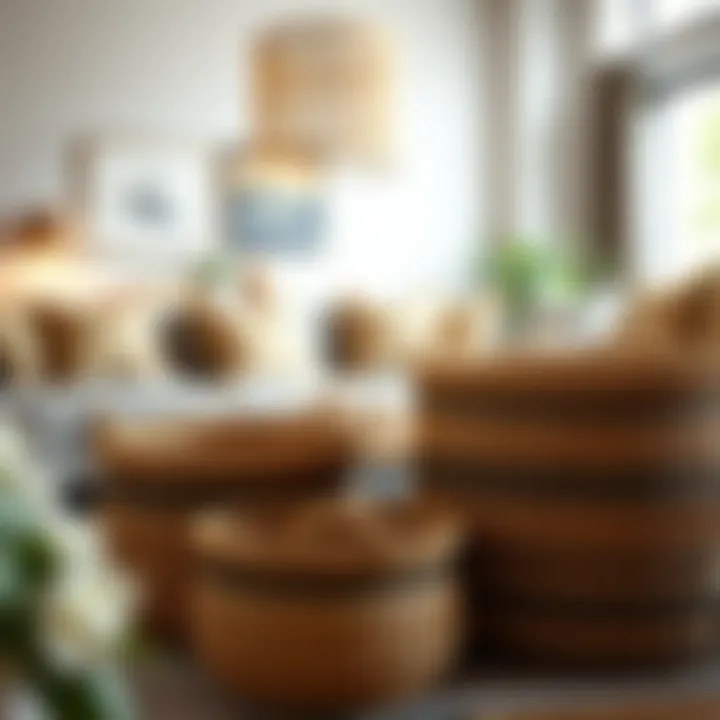
Rattan baskets provide an exquisite blend of functionality and aesthetics. The woven patterns create a natural texture that can complement both casual and elegant settings. One of the significant advantages of rattan is its lightweight quality while remaining sturdy enough for everyday use. Compared to other materials, rattan is generally more resistant to moisture damage. However, it can sometimes be on the pricier side, which could deter those on a budget. Still, it's hard to argue against their beauty and versatility as they enhance any room while ensuring your clutter stays neatly tucked away.
Storage Ottomans
Storage ottomans are a dual-purpose wonder, straddling the line between practicality and comfort. They can provide additional seating when guests pop by while simultaneously hiding blankets, magazines, or toys. A charming characteristic of storage ottomans is their upholstery options, which can match or contrast with your existing furniture. One thing to keep in mind is the potential for wear and tear on the upholstery, especially in active households. However, many modern options offer removable and washable covers, an added benefit in maintaining cleanliness with minimal fuss.
Trunks and Chests
Trunks and chests bring an old-world charm fused with contemporary needs. They serve not only as excellent storage options but also as decorative statements. A crucial feature is their substantial storage capacity; they can hold everything from clothing to books, making them ideal for larger items. However, accessing deep trunks occasionally requires a bit more effort, which can be a drawback. Nonetheless, their rugged sturdiness and timeless appeal keep them relevant in today's decor landscape while promoting organization.
Materials Used in Decorative Storage Containers
The choice of materials for decorative storage containers plays a significant role in their functionality and appeal. As we navigate through the intricacies of home decor, understanding what these materials bring to the table – or shelf – helps us make informed choices that align with our personal style and practical needs. The materials not only affect the look and feel of the containers but also their durability and usability, especially in urban living where space is often at a premium. Different materials can bring unique characteristics and advantages, shaping the overall aesthetic of contemporary interiors.
Natural Materials
Natural materials boast an authenticity that often resonates with many homeowners. They foster a connection to the outdoors, enhancing the overall ambiance of a space.
Wood
Wood has a timeless quality that never goes out of fashion. It’s sturdy, versatile, and often lends warmth to any room. When incorporated into decorative storage containers, wooden elements can vary from rustic finishes to more polished looks.
One key characteristic of wood is its durability. This material can endure heavy use, making it an appealing option for containers that will hold various household items.
A well-crafted wooden box or chest can serve dual purposes – storage and a piece of art.
While wood is generally advantageous, it can also be a bit finicky; moisture can warp the material and lead to decay. Choosing the right type of wood, like cedar or oak, can mitigate some of these issues and extend the lifespan of such containers.
Bamboo
Bamboo is another natural material that deserves a mention. Its eco-friendliness combined with flexible design possibilities makes it quite popular among environmentally conscious consumers. Bamboo grows quickly, making it a sustainable choice contributing positively to the planet. It can be fashioned into a variety of decorative containers, from elegant baskets to sleek bins. One unique feature of bamboo is its lightweight nature; it makes storage options easy to move around as needed.
However, bamboo does come with its doubts. It's generally less durable than harder woods and might not withstand heavy loads in the long run.
Rattan
Rattan has become hugely sought after in the world of home decor. Not only is it visually appealing but it’s also incredibly resilient. This palm species adds an organic touch to interiors, often seen in chic, woven styles that enhance the aesthetic of any room. Rattan containers frequently exude a casual elegance, ideal for rustic or bohemian-themed spaces.
One key aspect of rattan is its ability to adapt to various designs. From bulky baskets to intricate storage solutions, rattan can be shaped in so many ways. But rattan is not without its downsides; it's susceptible to wear and tear if not cared for properly, as UV exposure can lead to fading over time.
Synthetic Materials
Synthetic materials have transformed the decorative storage landscape, providing affordable and diverse options.
Plastic
Plastic is perhaps the most ubiquitous synthetic material in use today. It’s cost-effective, lightweight, and resistant to moisture, making it ideal for various storage solutions. The colorful options available in plastic containers can easily match or contrast other decor elements in your space.
One unique feature of plastic is its versatility; it can mimic the look of other materials like wood or metal while maintaining its original lightweight structure. However, its environmental impact is often a concern, and many are steering away from plastic in favor of more sustainable options.
Resin
Resin is gaining traction as a modern option in decorative storage. It can be molded into complex shapes and offers the benefit of being impervious to moisture, making it great for both indoor and outdoor use. Resin’s key feature is its resilience; it withstands the elements better than many natural materials. Users can find containers that mimic the look of wood or stone without the maintenance hassle. The downside? While resin is durable, it can sometimes be less appealing visually, lacking the organic warmth found in wooden counterparts.
Fabric
Fabric containers add a soft, tactile dimension to storage solutions. They come in various textures and patterns, allowing for personalization in design. From chic cotton bins to luxurious velvet boxes, fabric brings versatility and comfort to the decor. One unique aspect is the ease of collapsibility; many fabric containers can be flattened when not in use, saving space.
However, fabric containers may present cleaning challenges and are not as sturdy as their wooden or metal counterparts. They can also absorb odors if not maintained regularly, so careful selection and upkeep are crucial.
Metal and Glass Components
Metal and glass are often used to create sophisticated storage solutions. They add a sleek, modern touch that can complement the decor seamlessly. Metal is notably durable and gives a polished look, while glass offers transparency, showcasing the stored items beautifully. However, both materials require careful handling and maintenance—glass can shatter, while metal may corrode without proper treatment.
Design Considerations
Decorative storage containers go beyond mere functionality; they serve as key design elements that enhance the overall aesthetic of a space. When thoughtfully integrated into interiors, these pieces not only organize but also infuse character into a room. Understanding the nuances of design considerations can help homeowners and designers phrase their choices with clarity and intention.
Matching Home Decor
A crucial aspect of selecting decorative storage containers involves aligning them with the existing decor of the home. This means evaluating the color palette, textures, and styles already present in the space.
For instance, in a rustic setting, wooden boxes with a distressed finish might resonate well compared to sleek metal containers that lean more towards a contemporary aesthetic. Similarly, bold patterns in fabric bins can add a splash of personality to a minimalist scheme without overwhelming it.
The art lies in finding harmony among various elements. Using accessories like decorative trays or baskets can nurture synergy in design, making the home feel cohesive rather than just a collection of random decor pieces. Often, containers that reflect the materials or colors of dominant elements in the room can amplify the visual appeal and contribute positively to the overall ambiance.
Color and Texture
Color and texture are pivotal factors in the realm of decorative storage. Each choice can alter the perception of space and depth. A textured storage ottoman, for example, can invite touch—drawing attention in a way that a smooth-finished piece might not.
When considering color, it’s worthwhile to think about the mood one wishes to create. Bright, vibrant hues can energize a room, while earthy tones can provide a sense of grounding and tranquility. In urban settings, where the hustle can be relentless, incorporating calming colors through storage solutions can create serene pockets of space.
In addition, pairing different textures—such as a woven basket alongside a wooden box—enriches the tactile experience. Layering textures creates visual interest and depth. It’s this dynamic interplay between color and texture that can truly set the tone of a living area.
Size and Scale
The size and scale of decorative storage containers play a significant role in functionality and aesthetics. A mismatched scale can create visual chaos, while proportionate pieces can foster balance.
Before purchasing, it’s essential to take stock of the space available. For smaller apartments, opting for vertical storage solutions or nesting boxes can maximize space efficiency. Larger containers might work better in more spacious areas, where they can serve as statement pieces.
Consider integrating multifunctional items too; a storage chest can act not just as a place to stow items but also as extra seating or a coffee table. These considerations are fundamental when striving for a harmonious integration of functionality and beauty.
"A well-designed space combines practicality with elegance, and decorative storage containers are often at the heart of this balance."
In summary, the design considerations associated with decorative storage containers can significantly influence both the usability and visual appeal of a space. By focusing on matching home decor, carefully selecting colors and textures, and thoughtfully assessing size and scale, one can greatly enhance their living environment.
Practical Applications in Urban Living
In the ever-changing realm of urban design, decorative storage containers are not just an extra touch of flair but essential tools in managing the chaos of compact living spaces. As city dwellers often grapple with the constraints of limited square footage, these containers serve a dual purpose: they enhance aesthetic appeal while providing practical solutions for organization and functionality.
Maximizing Limited Space
In the world of urban living, where every square inch counts, decorative storage containers offer a lifeline. Picture a one-bedroom apartment in a bustling city. The living area can quickly turn into a cluttered maze of furniture, bags, and other paraphernalia. This is where clever storage solutions come into play. Utilizing decorative boxes that can be stacked or tucked away under furniture makes the most of the vertical and horizontal space available. For instance, a stylish leather box acting as a chic coffee table can conceal magazines or remote controls, thus keeping everything tidy without sacrificing design.
Urbanite home-makers can also consider nesting storage bins. These bins collapse when not in use but expand to hold items when needed, striking that great balance between versatility and aesthetics. Just imagine placing a large woven basket in a corner; attractive enough to serve as decor yet functional enough to hold blankets or toys when guests come over.
Organizational Benefits
A place for everything and everything in its place—this adage resonates profoundly in small living environments. When decorative storage containers are introduced, they become more than just visual elements; they help create an organized and efficient space. By strategically placing containers in entryways, cabinets, or on shelves, individuals can maximize their home's functionality.
For example, using labeled fabric bins on a shelf helps keep track of seasonal clothes, books, or even craft supplies. This not only declutters the space but also makes finding items a breeze. It's fustrating to rummage through a pile of clothes, but having a neatly organized bin changes the narrative entirely.
Equally, multiple containers can be grouped together to tackle bigger messes, like children’s toys. An organized ‘toy zone’ not only looks appealing when neatly arranged but also encourages kids to participate in picking up after themselves. Their rooms become both a play area and a well-organized retreat, thanks to these containers.
Enhancing Functionality
Ultimately, the goal of decorative storage containers goes beyond just being visually pleasing. They bring a level of functionality that is often overlooked. Many modern designs incorporate features that cater to dual uses. Take, for instance, a storage ottoman. It serves as a seat, a resting surface, and a hidden compartment for items that otherwise clutter the living area. This trait is a game-changer for urban dwellers who yearn for functionality without compromising on style.
Moreover, these containers can often be utilized as multi-functional pieces in social settings. During gatherings, extra seating becomes a necessity, and using storage benches can effortlessly transition from decor to functional seating.
"In a world where urban spaces are shrinking, the right decorative storage solutions can make a home feel more expansive and organized."
In summary, the role of decorative storage containers in urban living is a key factor in effective home design. They maximise limited space, promote organization, and enhance functionality, all while contributing to a pleasing aesthetic. As urbaniveness continues, understanding and implementing these practicable solutions will be invaluable for designing effective and stylish homes.

Trends in Decorative Storage Solutions
As the world of interior design continues to shift and evolve, decorative storage solutions have increasingly become not just practical elements, but key players in achieving a cohesive aesthetic. This section explores recent trends that highlight the merging of style and functionality in storage solutions. It's no longer merely about stashing away items; it's about making a statement while doing it.
Sustainable Choices
Sustainability in home decor isn't just a fleeting buzzword; it's a movement that's here to stay. Consumers are becoming more conscious of the environmental impact of their purchasing decisions, ushering in a wave of eco-friendly storage options. Decorative containers made from recycled materials or sustainably sourced wood are gaining popularity.
For example, brands are now producing storage baskets woven from recycled plastics, which keeps waste out of landfills while adding a trendy, textured look to living spaces. The shift towards sustainability reflects a growing desire to protect our planet, underscoring a culture that values responsible consumerism. When selecting storage containers, look for labels that emphasize sustainable practices, either through the materials used or the production methods employed.
Multi-functional Designs
Space in urban dwellings is often at a premium, which has led to an increased demand for multi-functional designs. Storage solutions that serve more than one purpose are no longer just a luxury; they have almost become a necessity. Items like ottomans that open up for storage or decorative trunks that double as coffee tables offer both utility and style.
With the rise of remote work, home office setups have also seen a shift towards storage solutions that combine aesthetic Appeals with functionality. A desk integrated with hidden compartments or shelves enhances organization while blending seamlessly with the decor. These designs help maintain order without compromising style, proving that it's possible to achieve a chic flair while being practical.
Minimalist Aesthetics
The minimalist design trend continues to influence decorative storage solutions significantly. Clean lines, subtle color palettes, and simple shapes create a calm and uncluttered environment. This trend aligns well with the philosophy that “less is more,” focusing on quality over quantity.
Containers in neutral tones or soft hues can effortlessly complement a variety of interior designs while providing essential storage needs. The aim is to choose pieces that look good and don’t overwhelm the space. It’s about creating harmony within your home. Ultimately, a focus on minimalism simplifies both the physical and visual clutter, allowing decorative storage to blend into the background while still serving its purpose.
"Incorporating stylish storage isn’t just about organization; it's about enhancing the home's overall atmosphere."
By keeping abreast of these trends—sustainability, multi-functionality, and minimalism—homeowners and designers can create spaces that reflect personal values and contemporary styles, proving that decorative storage containers are much more than mere holders of clutter.
Care and Maintenance
Maintaining decorative storage containers is not just about keeping them clean; it’s about preserving the aesthetic and functional integrity of these essential items in our homes. With the right care, these containers can last for years, serving both practical and decorative purposes. Let’s explore how proper maintenance enhances their longevity and overall appeal.
Cleaning Techniques
Different materials call for various cleaning methods to ensure they retain their beauty and function. Taking the time to learn the correct cleaning techniques can make all the difference. Here are some tips:
- Wooden Containers: Dust them regularly with a soft, dry cloth. For deeper cleaning, use a damp cloth with a mild soap solution. Be sure to dry immediately, as excess moisture can warp the wood.
- Fabric Bins: Most fabric bins are machine washable. It's wise to check the label first. If they're not, a gentle scrub with mild detergent and a soft brush should do the trick. Remember to air dry them to avoid shrinking or misshaping.
- Metal Containers: Avoid abrasive cleaners which can scratch the surface. Instead, a soft cloth with soapy water and a thorough rinse usually suffices. For rust-prone metals, a little bit of oil can help protect the finish.
- Woven Baskets: Shake out dust and debris occasionally. If they need a bit more attention, wiping them down with a damp cloth or sponge is generally effective. If they are made from natural fibers, avoid direct sunlight as it can cause fading.
"Keeping your decorative containers clean not only enhances their look but also contributes to a healthier living environment."
Longevity Tips
To ensure that decorative storage containers remain in great condition over time, some longevity tips are worth noting:
- Store Properly: Make sure to place heavier items in sturdier containers. Avoid overloading, as this can compromise their shape and material integrity.
- Avoid Direct Sunlight: Many materials can fade or degrade with constant sun exposure. If possible, position your containers in shaded or indirect light.
- Regular Inspections: Over time, wear and tear can set in. Regularly checking for any signs of damage can help prevent more significant issues down the line.
- Use Conditioners: For wood, applying an occasional mineral oil treatment can nourish the wood and prevent drying out.
- Choose Appropriate Locations: Should you plan on changing your decor, ensure you place your containers where they won’t be bumped around or disturbed frequently.
By paying attention to the care and maintenance of your decorative storage containers, you can extend their life and keep their appearance fresh and inviting for years to come. It's not just about neatness; it’s about curating a living space that reflects attention to detail and personal style.
For further reading on the care of various materials, consider checking out resources on Wikipedia or Britannica for design and materials insights.
Epilogue
The discussion surrounding decorative storage containers is not just a cursory exploration; rather, it unveils the fundamental role these pieces play in modern home design and organization. In a world where urban spaces grow increasingly compact and cluttered, the importance of combining aesthetics with functionality becomes paramount. These containers serve as vital tools for both decor and practical storage solutions, proving their worth in numerous settings.
The Future of Decorative Storage
Looking ahead, the future of decorative storage containers promises to be one of innovation and creativity. As trends continue to evolve, we witness a shift towards sustainability, with many designers opting for eco-friendly materials. Bamboo, reclaimed wood, and organic fabrics are gaining popularity, reflecting a conscious effort to reduce our environmental footprint.
Additionally, multi-functional designs are becoming increasingly sought after. For instance, a storage ottoman can double as seating or a coffee table, effectively addressing space constraints without sacrificing style. This adaptability not only enhances living spaces but also delivers a significant return on investment, as items that serve multiple purposes reduce the need for excess purchases.
Moreover, technological enhancements could redefine how we perceive and utilize decorative storage. Imagine containers that serve not just as aesthetic items but also integrate smart technology, allowing tracking of contents or even automatically closing lids for cleanliness.
In terms of aesthetics, minimalist styles are climbing the charts. With an emphasis on clean lines and neutral palettes, there’s a strong trend towards containers that blend seamlessly with their surroundings, adding to the overall harmony of a room rather than overwhelming it.
Decorative storage solutions are transitioning from mere utility to statement pieces that reflect personal style while enhancing the functionality of everyday spaces.
Ultimately, as decorative storage containers continue to evolve alongside contemporary design philosophies, they will mirror the changing preferences of homeowners, decorators, and designers alike. Engaging with these trends empowers individuals to make informed choices that elevate their spaces, reinforcing the notion that storage can be both practical and beautiful.