The Art of Curtains: Essential Design Tips for Urban Spaces


Intro
In urban living, where space often tells its own story of style and functionality, curtains play a surprisingly fundamental role. It’s not merely about blocking sunlight or preserving privacy; they wield the power to transform a space from mundane to magnificent. This explorative narrative dives into the intricate bonds between curtain design and the décor of urban environments. Along the way, we’ll break down styles, materials, and essential design considerations, providing a rich tapestry of insights that cater to the discerning tastes of interior designers, architects, and homeowners alike.
Design Inspiration
Creative Seating Arrangements
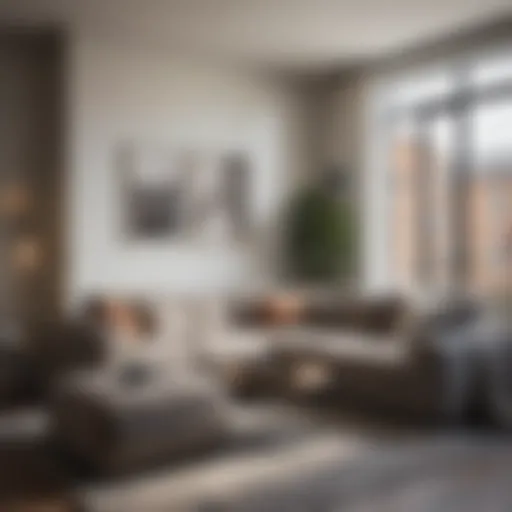
When it comes to urban décor, innovative seating arrangements can elevate the function of a room significantly. Consider a small living area furnished with a compact yet stylish sectional sofa. Pair this with sheer curtains that gently filter light. This not only creates a cozy but airy atmosphere but visually expands the space. Additional seating such as poufs or sleek lounge chairs can complement this arrangement perfectly, inviting social interactions while maintaining elegance.
Color Schemes for Urban Spaces
The color scheme defined by your curtains needs to harmonize with the overall room decor. For instance, a palette combining deep navy and soft whites can evoke a tranquil sea-inspired ambiance, even in the heart of a bustling city. Meanwhile, if a more energetic vibe is desired, opting for bold hues like vibrant fuchsia or lime green can bring life into a minimalistic setting. Mixing textures—think soft velvets against sleek cotton—adds depth and interest.
"Colors can set the mood of a space in just one glance."
Considerations for Curtain Patterns:
- Bold Patterns: These can act as focal points in a room.
- Subtle Prints: Perfect for creating a calming backdrop without overwhelming the senses.
Practical Guides
Selecting the Right Materials
Choosing the right fabric for curtains is akin to choosing the right ingredients in a recipe. An urban lifestyle often presents unique challenges, from limited space to varying light levels. Thus, materials like linen and polyester blends can offer versatility. Linen drapes beautifully, offering a relaxed feel, while polyester provides durability and easy maintenance.
Popular Materials:
- Blackout Fabrics: Ideal for bedrooms wanting total darkness.
- Lightweight sheers: To subtly diffuse sunlight while keeping privacy intact.
Care and Maintenance Tips
Maintaining your curtains doesn't have to feel like a chore. Regular dusting can prolong their life, and use a gentle cycle for washing. If you have heavier materials, consider professional cleaning every so often to maintain their luster. Remember, frayed edges or dull colors can diminish the overall charm they bring to a room.
Quick Care Tips:
- Use a handheld vacuum to remove dust.
- Follow care labels for washing instructions to ensure longevity.
In the vibrant tableau of urban living, curtains emerge as unsung heroes of design, marrying aesthetics with practicality. By embracing thoughtful choices in design and material selection, homeowners can craft spaces that are not only stylish but also resonate with their unique lifestyle.
Intro to Curtain Design
Curtains play a fundamental role in shaping the atmosphere of any space, particularly in urban living environments where space can be at a premium. Homeowners and designers alike must consider not just the aesthetic appeal of their window treatments, but how they function within the context of the overall design scheme. An understanding of curtain design is crucial for creating comfortable and inviting interiors that cater to both style and practicality.
The importance of integrating curtains into your interior design cannot be overstated. They serve multiple purposes: they control light, enhance privacy, and can even contribute to energy efficiency by adding an insulating layer to windows. Additionally, curtains can act as a finishing touch, tying together various elements of a room’s decor while also infusing it with color and texture. Choosing the right design can elevate the space, providing a sense of sophistication that reflects the personal style of the occupants.
In urban settings, where high-rises and busy streets may limit natural light and space, curtains become a crucial design element. They allow for mood enhancement and can make a compact living area feel larger and more airy when chosen thoughtfully. Factors like fabric choice, style, and color can all influence the perception of space and light.
Thus, understanding the subtleties of curtain design is vital for anyone looking to enhance their urban living space. This article delves into essential aspects of curtain design, aiming to provide both practical insights and inspiring ideas for creating harmonious and functional interiors.
The Role of Curtains in Interior Design
Curtains do more than just dress up windows; they anchor the design principles of a room. For instance, light-filtering sheers can create an ethereal quality, allowing soft, diffused light to stream in while maintaining a level of privacy. On the other hand, thick drapes can evoke a sense of warmth and coziness, drawing the eye and creating a focal point.
Consider how curtains interact with other elements in a room. The height and positioning of the curtain rods can visually raise (or lower) ceilings, while color can either complement or contrast the furniture and wall treatments. The right curtains can seamlessly blend functionality with aesthetics, enhancing the overall vibe of a space.
Historical Context and Evolution
Curtain design has a rich history, reflecting broader changes in culture, technology, and social norms. In ancient civilizations, fabric drapes served as the first forms of climate control and privacy. The Egyptians, for example, used hangings made from linen to shield their homes from heat – a practice evolved within urban settings to enhance comfort.
As centuries rolled on, the advent of new materials and means of fabrication changed how people viewed and utilized curtains. The Renaissance period brought luxurious fabrics into vogue, while the Industrial Revolution marked a significant shift with mass-produced textiles. These developments not only made curtains more accessible but also introduced an array of styles fitting for the evolving tastes of society.
Fast forward to today, curtain design continues to be influenced by global trends, sustainability concerns, and technological advancements. Urban environments often dictate a mingling of traditional and modern styles, encouraging a new wave of creativity in the art of curtain design. The journey of curtains from simple drapes to sophisticated window treatments encapsulates how functional elements can transform into statement pieces within our homes.
"Curtains showcase a unique blend of utility and style, proving that function can indeed be fashionable."
Understanding Fabric Choices
Selecting the right fabric is a fundamental aspect of curtain design, impacting both aesthetics and functionality. In urban settings, where space is often at a premium and styles are varied, understanding fabric choices becomes a vital consideration. Different fabrics can alter a room's ambiance, influence lighting, and even affect energy efficiency. This section delves into various aspects of curtain materials and their respective benefits, guiding readers to make informed decisions that elevate their living spaces.
Natural vs. Synthetic Materials
When it comes to curtain fabrics, the debate between natural and synthetic is significant. Natural materials, such as cotton, linen, and silk, lend a sense of warmth and elegance. For instance, cotton offers breathability and is easy to maintain, while linen is known for its durability and classic look. On the flip side, synthetic materials like polyester and nylon present different advantages.
Benefits of Natural Materials:
- Aesthetic Appeal: Natural fabrics typically provide a more luxurious visual effect.
- Eco-Friendliness: Being biodegradable and typically sourced ethically, they stand out in terms of sustainability.
- Breathability: They allow air to circulate, which is beneficial in humid climates.
Benefits of Synthetic Materials:
- Cost-Effectiveness: Generally cheaper than natural fabrics, synthetic options can be budget-friendly.
- Versatility: Often available in myriad colors and patterns, catering to contemporary styling needs.
- Durability: Synthetic curtains are more resistant to fading and wear, making them suitable for high-traffic areas.
Choosing between these two material types ultimately comes down to individual preference and design intent. Each offers unique benefits that cater to particular needs and styles.
Drapery Weight and Texture
The weight and texture of curtain fabric significantly influence both the overall aesthetics and functionality of window treatments. Heavier fabrics, like brocade or velvet, are excellent for creating a dramatic effect, offering substantial draping and a feeling of luxury. However, they can also block light more effectively than lighter materials, making them ideal for bedrooms or formal dining areas.
On the other hand, lighter fabrics such as sheer voile or chiffon provide an airy, soft appearance that allows light to filter through. This can brighten a small urban space while still providing a layer of privacy. In detailing the importance of texture, consider these elements:
- Visual Depth: The texture adds dimension, creating a more dynamic view in any room.
- Tactile Comfort: Varying textures can improve the overall comfort of indoor spaces, inviting touch and interaction.
- Layering Potential: Mixing textures allows for layered looks that can adapt to seasonal changes or personal style shifts.
Choosing the right combination of weight and texture enables homeowners to manipulate light and space, tailoring the curtain treatment to their specific needs and preferences.


Light Filtering and Room Darkening Options
Curtains play a significant role in controlling light levels in a space, which is especially crucial in bustling urban environments. Different fabrics and designs offer varying degrees of light filtering, which can influence both mood and energy consumption.
For example, sheer materials filter sunlight gently, brightening rooms while providing a sense of privacy; ideal for living rooms or areas where you want to bask in natural light without compromising visibility. Conversely, room-darkening materials, often labeled as blackout curtains, are specifically designed to block out light entirely. They are perfect for bedrooms where darkness is essential for quality sleep.
When selecting between these options, consider:
- Functionality: Assess the primary purpose of the room and the desired light levels.
- Energy Efficiency: Room-darkening curtains can help maintain consistent indoor temperatures, potentially reducing energy costs.
- Mood Setting: Different light levels can alter the ambiance, from bright and cheerful to serene and cozy.
In summary, being conscious of fabric choices is crucial in curtain design. It influences not just the look of a space, but also how it feels and functions on a day-to-day basis. Choosing wisely can lead to transformative results in urban living spaces, bridging elegance with practicality.
"Selecting the right fabric isn't just about aesthetics; it sets the stage for how a space feels and operates."
For more on fabric choices and their implications, you may visit relevant resources such as Britannica and Wikipedia.
Curtain Styles and Trends
The world of curtain design is as diverse as the urban landscapes in which they often reside. This section delves into various styles and trends that have emerged, enhancing both the aesthetic and practical aspects of urban living spaces. Understanding these styles not only helps in choosing curtains that fit a space's decor but also contributes to the overall atmosphere and comfort of a room. It's essential for homeowners, designers, and decorators to grasp the nuances of these styles, allowing for informed decisions that elevate living environments.
Curtains can serve different functions; they can control light, enhance privacy, regulate temperature, and significantly affect the visual appeal of a room. Therefore, it is worthwhile to consider styles that align with the functionality required by urban dwellers.
Traditional Styles: Rods and Pleats
Traditional curtain styles often rely on classic designs, emphasizing rods and pleats. These elements are not simply about keeping the fabric up; they bring a sense of elegance and structure to a room.
- Rods and Rings: Typically, curtain rods come in various materials such as wood or metal, which complement the overall decor. The rings allow curtains to glide easily, ensuring functionality alongside beauty.
- Pleats: Standard pleats offer a tailored appearance, making ceilings feel higher and rooms more refined. They are perfect for formal settings or where an elevated mood is desired.
The beauty of traditional styles lies in their adaptability; they can be easily incorporated into both classic and contemporary settings. Layering these curtains with sheer fabrics can also add depth and lightness to a space, merging the functionality with style seamlessly.
Modern Minimalist Approaches
In sharp contrast to traditional designs, modern minimalist curtains embody simplicity, functionality, and clean lines. These approaches to curtain design reflect a more contemporary ethos, ideal for urban settings where space can be limited.
- Unfussy Styles: These curtains often feature straight cuts, without elaborate designs or patterns that may distract the eye. Simple fabrics, such as cotton or linen, are commonly used for a fresh, airy feel.
- Color Palettes: Neutral tones prevail, with whites, grays, and muted earth tones as favorites. This understated approach helps make rooms feel open and spacious, fostering a calm environment.
Modern minimalist curtains are a perfect fit for urban settings, where homeowners might lean toward a sleek, modern aesthetic. They not only suit various functional needs but also adapt well to changing trends and tastes in design.
Eclectic and Layered Designs
For a more vibrant and personalized touch, eclectic and layered curtain designs offer a way for homeowners to express individual style. This trend allows for experimenting with various fabrics, patterns, and styles, making it a perfect choice for urban dwellers looking to infuse their spaces with character.
- Mixing Textures: Combining different fabrics such as silks with cotton or linen can create a lush, inviting look.
- Patterns and Colors: Bold prints alongside soft colors contribute to visual interest, making spaces feel more lively.
- Layering Techniques: Use of various layers, such as sheer curtains behind more opaque ones, can create depth and enhance privacy without sacrificing light.
Ultimately, this style not only caters to aesthetic desires but also serves as a conversation starter, providing personal narratives through decor.
"Decorating with curtains is an art, blending function with flair, making the mundane extraordinary."
The trends and styles discussed may differ, but each approach to curtain design offers unique benefits based on functionality and personal aesthetic. Urban living spaces thrive on adaptability, making the understanding of these styles essential for curating environments that are both livable and beautiful.
Color Theory and Pattern Selection
When it comes to decorating urban living spaces, color and pattern hold substantial sway over the overall aesthetic and atmosphere. The right selections in curtains can elevate a room's decor, tying together various elements of design while simultaneously expressing the homeowner's unique style. Understanding color theory and how to effectively select patterns forms a cornerstone for creating a cohesive and appealing environment.
Harmonizing with Existing Decor
To achieve a harmonious look in any room, it's crucial to consider the existing decor when selecting curtains. Color choices should complement the predominant hues of the walls, furniture, and accessories without clashing. For example, if a living room boasts neutral tones with a vibrant piece of artwork, curtains in a subtle shade pulled from that artwork can create balance.
A few strategies to keep in mind include:
- Analogous Colors: Colors that sit next to each other on the color wheel, like green and blue, can create a calming, cohesive effect.
- Monochromatic Schemes: Utilizing variations of a single color can provide depth while ensuring everything feels connected. For instance, shades of grey paired together can deliver sophistication without overwhelming the senses.
- Accent Colors: Curtains can serve as an effective way to introduce a pop of color, breathing life into a previously subdued space. A bright orange curtain against a backdrop of beige can make the area feel both inviting and modern.
In a bustling urban setting, where space can feel cramped, maintaining a consistent color palette can help create an illusion of openness. This careful blend of hues underlines the importance of thoughtful selections when it comes to curtains.
Using Patterns to Create Visual Interest
Patterns possess an undeniable ability to inject personality into a living space. They can transform ordinary curtains into focal points that evoke conversation and admiration. However, the key to using patterns effectively lies in restraint and balance.
- Scale Matters: The size of the pattern can dramatically influence a room's perception. Large, bold patterns can create striking visuals but may overwhelm small spaces if not balanced appropriately with larger furnishings.
- Mixing Patterns: While it’s advantageous to maintain harmony, mixing small scale patterns with larger ones can introduce dynamism. For instance, pairing florals with geometric designs can be visually striking when done thoughtfully.
- Context Is Key: The style of the residence matters too. A vintage-inspired pattern might look out of place in a sleek, minimalist apartment. Always consider the overall theme of your interior when selecting patterned curtains.
Ultimately, well-chosen patterns can become an expressive feature, drawing the eye and adding depth to the decor.
The Impact of Color Psychology
Color affects mood and perception; it's a concept rooted in psychology that can not be overlooked in design. The colors you choose for your curtains can have a profound impact on the feelings and energy within a space.
- Warm Colors: Shades like red, orange, and yellow typically evoke feelings of warmth, intimacy, and cheerfulness. These colors can make spaces feel welcoming, making them ideal for living rooms or dining areas.
- Cool Colors: Blues, greens, and purples contribute calmness and serenity. A bedroom with soft blue drapes, for instance, might encourage relaxation and rest.
- Neutral Colors: While less emotive, neutrals can provide a grounding effect that complements other bold colors in a room. They also allow flexibility in later adjustments of décor without a need to replace the curtains.
By consciously selecting colors that resonate with your intentions for each room, you can shape experiences and moods, enhancing the overall functionality of urban living spaces.
By the end of this section on color theory and pattern selection, it becomes evident that understanding these concepts is not merely an artistic endeavor but a strategic approach to designing living spaces that truly reflect one’s desires and lifestyle. Being intentional in your curtain choices can lead to spaces that are not only beautiful but also foster the right atmosphere.
Curtain Hardware and Installation
When it comes to dressing up windows, curtain hardware and installation are just as vital as the curtains themselves. Not only do they serve a functional role in how curtains operate—allowing them to open and close with ease—but they also contribute significantly to the overall aesthetic of a space. The right choice of rods, clips, and other fixtures can elevate a simple curtain into a design statement, enhancing the character of urban living environments.
Selecting the Right Rods and Clips
Choosing the right rods and clips can make or break a curtain setup. The variety of options can be overwhelming, yet understanding some fundamentals can help narrow down the choices.
- Material Matters: Opt for rods made of sturdy materials like metal or hardwood for durability. Hollow rods might bend under heavy drapes, while wooden ones can bring warmth to a room.
- Diameter and Strength: Thicker rods support heavier fabrics better. If you're going for velvet or lined curtains, ensure the rod can handle the weight.
- Style: Match the rod style to the curtain design. Brushed nickel rods often suit modern spaces, whereas ornately designed rods may fit more traditional settings.
For clips, consider functionality alongside aesthetics. Clip rings allow for easy manipulation, while traditional clips can add a touch of elegance. Elasticized clips can also provide versatility in terms of width adjustments.


Installation Techniques for Different Settings
Proper installation is a task that requires precision and know-how. Various settings call for different techniques, and being mindful of these needs ensures that your curtains not only look good but function well.
- For High Ceilings: If you live in a loft or an apartment with lofty ceilings, consider installing the rod higher than the window frame. This draws the eye upward, creating an illusion of more space. Use a step stool or extension pole for safe installation.
- Inside Mount vs. Outside Mount: An inside mount typically offers a cleaner look but may not adequately block light. An outside mount, on the other hand, can help in making windows appear larger, while allowing curtains to extend beyond the windows for maximum light blockage.
- Common Tools: Make sure to have the right tools on hand. A level, a drill, and measuring tape are essentials. If you're a bit on the non-diy side, employing a professional can save you time and hassle.
Maintenance of Curtain Fixtures
Just buying flashy rods and clips isn’t enough; maintaining them is crucial for long-term functionality and aesthetics. Dust and wear can mar the beauty and efficiency of your curtain hardware.
- Regular Inspections: At least once a month, check for any loose screws or clips. Tightening these up can extend the life of your fixtures.
- Cleaning: Depending on the material, a simple wipe down with a damp cloth should keep things looking sharp. For metal rods, a little polish can restore shine.
- Replacements: If something breaks or doesn’t match your decor anymore, don’t hesitate to replace it. Mix and match can lead to unique looks but make sure they harmonize or contrast elegantly.
Key Takeaway: The effectiveness of curtains relies heavily on their hardware and installation. Taking time to select and maintain the right components not only enhances aesthetics but also ensures that your curtains serve their purpose effectively.
In the realm of interior design, overlooking hardware and installation can lead to a regrettable curtains scenario. Invest in quality elements and follow recommended practices, and you can create spaces that ooze elegance and functionality.
Functional Aspects of Curtains
In the world of interior design, curtains occupy a dual role. Beyond simply serving as decorative items, they contribute significantly to the functionality of a space. Whether it’s warmth during colder months, privacy when it’s needed, or even a buffer against noise, understanding the practical aspects of curtains is crucial for anyone looking to enhance their living environment. This section dives into three essential elements: insulation and energy efficiency, privacy concerns and solutions, and sound absorption features.
Insulation and Energy Efficiency
Curtains act not just as a barrier between the inside and outside but also as insulators that can make a real difference in energy consumption. The fabric of the curtains, the way they are hung, and their thickness all play a role in thermal comfort. Heavy drapery can keep cold air out in winter, while lighter, airy fabrics tend to work well in warmer months, allowing for ventilation.
A well-chosen curtain can reduce energy bills by minimizing heat loss. Many homeowners don't realize that up to 30% of heating energy can escape through windows. Using thermal-lined curtains or blackout options can maintain the desired room temperature. As a bonus, they can also help reduce noise, another vital aspect of urban living that will be explored shortly.
"Selecting the right curtains is akin to putting on an extra layer of clothing for your home."
Key considerations for energy-efficient curtains include:
- Fabric thickness: Thicker fabrics typically provide better insulation.
- Layering: Pairing sheer and heavier materials can offer both aesthetic appeal and functionality.
- Curtain length: Floor-length curtains prevent drafts from settling at the window sill.
Privacy Concerns and Solutions
In urban environments, privacy can sometimes feel like a luxury. Thick curtains or layered designs provide a practical solution. However, it's not just about ensuring neighbors can’t peek in; it’s also about fostering a sense of security and personal space.
There are several approaches to achieving privacy while maintaining style:
- Sheer curtains: These allow natural light to filter in without compromising too much on privacy. They offer a softer transition between the outside and inside world.
- Blackout curtains: Perfect for bedrooms where light pollution may disturb sleep, they ensure complete privacy at night when interior lights are on.
- Drapery placement: Innovative hanging techniques, like ceiling-mounted rods, can create the illusion of height and sophistication while shielding away unwanted gazes.
Balancing privacy and light is an art. One should not overlook the potential for sheer or even translucent materials that can effectively manage both concerns, creating an inviting yet secure atmosphere.
Sound Absorption Features
In big cities, the cacophony of life outside becomes a constant background noise. Curtains can act as an effective sound barrier, muffling noise coming from busy streets or neighboring apartments. This makes them not only functional but also an essential part of creating a serene living environment.
Consider the acoustic properties of curtains. Heavier materials tend to absorb more sound than lighter options. Furthermore, specific wall treatments combined with appropriately chosen curtains can improve a room’s overall acoustics.
When selecting curtains for sound absorption, keep these points in mind:
- Weight of the fabric: Thicker, heavier fabrics tend to absorb sound better.
- Layering: Double or even triple layers can enhance their acoustic benefits.
- Fullness: More fabric in contact with the air can lessen sound transmission.
Integrating Curtains into Small Spaces
In urban environments, where space is often a luxury, the thoughtful integration of curtains becomes essential. Curtains serve not only practical purposes but also artistic expressions that can either enhance or hinder the overall aesthetic of a small living area. Striking a balance is key when working with limited dimensions. Utilizing curtains effectively can open up spaces, heighten natural light exposure, and create a sense of comfort.
One cannot underestimate how the right set of curtains can transform a cramped room into a cozy retreat. The goal isn't just to cover windows but to design a framework that aligns with the intent of the room.
Maximizing Light and Space
When it comes to small areas, retaining brightness is vital. Natural light can make a space feel more expansive. Light, airy fabrics such as linen or sheer cotton allow sunlight to stream in, wrapping the room in a warm glow without compromising privacy. Opting for these materials can add a delicate touch that feels relaxing rather than constrictive.
In terms of design, curtains positioned close to the ceiling creates an illusion of height. Here are several strategies:
- Sheer Fabrics: These let light in while maintaining a connection to the outside world without losing that cozy status.
- Light Colors: Soft hues reflect light more effectively than darker shades, which helps in achieving a buoyant ambiance.
- Vertical Patterns: Utilizing patterned curtains that draw the eye upward can create an impression of higher ceilings.
Choosing Appropriate Lengths and Widths
The length and width of curtains play a significant role in visually altering space. This is where custom solutions often reign supreme. When considering curtain length, it's generally advisable to go for longer lengths that puddle slightly on the floor. This design elongates the visuals of the room: a few extra inches can make a notable difference.
Conversely, for smaller windows, short curtains can feel disjointed. Instead, a good practice is to:
- Select Floor-Length Curtains: This design maintains a continuous flow and helps elongate the walls.
- Utilize Full-Width Curtains: Covering the entire window frame maximizes the influx of light and gives the illusion of broader windows.
- Avoid Excess Fabric: When windows are particularly small, avoiding bulky, heavy materials can prevent a space from feeling smaller than it is. Instead, go for straightforward designs that complement the space without overwhelming it.
"In a small home, every detail makes a difference. The right curtains don't just complete a look—they redefine the entire room's atmosphere."
Combining Curtains with Other Elements
In the realm of interior design, the interplay between different elements is key to achieving a harmonious and cohesive environment. Combining curtains with other features not only elevates the aesthetic appeal of a space but also enhances its functionality. When we talk about curtains, they are often the finishing touch that brings a room together, lending both style and comfort. Understanding how to effectively pair them with other elements is crucial for anyone looking to refine their living areas.
Pairing with Blinds and Shades
The first consideration in combining curtains is the integration with blinds and shades. This pairing is not merely about function; it's a chance to express personal style. Blinds can offer light control, while curtains provide warmth. When choosing to layer these, one must think about the material and color compatibility. For instance, a sleek, linen curtain can beautifully soften the sharp lines of a modern blind, creating a balanced look in the space.
- Benefits:
- Increased light control: Blinds can be adjusted easily to let in just the right amount of light, while curtains can be drawn back for a softer glow.
- Added insulation: Layering curtains over blinds can help with energy efficiency, keeping rooms cooler in summer and warmer in winter.
- Enhanced privacy: This combination gives you greater control over the view into your home at different times of the day.
When considering this combination, one must also pay attention to the thickness and texture of the fabrics involved. Heavy drapes paired with sheer blinds can create a stunning contrast, inviting light while still maintaining privacy whenever needed.
Creating Cohesion with Upholstery
Curtains are not just standalone features; they work best when integrated with the upholstery in a room. Cohesion between curtains and fabrics used in furniture is vital to achieving a well-tied aesthetic. When these elements sync, it pulls the room together seamlessly. Think about color tempo, patterns, and even texture when making choices.


Here are some things to consider:
- Color Coherence: The color choice of curtains should either complement or contrast with the upholstery color to create an eye-catching effect. For example, if your couch is a muted gray, choose curtains in a subtle geometric print that introduces a dash of color without overwhelming the space.
- Matching Patterns with Care: Too many clashing patterns can create visual chaos. It’s wise to choose one patterned element (either the upholstery or the curtains) while keeping the other more neutral. This technique creates depth in the design without making the room feel cluttered.
- Texture Matters: Mixing textures can add a layer of interest. A soft velvet curtain can pair exceptionally well with an understated linen sofa, striking a balance between luxe and laid-back.
When it comes to combining elements, think less about isolating each individual piece and more about how everything can play off each other.
Ultimately, the goal of combining curtains with other elements is to create a harmonious interplay that enhances the overall atmosphere of your living space. Whether it’s the softness of your drapes against the structured lines of your blinds or the complementary colors of curtains and upholstery, every layer contributes to a bigger picture that tells your personal design story.
Curtains in Different Rooms
Curtains play a pivotal role in defining the ambiance and functionality of each space within a home. They are not merely decorative items but serve critical roles in light control, privacy enhancement, and overall comfort. In urban living spaces, where every square inch counts, choosing the right curtains for each room becomes essential to achieve both style and effectiveness.
When it comes to curtains in different rooms, consider the unique needs of each space. The living room demands a blend of elegance and warmth, whereas the bedroom might prioritize coziness and intimacy. The kitchen, in contrast, calls for practicality while still being stylish. Tailoring your curtain choices to fit these specifications provides guardrails to make better design decisions, ensuring that each room feels cohesive and functionally proficient.
"Curtains are the silent storytellers of your home's design; they can whisper comfort or shout elegance depending on how you choose to style them."
Living Room Strategies
In the living room, curtains work overtime. They define the character of the space and can either complement or contrast other design elements. Opting for long, flowing drapes can create a sense of grandeur, especially in spaces with high ceilings. For those with lower ceilings, shorter curtains that hang just below the window sill can invoke a visual lift.
- Fabric Choice: Select heavier fabrics like velvet for colder months, providing warmth and insulation, while lighter fabrics such as linen or cotton are perfect for summer, allowing for a breezy feel.
- Color Scheme: Harmonizing with existing decor is vital. Choose colors that either tie all elements together or create a striking focus. Consider neutral palettes for a timeless look or vibrant shades for a pop of personality.
- Layering: Employing multiple layers offers both aesthetics and functionality. A sheer curtain can provide light filtration while a thicker curtain offers privacy and insulation. Layering also opens up possibilities for textures that elevate the overall look.
Bedroom Sanctuary Ideas
The bedroom is often viewed as a personal sanctuary, a retreat where comfort reigns supreme. Curtains here are crucial for privacy and creating an intimate atmosphere. Choosing the right curtains can transform a bedroom into a cozy haven.
- Light Control: Blackout curtains are a worthy consideration for those who prefer total darkness for undisturbed sleep. They are particularly beneficial in urban areas with streetlights or noise.
- Mood Setting: Soft, flowing fabrics can evoke tranquility, while rich textures introduce depth. Colors play a crucial role; calming hues like soft blues or muted greens can aid relaxation.
- Variety of Lengths: Floor-length curtains deliver a luxurious look, while shorter options might work better if you have radiators or furniture below the window.
Kitchen and Dining Considerations
Curtains in the kitchen and dining areas need to strike a balance between style and practicality. These spaces often face unique challenges, like moisture and cooking odors.
- Material Selection: Fabrics that can withstand a bit more wear and tear are essential. Stain-resistant materials or blends are great choices here. Faux silk or treated cotton can offer style while being easy to clean.
- Functional Styles: Consider café curtains or roman shades that allow for natural light without compromising privacy. They lend a touch of informality that’s perfectly suited for a cozy kitchen atmosphere.
- Color and Pattern: Engage the senses with vibrant patterns or warm colors that can breathe life into the room and make it feel inviting. Floral prints or checks can bring a charming touch to dining areas.
In summary, the thoughtful selection of curtains tailored for each individual room leads to enhancements that can elevate the entire home experience. Researching fabric types, styles, and functional needs can aid in making well-informed decisions that bring joy, comfort, and sophistication to urban living.
Sustainability and Eco-Friendly Curtain Options
As urban dwellings become more prominent, the need for sustainability in interior design has grown immensely. Curtains are not just decorative elements; they can also play a significant role in promoting an eco-friendlier footprint. Choosing sustainable options can help mitigate environmental impacts while often enhancing the aesthetic value of your living space.
Choosing Sustainable Materials
Sustainable materials for curtains are not only beneficial for the environment but also add distinctly appealing qualities to your home. Cotton, linen, hemp, and bamboo are among the top contenders when looking for eco-friendly fabric options. These materials offer a natural charm, are biodegradable, and generally have lower environmental costs associated with their production.
- Cotton: Opt for organic cotton to avoid the harmful pesticides of conventional cotton farming.
- Linen: Often produced with minimal resources, linen has natural benefits, such as breathability, which keeps your space feeling fresh.
- Hemp: Grows quickly and requires fewer chemicals, making it an excellent choice for eco-conscious consumers.
- Bamboo: This highly renewable resource can be blended with other materials for durability and visual appeal.
Beyond just the fabric, consider how the dyeing process can impact the sustainability of your curtains. Natural dyes generally have a lower ecological footprint than synthetic ones. Using curtains made from sustainable materials not only benefits the planet, but also brings warmth and authenticity to urban interiors.
Ethical Sourcing and Manufacturing Practices
While selecting materials is a good start, the ethics of sourcing and production also matter significantly. The journey from its origin to the final product reflects a commitment to sustainability. Look for certifications like Fair Trade and CertiPUR to ensure that the curtains you select support ethical labor practices and sustainable manufacturing methods.
Several elements can aid in guiding your choices:
- Transparency in production: Brands that openly share their manufacturing process tend to have better practices.
- Local production: Supporting local artisans and businesses not only reduces carbon emissions linked to transport but also fosters the community.
- Waste reduction: Some manufacturers focus on using leftover materials creatively, minimizing waste.
"Sustainability isn’t just about using the right materials; it’s about ensuring the entire process respects people and the planet."
In summary, when looking for curtains, consider how they align with a sustainable lifestyle. Both materials and ethical considerations can have a profound effect on the overall impact of your décor choices. Prioritizing sustainability can enhance not only the beauty of your urban living space but also contribute to a larger narrative of responsibility and care for our environment.
The Future of Curtain Design
As we look toward the future of curtain design, it becomes evident that this essential component of interior décor is evolving at a fast pace. The intersection of technology, sustainability, and changing aesthetic preferences is significantly reshaping how we view and utilize curtains in urban settings. Urban living spaces are often compact and dynamic, demanding creative solutions that not only enhance visual appeal but also improve functionality. This section provides insights into the technological advancements and automation trends that are setting the tone for curtain design, ultimately making urban homes more livable and stylish.
Technology in Fabric Development
The innovation in fabric development plays a crucial role in curtain design's trajectory. New technologies are emerging, allowing for the creation of textiles that boast improved durability and functionality, while also catering to aesthetic demands.
- Smart Textiles: These fabrics are engineered to respond to environmental stimuli. For instance, some textiles change color or opacity based on heat or light levels, offering an exquisite blend of beauty and practicality. Imagine curtains that shift their hue to complement the shifting light of the day, providing a dynamic backdrop to your living space.
- Stain Resistance Features: Modern treatments can imbue fabrics with the ability to repel dust and dirt, making maintenance less onerous for homeowners. This quality was particularly sought after in urban environments where pollutants can easily accumulate.
- Energy-Efficiency: Fabrics that contribute to insulation can significantly reduce energy costs. Certain curtain materials now reflect sunlight away from interiors during summer, keeping homes cooler without over-reliance on air conditioning.
Incorporating these innovative fabrics can elevate the functionality and visual appeal of urban living areas.
Smart Curtains and Automation
The rise of smart home technology brings us to the realm of smart curtains and automated systems. These advancements not only offer convenience but can also optimize energy use and enhance comfort in urban settings.
- Remote Control Operation: Smart curtains can be controlled via smartphones or voice-activated assistants, giving homeowners the ability to open or close them effortlessly—no more wrestling with tangled cords or climbing on chairs to adjust them manually.
- Integration with Home Systems: These automated curtains can sync with other smart technologies in a home, such as lighting systems, thermostats, and security devices, allowing for a more cohesive living experience. For instance, they can automatically close during the hottest part of the day or open at dawn, creating a harmonious flow of energy in a home.
- Privacy and Security Features: Advanced smart curtains can offer enhanced security by mimicking the lived-in look of a home when homeowners are away. Automated schedules can open and close curtains at pre-set times, providing an illusion of activity.
In summary, integrating smart curtains into urban living spaces not only adds a layer of modernity but also significantly enhances the functionality of these environments. By embracing technology in curtain design, we can create spaces that are not just aesthetically pleasing, but also smarter and more efficient.
"The curtains of tomorrow promise to be as intelligent as they are beautiful, intertwining convenience with cutting-edge design."
As urban living continues to evolve, the future of curtain design holds great promise for creating adaptable, efficient, and stunning living spaces.
Closure
Curtains play a crucial role in shaping the aesthetics and functionality of urban living spaces. As we wrap up our discussion, it's important to reflect on the key ideas presented throughout the article.
Recapitulation of Key Points
Here’s a summary of the essential points:
- Purpose and Functionality: Curtains are not just decorative; they serve significant roles in insulation, privacy, and sound absorption.
- Material Matters: Choosing between natural and synthetic fabrics can greatly affect the overall look and performance of the curtains, influencing their drape, durability, and impact on light.
- Style Selection: Understanding various curtain styles—from traditional to modern minimalist—allows one to create spaces that reflect personal taste while being functional.
- Color and Pattern: The colors and patterns chosen not only enhance the visual appeal of a room but can also influence the mood and perception of the space.
- Hardware: Selecting suitable hardware is essential for achieving the desired effect and ensuring ease of use.
- Sustainability: With growing awareness about eco-friendly options, it's viable to opt for sustainable practices in choosing materials and manufacturers.
Final Thoughts on Curtain Integration
The integration of curtains into urban living areas shouldn't be an afterthought; they should complement and enhance the surrounding décor. An effectively chosen curtain can transform a bland room into a cozy sanctuary.
However, success lies in balance and cohesiveness. It’s about finding the right look while ensuring that the curtains meet practical needs, such as light control and privacy. Whether outfitting a studio apartment or designing a larger living space, always consider the attributes of fabric, color, and style to create an environment that’s both stylish and suitable for city living.
For additional insights, consider exploring resources like Wikipedia's article on curtain history or looking at some community discussions on Reddit regarding interior design to see what others are saying about curtain trends.