Chic Drapery Ideas for Modern Urban Homes
Intro
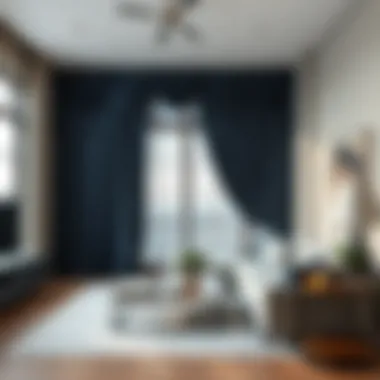
In the hustle and bustle of modern urban living, the role of window treatments often gets overshadowed by more prominent design elements. Yet, drapery has the power not only to define a room's aesthetic but also to enhance its functionality. With the right fabric, colors, and styles, curtains can truly transform a space, turning a mere room into a personal oasis. Whether you’re an interior designer, an architect, or simply a homeowner looking to shake things up, understanding innovative drapery ideas is essential. This article delves into a variety of window treatment options that balance style with practical benefits, creating an ambiance that resonates with contemporary tastes.
Design Inspiration
When it comes to setting the mood in modern spaces, drapery can be the cherry on top. Programmable smart blinds and sheer panels are taking center stage, but there’s a lot to explore beyond these functional items.
Creative Seating Arrangements
Imagine a cozy nook by the window, where sunbeams script their stories on your favorite chair. Creative seating arrangements can complement layered drapery styles beautifully. Consider the following arrangements:
- Focal Points: Position a robust armchair facing the window, allowing views to become part of the decor. Pair with a sheer curtain to let in just the right amount of light.
- Reading Corners: A compact, stylish sofa against a backdrop of full-length drapery not only frames the view but invites relaxation.
- Banquette Seating: Slip a cushion here and there around a built-in bench with heavy drapes whispering soft elegance. This creates asymmetric lines that lead the eye around the room.
Color Schemes for Urban Spaces
Color is a two-edged sword. It can either elevate a space or make it feel cramped. The right hues in your drapery can work wonders. Think of relaxing blue shades paired with earthy tones to keep it grounded, or vibrant splashes of color against muted backdrops for a punch of personality. Here are a few effective combinations:
- Neutrals and Pastels: Light beige drapes mixed with soft pink accent pillows create a serene space.
- Bold Contrast: Dark teal drapery offset by bright orange accessories can add energy to the room.
- Monochrome Magic: A grayscale palette using varying shades of gray can evoke modern sophistication while allowing subtle textures to shine.
"Drapery is not just about covering windows; it's about framing life itself."
Practical Guides
The artistry of drapery extends beyond aesthetics; practical decisions play an essential role in making your windows functional and chic.
Selecting the Right Materials
Choosing fabric can be a daunting task with so many options available. Here’s how to navigate the material jungle:
- Natural Fibers: Fabrics like cotton and linen are breathable and offer a casual vibe.
- Synthetic Materials: Polyester and blends are durable and often easier to maintain but may lack the authentic feel of natural solutions.
- Velvet and Silk: For a touch of luxury, these fabrics add richness and texture, though they might require more upkeep.
Care and Maintenance Tips
Once you’ve chosen your drapes, keeping them in tip-top shape is paramount. Consider these simple maintenance strategies:
- Dust Regularly: Use a soft cloth or vacuum lightly to remove dust, keeping the fabric looking fresh.
- Wash or Dry Clean: Depending on the material, clean your drapes every few months to prevent stains or accumulated grit.
- Mind the Sun: Direct sunlight can fade colors over time. Consider rotating your drapes or using UV-protective linings to mitigate this.
For extended reading on drapery care, check resources at Britannica and Wikipedia.
As you weave these innovative drapery ideas into your home, remember that it’s about creating a space that reflects your lifestyle and aesthetic preferences. By artfully blending function with flair, you can make your modern space feel uniquely yours.
Understanding the Role of Drapery
Drapery serves as much more than a mere fabric adorned on windows. It plays a pivotal role in transforming spaces, offering both practical solutions and a canvas of personalization. In modern homes, where every square inch is scrutinized for its utility and aesthetic, drapery emerges as a significant element that can elevate the overall atmosphere.
When discussing drapery, its primary functions might come to mind—light control, privacy, and insulation. These are undeniably crucial aspects. However, overlooking the deeper implications of its designs and materials can lead to missed opportunities for enhancing a room's character.
"Drapery isn't just about blocking light; it's about creating a mood and defining a space."
Functionality in Window Treatments
Functionality encompasses various elements when it comes to window treatments. At the heart of the matter, the well-chosen drapery can regulate sunlight, keeping interiors cool during sweltering summer days while retaining warmth during the winter. This was not just a trendy thought but a practical consideration for homeowners aiming for energy efficiency.
Moreover, privacy remains a vital concern. In densely populated urban areas, where the boundaries between indoor and outdoor lifestyles blur, strategically chosen drapes allow individuals to shield their personal spaces from prying eyes.
Drapery can also offer unique structural benefits—light-filtering options can create a gentle ambiance suitable for relaxing evenings, all while maintaining the ability to completely blackout rooms when necessary.
Aesthetic Appeal and Design
On the flip side, drapery should never be scrutinized solely through the lens of functionality. The visual impact that drapes possess can dramatically elevate a mundane room into a vibrant living area. Often utilized as the exclamation point of a room’s design, they allow homeowners to express their personality and style.
When it comes to aesthetics, the selection of fabric, color, and pattern plays an essential role. The same room can yield entirely different vibes with a switch between heavy, rich velvet drapery and sheer, airy linen. The mixture of textures and patterns and how they interact with other design elements—like furniture and wall colors—matters a lot.
Equally important is how these elements may contribute to a more cohesive design theme. Bold color choices can serve as statement pieces, reviving a subtly decorated space, or they can harmonize with more minimal, understated decor, creating a layer of depth and intrigue.
In sum, understanding the dual role of drapery—both as a functional element and a design statement—is essential for anyone looking to optimize their living environment. The drape's ability to blend functionality with aesthetic tenets represents a foundational principle for every interior designer and homeowner aiming for a thoughtful, cohesive living space.
Types of Drapery Fabrics
Drapery fabrics play a pivotal role in defining the ambiance and functionality of modern spaces. Making the right fabric choice can dramatically affect not only the appearance of a room but also its practicality. By understanding the different types of fabrics available, one can tailor their window treatments to fit specific styles and needs, ensuring that every drapery installation serves a dual purpose: enhancing aesthetics while fulfilling functional requirements.
Natural vs. Synthetic Fabrics
When it comes to drapery fabrics, a fundamental distinction exists between natural and synthetic fibers. Natural fabrics, such as cotton, linen, or silk, often evoke a warmth and texture that synthetic materials struggle to replicate. For instance, a cotton drape can feel organic and breathable, promoting a sense of comfort in living spaces. On the other hand, synthetic fabrics like polyester or nylon offer durability and resistance to fading, making them suitable for high-traffic areas or homes with children and pets.
A key consideration between these two types involves maintenance. Natural fabrics can demand a bit more care. They might be more prone to staining or fading over time, while synthetic options can often be wiped clean or withstand sun exposure better. Hence, understanding the specific needs of your space is crucial in selecting the appropriate fabric type.
Weighted and Light-Diffusing Fabrics


Weighted fabrics provide an element of sophistication to drapery, helping it to hang well and present a polished look. Heavier materials like velvet or thicker weaves not only add gravity to the drapes but also enhance their ability to insulate against temperature fluctuations. This is especially beneficial in regions with unpredictable weather patterns. Conversely, light-diffusing fabrics—like sheer curtains—allow natural light to filter in while maintaining a level of privacy.
It’s worth noting that the balance between weight and light diffusion can create a harmonious atmosphere in any living environment. For example, layering a heavier drape over a sheer panel can provide flexibility; homeowners can enjoy both privacy and filtered light without sacrificing style.
Linen, Cotton, and Velvet Attributes
Each fabric brings its own personality into a room. Linen is known for its breathability and light texture. It drapes beautifully, adding a relaxed aesthetic that pairs well with modern coastal or farmhouse styles. Cotton, widely cherished for its versatility, comes in various weights and patterns, allowing for endless customization—from bright graphic prints to muted colors.
Velvet, on the other hand, introduces luxuriousness and opacity. Its lush surface can add a touch of glamour to any space, making it a preferred choice for more formal areas or those wanting to make a statement.
Some considerations when selecting fabrics like linen, cotton, or velvet include:
- Durability: Understand how each fabric holds up over time, considering daily use.
- Cleaning Requirements: Some fabrics require special care or dry cleaning, which can affect their practicality in certain households.
- Budget: Often, natural fabrics can carry a higher price tag than synthetic options, influencing purchasing decisions.
Overall, choosing the right fabric goes beyond visual appeal; it encapsulates the essence of how a space is utilized and enjoyed.
Color Schemes and Drapery
Color is a powerful tool in interior design, especially when it comes to window treatments like drapery. The colors of your drapery can dramatically influence the ambiance of a space, making it feel cozy, vibrant, or sophisticated. In modern settings, where open floor plans and minimalism often reign, the right color scheme can anchor the room and tie together various elements cohesively. An understanding of how colors interact with light, surrounding decor, and even the emotional responses they evoke can guide choices in fabric and style.
Subtle nuances in color can reflect personal style or place emphasis on architectural features. Thus, it’s crucial to consider your overall design goals when selecting drapery colors. Besides aesthetics, colors also play a role in functionality, affecting factors like light control and functional intention.
Neutral Palettes for Urban Interiors
Utilizing neutral palettes has become a popular choice for urban interiors. Shades of beige, gray, and white offer a backdrop that is timeless and versatile. Neutrals can seamlessly blend with any design theme, allowing furniture, artwork, and decor to shine without overwhelming the room. Furthermore, neutral drapery helps create a serene atmosphere, ideal for relaxation in busy city life.
Additionally, neutral colors often enhance natural light, making spaces feel larger and more inviting. Here are a few reasons why opting for neutral drapery works:
- Versatility: They can complement almost any color scheme.
- Timelessness: They never go out of style, keeping the decor fresh and relevant over the years.
- Floor Play: Neutral palettes work well with flooring materials, aging gracefully alongside them.
In an urban context, where spaces may often feel cramped, using sheer neutral fabrics can keep the illusion of expansiveness.
Bold Colors as Statement Pieces
On the flip side, there’s something to be said for bold colors. Using vivid hues like emerald green, sapphire blue, or fiery red can create a striking focal point within a room. Drapery in bold colors can encapsulate the spirit of modern design, and they serve as conversational starters within a space.
A vibrant pair of curtains can break through monotony and add unexpected flair. Here’s how:
- Energy: Bold colors inject life into a room, enhancing its character and vibrancy.
- Contrast: By contrasting vibrant drapery against muted walls or furnishings, you create a visual dynamic that keeps the eye engaged.
- Expression: Individuals can express their personality and preferences through daring choices.
While bold colors can be daring, they are also a commitment. It's essential to balance these statement pieces with subtler elements in the room to avoid sensory overload.
Patterns and Textures for Depth
Incorporating patterns and textures into drapery adds layers of depth to your space. Patterns can range from geometric shapes to organic designs and floral motifs. They serve dual purposes: enhancing aesthetic quality while also bringing interest and complexity to the room. Textures, such as velvet, linen, or silk, can create visual intrigue by interacting with light differently. They not only contribute to the aesthetics but also play a role in the material experience within a space.
Here’s why patterns and textures are key in modern drapery:
- Visual Interest: Patterns can break up large surfaces and create focal points without being overbearing.
- Added Dimension: Textures add richness to the decor, allowing for more tactile engagement with materials.
- Stylistic Versatility: Whether you prefer retro, contemporary, or bohemian styles, there's a pattern to suit every taste.
Over time, the interplay of different textures and patterns can transform even the simplest of spaces, making them feel collected and curated rather than flat and uninviting.
"In the world of interior design, colors are as infinite as the variations of the human experience—they can transport us, transform our environment, and echo who we are at our core."
Drapery Styles and Trends
Drapery styles and trends stand at the intersection of innovation and tradition, offering countless possibilities for those wishing to enhance their living spaces. This aspect is crucial when considering how drapery not only affects the aesthetics of a room but also influences its functionality. Effective window treatment can dramatically shift both light and mood, making it essential for homeowners, designers, and architects alike to stay in tune with the latest trends while also respecting timeless design principles.
When using drapery as a design element, it’s paramount to understand the character and atmosphere each style can bring to a space. Whether aiming for sleek American minimalism or rich, layered aesthetics, the right drapery can act as a catalyst for creating an inviting environment. A bit of insight into current trends can help in making choices that are not just beautiful but also serve practical purposes until to become a harmonious part of the overall design.
Classic Drapery: Timeless Sophistication
The classic drapery style is often characterized by its elegance and ability to convey a sense of timelessness. Utilizing fabrics such as silk or heavy brocade, classic drapery typically involves structures such as pinch pleats. These treatments can evoke nostalgia while seamlessly blending with various decor styles, whether traditional, transitional, or modern. Notably, this method draws the eye upward, enhancing the feeling of height within a room, which often gives a feeling of grandeur.
In practical terms, classic drapery provides excellent insulation and light control. When it comes to maintenance, choosing high-quality fabrics ensures that their appearance endures the test of time, maintaining both beauty and functionality. However, it's essential to consider that in contemporary contexts, excessive ornamentation could stall the desired modern aesthetic. Therefore, opting for simpler finials and subtle color palettes can keep it fresh while maintaining its timelessness.
Contemporary Minimalist Approaches
Heading into more modern territory, contemporary minimalist approaches to drapery emphasize clean lines and unfussy designs. This style prioritizes functionality without going overboard with ornamentation. Fabrics like sheer linen or cotton blends create airy impressions, allowing natural light to filter through while providing just enough privacy.
"Less is more" becomes a golden rule in these designs, where the focus is on enhancing the natural elements of a space rather than overshadowing them. Simple, low-profile rods or track systems further serve to maintain the uncluttered look.
Homeowners may notice that contemporary minimal drapery often integrates with smart home systems. Automated shades or curtain tracks can elevate the experience, allowing for easy adjustments depending on the time of day, without sacrificing style. This trend aligns perfectly with the needs of busy urban dwellers, where functionality must coexist with aesthetic desires.
Eclectic and Layered Drapery Designs
In contrast to more traditional styles, eclectic and layered designs embrace variety and creativity. This approach allows individuals to tell a story through various fabrics, colors, and textures. Drapery can be layered in different ways, combining sheer panels with heavier materials to achieve allusions of depth and interest.
Layering not only enhances visual appeal, but it also creates practical benefits, enabling better light control and insulation. Mixing patterns and textures can be seen as a means of personal expression—bold geometrics paired with soft florals may seem surprising, but when done thoughtfully, they create dynamic spaces that celebrate uniqueness.

A great guideline here is to have a primary hue or theme from which to work. Selecting a common color palette can keep the design cohesive despite the multiple elements at play. Long, flowing sheers with weighted curtains or valances could work hand-in-hand, modernizing what has traditionally been a somewhat rigid styling concept. Ultimately, it allows homeowners to curate a personalized living space that exudes warmth and individuality.
In summary, aligning drapery styles with current trends while maintaining functionality can open a world of potential for creating stunning and livable spaces. Whether leaning towards the classical, the minimalist, or the eclectic, the selection of drapery can make all the difference, affirming one’s design approach and personal touch.
Functional Considerations
When it comes to drapery window treatments, understanding the functional aspects is essential for making informed decisions that align with both lifestyle needs and aesthetic goals. Functionality ties together how treatments affect light, privacy, temperature, and overall maintenance. Not every window treatment offers the same benefits; thus, it’s vital to assess how drapes can harmonize these functional elements while elevating your space's style.
Privacy Versus Natural Light
One of the linchpins of drapery selection lies in the balance between privacy and natural light. Homeowners often grapple with wanting to let in bright sunlight while shielding their living areas from prying eyes. Heavy, lined fabrics can effectively block outside view, making them an ideal choice for bedrooms or living rooms where privacy reigns supreme. However, for areas that thrive on daylight—like kitchens or study spaces—sheer fabrics can provide that much desired luminosity without sacrificing too much privacy.
A savvy approach is to layer drapes, combining heavier curtains with translucent sheers. This dual-function setup allows for versatility: pull the heavier drapes shut for utmost seclusion in the evening, while during the day, sheer panels can filter sunlight beautifully, creating a soft, radiant ambiance. Remember, the right choice can also minimize glare on screens and protect furniture from fading, making smart drapery a dual-functioning solution.
Energy Efficiency and Insulation
Inside any modern home, energy efficiency has become more than just a buzzword; it's a practical necessity. Draperies can play a pivotal role in maintaining desirable temperatures inside your home. Lined or thermal-insulated drapes help to regulate indoor climates by preventing heat loss in the winter and keeping spaces cool in the summer.
Using fabrics with insulating properties can significantly reduce energy consumption, as you won't be cranking up the heating or air conditioning system as frequently. Beyond energy savings, this contributes to a more comfortable living environment, leading to a less drastic temperature change when transitioning from indoors to outdoors. Choosing the right fabric and layers will not only impact your energy bills but also add a layer of coziness during chilling winter nights.
Maintenance and Care of Drapery
While aesthetics take front and center, it’s essential to consider how easy or difficult a drapery choice will be to maintain. Some materials, while stunning, may require frequent cleaning or special care—this can be a drawback for those with hectic schedules. On the other hand, fabrics like polyester or blends can offer visual appeal with low-maintenance needs which is especially ideal in households with children or pets.
In terms of care, it’s advisable to check label instructions regarding washing or dry cleaning. Regular dusting with a vacuum attachment will help keep drapes looking their best. For a deeper clean, knowing when and how to launder or send to the cleaner plays an integral role in longevity. Proper maintenance can ensure that your draperies not only aid in functionality but continue to enhance your home’s aesthetic over time.
"Effective drapery isn't just about looks; it's about how well they serve your living space and your day-to-day needs. Making informed choices ensures that they serve their purpose efficiently."
In summary, functional considerations in drapery go hand in hand with the overall aesthetic vision. Looking at privacy, energy efficiency, and maintenance helps create an intelligent selection that suits the unique needs of modern spaces.
Innovative Installation Techniques
In the realm of contemporary interior design, the way you install your drapery can profoundly influence both the aesthetics and functionality of a space. Innovative installation techniques not only provide practical benefits but also enhance the overall visual appeal of your windows. Properly installed drapery can frame a view, control light effectively, and even contribute to the sense of space in a room. When approaching drapery installation in modern spaces, consider the following elements to achieve optimal results.
Drapery Rods and Hardware Types
Choosing the right drapery rods and hardware is crucial. You can find a variety of options available, each offering distinct looks and functionalities. Traditional rods tend to provide a classic look, perfect for grand or vintage interiors. Meanwhile, tension rods and track systems are great for minimalist themes, as they have a more subdued presence.
Use this brief guide to understand the common types:
- Wooden rods: Adds warmth and texture to a space; ideal for rustic or traditional designs.
- Metal rods: Offers a modern touch and incredible strength; excellent for heavier fabrics.
- Corded systems: These convenience-oriented options allow for easy adjustment without reaching up, ideal for larger windows.
A key takeaway is that durability and style should go hand in hand, so it can be beneficial to explore different combinations that suit your vision.
Ceiling-Mounted vs. Wall-Mounted Options
Deciding between ceiling-mounted and wall-mounted installation can significantly change the appearance of your drapery and the room as a whole. Each style carries its own advantages and helps in defining the space.
- Ceiling-mounted installations: They can create the illusion of taller windows. This technique pulls the eye upward, making the room feel airier and larger—perfect for low-ceilinged spaces. Additionally, this mounting option allows for seamless integration where drapery meets the ceiling, avoiding visible hardware.
- Wall-mounted installations: They allow for more flexibility when it comes to sheer curtains and can enable the panels to draw fully to one side, enhancing natural light. This method works well in rooms with ample wall space.
Whichever route you choose, consider factors such as ease of use and how much light control is desired.
Hanging Styles: Pinch Pleats and Grommets
Understanding drapery hanging styles can significantly impact the flow of your drapery and its overall effectiveness in the space. Two popular choices are pinch pleats and grommets, each presenting a unique aesthetic and functional benefit.
- Pinch pleats: This classic style creates a tailored, formal appearance. The pleats gather at the top, allowing the drapes to hang elegantly and contour around the window. They also offer a structured look that can enhance grand or traditional interiors.
- Grommets: On the other hand, grommets provide a casual, contemporary feel. With metal rings sewn into the fabric, they allow for smooth gliding along the rod. This functional aspect makes them an excellent choice for heavier materials and for those who prioritize practicality without sacrificing style.
"Choosing the right hanging style not only defines how light enters the room but also sets the tone and mood of the space."
By carefully considering these installation techniques and styles, you can elevate the overall ambiance of your home, creating a space that is not only functional but also stunningly beautiful.
Integration with Other Design Elements
In the world of interior design, every element speaks, and drapery is no exception. It plays a crucial role, binding various aspects of a room together. When considering window treatments, one should think about how drapery integrates with other design elements. This could mean assessing its relationship with furniture, the architectural features of the space, and how it coexists with other window treatments. Remember, it’s all about harmony and functionality.
Drapery acts as a bridge among multiple design features. It is not just about aesthetics, but also about creating a cohesive narrative in your space. The martial choices, colors, and styles of drapery should enhance rather than overshadow the other elements at play.
Cohesion with Furniture Styles
The furniture in a room often dictates the vibe of the space, and drapery should complement this. If your main pieces are vintage—say, a mid-century modern sofa or an ornate antique table—opt for curtains that echo these themes. You wouldn’t throw in some ultra-modern drapery that clashes with your vintage style. Rather, focus on fabrics, patterns, and colors that resonate with the furniture's material and shape.
For instance, if the furniture is of raw wood, softer, earthy tones in your drapery can enhance warmth. Fabrics like linen or canvas can also contribute to a more relaxed, inviting atmosphere. Similarly, if your decor is sleek and contemporary, bold geometric prints can elevate the overall aesthetic and make a striking statement.
- Key Considerations:
- Match textures: If your furniture has a plush feel, consider drapery that reflects that softness.
- Think about color schemes: Use complementary colors to add a visual appeal.
Mixing Drapery with Blinds and Shades
There’s a rising trend in layering elements of window treatments. Combining drapery with blinds or shades not only elevates style but also serves functional purposes. The height of creativity can be reached by mixing textures and colors. For example, you might choose sheer drapes paired with bamboo shades. This combination allows for diffused light while providing the option for privacy.
Benefits of Combining:
- Versatility: Adjust light levels easily, switching between just the blinds for privacy or the full drapery for a cozier scenario.
- Enhanced Style: Layering different textures gives a multidimensional look. Don’t be afraid to experiment with contrasts, but aim for a consistent theme.
Be conscious of maintaining a balanced look. Too many patterns or textures can leave the eye feeling chaotic. Keeping a portion of elements consistent, such as color palette, allows the different window treatments to coexist without fighting for attention.
Incorporating Drapery into Space Planning
When it comes to the overall layout of a room, the positioning of drapery can significantly enhance functionality. Think about the proportions of your space and how the drapery's size complements the architecture. For example, long floor-to-ceiling drapes can trick the eye into seeing taller ceilings. Conversely, short drapery can make a room appear cramped.
A few points to ponder:
- Placement: Where drapes fall can set the mood; hung wider than the window can create a more expansive feel.
- Functionality: Do you want them to open fully to let in light, or do you prefer a more layered approach?
To truly maximize space, consider the use of ceiling-mounted tracks that help create visual height. Also, do not underestimate the power of astonishing tiebacks. They can be a focal point while also enhancing accessibility to outdoor views when the fabric is pulled aside.
"When you choose drapery, you're not just selecting a window covering, but rather a significant design element that enhances your overall space."
Custom Drapery Solutions
Custom drapery solutions represent a vital component within the landscape of modern interior design. Tailoring treatments to fit individual needs aligns aesthetic appeal with functionality, ensuring that each piece serves not only as a decorative element but also as a practical solution. This section dives into why custom drapery should be a consideration for anyone looking to enhance their living or working spaces.
Bespoke Designs for Unique Spaces
When one thinks of bespoke designs, images of luxury may come to mind, yet it's more about creating functionality that resonates with your specific environment. Tailoring drapery to the dimensions and style of a room adds a personalized touch that off-the-shelf products simply cannot deliver. Consider a small studio apartment where maximizing light and space is crucial. Custom treatments can be designed to elongate the appearance of walls or create the illusion of heightened ceilings using vertical patterns or a tailored length that kisses the floor without dragging.
"In the world of custom drapery, the fitting is the key. A well-measured curtain can change the entire atmosphere of a room."
Bespoke designs also allow for the selection of unique fabrics and colors that complement existing decor while standing out as statement pieces. Whether you're after sheer linens for a bright, airy feel or heavier materials for a more dramatic look, the options are as varied as the spaces they inhabit. Custom drapery can effectively bridge gaps between different styles within a home, making mismatched rooms feel cohesive and well thought out.
Working with Textile Designers
Collaborating with textile designers can elevate the drapery game significantly. While DIY options are abundant, experienced designers bring an expertise that ensures the fabrics not only look good but also perform well in terms of durability and maintenance. They can guide choices based on the unique needs of your space, whether it’s ensuring UV protection, stain resistance, or maximizing thermal insulation.
Such collaboration can lead to a rich understanding of fabric properties. For instance, silk might be beautiful but its delicate nature requires careful handling and direct sun avoidance. A knowledgeable designer will suggest alternatives that balance beauty with practicality.
Also, working with a textile designer opens the door to exclusive patterns or prints that might not be available in the market, giving your drapery a true one-of-a-kind flair.
Smart Technology Integration in Drapery
With the rise of smart homes, integrating technology with drapery can significantly enhance user convenience and efficiency. Devices that automate the opening and closing of curtains based on time or brightness can provide seamless transition throughout the day. Imagine waking up to softly drawn curtains that gently pull back as sunrise approaches, bathing your bedroom in natural light without any effort on your part.
Moreover, smart drapery systems can enhance privacy and security. Sensors can be programmed to close drapes in the evening, making it less obvious when someone is home. These solutions marry form with function and provide an extra layer of modernity that many homeowners seek today.
In summary, custom drapery not only serves the dual purpose of aesthetics and functionality but brings in a level of personalization that off-the-shelf products often lacks. From bespoke designs that speak to your individual needs, through collaboration with skilled textile designers, to the integration of smart technology, the possibilities are rich and varied, ensuring that your windows become a defining feature of your living or working space.
Seasonal Drapery Adjustments
When it comes to home decor, drapery isn’t just about aesthetics; it’s also a crucial component that adapts to the seasons for both functionality and style. Seasonal drapery adjustments allow homeowners to transition their spaces with the changing weather, adding comfort, style, and energy efficiency all in one go. Given the fluctuating temperatures and light levels throughout the year, it’s important to consider how soft furnishings can enhance or curb the elements inside a home.
Adaptable Drapery for Weather Changes
Drapery can be an effective agent in regulating indoor climates, particularly in homes that face extreme weather conditions. Here are a few benefits to think about when considering adaptable drapery:
- Thermal Regulation: Heavier fabrics can provide insulation during colder months, keeping the warmth indoors. Conversely, lighter, airier fabrics can allow for pleasant breezes in hot weather.
- Flexibility: Adjustable drapes can be shifted and altered to suit the time of year. For instance, side panels can be drawn back during sunny days in winter to let in warmth.
- Enhanced Privacy: During summer, it’s common for people to want to keep windows open for fresh air, while in colder months, the inclination is towards a cozier environment.
To achieve effective functionality, consider using a mix of layered drapery. A sheer day curtain allows for light and a beautiful view during the day, while a heavier, opaque drape can be used at night for privacy and warmth.
Summer vs. Winter Fabrics
Understanding the differences between fabric choices for summer and winter is key to ensuring your drapery serves its purpose. Here’s a quick guide to navigate through fabric selections:
- Summer Fabrics: Lightweight materials like linen or cotton are ideal for summertime settings. Their breathability makes them perfect for keeping your space airy and fresh, ideal for sunny days. Light colors reflect sunlight and bring cheerful warmth without overheating the home.
- Winter Fabrics: Heavier options, such as velvet or thermal-lined textiles, offer substantial insulation. These thicker fabrics absorb sound and maintain warmth, shielding against chilly drafts. Opting for richer hues can evoke a more cozy and intimate setting when the colder months arrive.
"Seasonal changes in drapery not only enhance the function of your windows but reflect the very essence of seasonal transformation in the home."
Epilogue
When we take a step back to examine the role of drapery in our modern spaces, it becomes clear that these fabric layers are more than just decorative enhancements; they are integral pieces that inform the overall style and functionality of a room. This article has provided insights into various aspects of drapery design, weaving together the aesthetic appeal and functional necessities that one must consider when selecting window treatments.
Recap of Key Insights
To recap, here are the key points that have been elucidated in this article:
- Functionality Matters: The right drapery not only provides privacy but also can control light, impact energy consumption, and offer insulation. Understanding these aspects lets you choose treatments that serve your specific needs.
- Fabric Choice is Crucial: With options ranging from luxurious silk to breathable linen, the selection of fabric should align with both the intended style and practical function, ensuring durability and ease of maintenance.
- Color and Pattern Play a Role: The colors you choose can dramatically influence the mood. Neutral tones may promote calmness, while bold patterns can showcase personality and vibrancy.
- Installation Styles Can Define Spaces: From ceiling-mounted rods to decorative hardware, the installation method offers an opportunity for creative expression and can significantly affect the room's overall aesthetic.
- Customization Leads to Uniqueness: Tailoring your drapery solutions to suit your specific space is essential. Collaborating with textile designers or including smart technology can enhance both visual appeal and practicality.
Encouragement for Personalization
One of the most compelling aspects of drapery is its adaptability. The ability to personalize window treatments means that you can carve out a space that truly reflects your taste and lifestyle. Here are a few considerations to stir your creative juices:
- Mix and Match: Don’t hesitate to play with different styles. Combining sheer curtains with heavier drapes can create a visually striking dynamic.
- Explore Local Textiles: Search out local artisans for fabric that carries a regional character and story, which can add a unique flair to your home.
- Think Beyond Traditional: Who says drapery has to hang from a rod? Consider using tension wires or clip rings for a more modern, casual look.
"Drapery is the frame within which the windows tell their story. Each choice adds another layer to the narrative of the space."
For more insights on interiors, feel free to explore articles and resources on platforms such as Britannica and Wikipedia for in-depth scholarly insights and discussions.