Examining Bathroom Mirror Cupboards: Design & Functionality
Intro
In modern urban living, where space often comes at a premium, every inch of a home is crucial. In the bathroom, a mirror cupboard serves not just as a reflection tool but also as a multifunctional storage unit. This becomes particularly relevant in bustling city homes, where optimizing space while maintaining style is essential.
Bathroom mirror cupboards offer more than mere aesthetics; they blend functionality with design. The interplay between a visually appealing cabinet and the practicality of storage can elevate the overall experience of this intimate space. Think about it—after a long day, the bathroom becomes a sanctuary, and how one organizes their essentials can deeply impact the sense of tranquility it provides.
As we delve deeper into this article, we’ll uncover the diverse design inspirations behind mirror cupboards, practical guides for selecting materials, and tips for maintenance. This meticulous exploration aims to equip homeowners, designers, and retailers with insightful information, fostering informed choices that lead to enhanced interiors.
Thus, understanding mirror cupboards' roles goes beyond surface-level appreciation; it’s about creating an enriching environment that merges style with purpose. Let’s set the stage for this journey by examining the design concepts that inspire contemporary bathroom trends.
Prologue to Mirror Cupboards
Mirror cupboards play a unique role in the modern bathroom, merging functionality with aesthetic appeal. Their significance transcends mere decoration. They serve as practical solutions for storage, organization, and even lighting. As personal grooming spaces evolve, the need for efficient designs that enhance both usability and style becomes paramount.
Definition and Purpose
In basic terms, mirror cupboards are cabinets that combine mirrors with storage capabilities. They effectively hide toiletries, medicines, and other bathroom essentials, while the reflective surface offers an opportunity for checking appearances as well as brightening up the room.
The purpose of these cupboards is multi-faceted. Firstly, they help in optimizing space, crucial in often cramped bathroom environments. Secondly, they contribute to the overall design aesthetic of the room, providing a seamless or striking focus depending on the homeowner's choice. This dual utility can eliminate clutter, aiding in creating a tidy, well-organized space.
Encasing mirrors with cabinetry not only reflects physical likeness but also adds depth to the ambiance. Through strategic placement and design choices, mirror cupboards invite light and create a sense of airiness.
Historical Overview
Historically, the evolution of mirror cupboards parallels advancements in interior design and functionality. Initially, mirrors were standalone pieces with little regard for storage. In the early 20th century, as bathrooms shifted from pure utilitarian spaces to areas of personal solace, the need for integrated designs emerged.
Notable is the transition from simple wooden cabinets to modern versions featuring intricate designs, incorporating various materials. The shift mirrored changing societal norms, where bathrooms became sanctuaries of relaxation.
By the late 20th century, the trend saw a surge in compact, effective designs catering to urban dwellers. In recent days, advancements in manufacturing have fostered innovation, leading to creative uses of space and technology.
The humble mirror cupboard has transformed, now a staple in contemporary bathroom designs. With sustainability rising in popularity, options for eco-friendly materials are becoming available, further enriching the landscape of bathroom decor.
“A mirror cupboard is not just a storage solution; it is a reflection of the space's essence.”
Design Styles of Mirror Cupboards
When it comes to designing a bathroom, the mirror cupboard isn’t just a functional piece of furniture; it’s a focal point that can set the tone for the entire space. The various design styles of mirror cupboards have significant implications on aesthetics and functionality, making them a crucial consideration for anyone interested in optimizing bathroom interiors. From sleek contemporary lines to rustic charm, the choice of style can enhance both beauty and usability. Investing time in selecting the right design means considering how it fits not only personal taste but also the broader style of the bathroom. Let's delve into the details of different design styles that elevate the role of mirror cupboards in bathrooms.
Contemporary Aesthetics
Contemporary mirror cupboards embrace minimalist principles that often employ sleek lines, smooth surfaces, and a focus on functionality. Such designs typically showcase features like integrated lighting, hidden storage compartments, and smooth, polished finishes. One popular material in this category is high-gloss acrylic, often combined with metal accents, which creates a smart, futuristic vibe suitable for modern spaces. Here are a few elements often found in contemporary designs:
- Simplicity: Clear, uncluttered designs are the hallmarks of contemporary style.
- Smart Features: Incorporating LED lights or touch-sensitive openings can add a modern twist.
- Neutral Color Palettes: Whites, blacks, and grays dominate, offering versatility.
This style caters particularly to urban dwellers who often work with limited space and seek to make the most out of every inch, making it a breeze to keep essentials organized without sacrificing style.
Classic and Timeless Designs
On the other end of the spectrum, classic and timeless mirror cupboards focus on elegance and tradition. These designs often feature intricate moldings, rich woods, and decorative hardware that evoke a sense of nostalgia. They provide a warm, inviting feel that can transform a bathroom into a serene retreat. When choosing classic styles, consider the following:
- Quality Materials: Solid wood and glass with vintage detailing are common choices.
- Ornate Elements: Finer details, such as carved decorations or distressed finishes, add character.
- Color Variety: Dark woods and soft pastels are often seen, providing a traditional charm.
A classic design stands the test of time, appealing to those who appreciate enduring beauty over fleeting trends. It’s ideal for creating a comforting, more personal environment that tells a story.
Rustic and Industrial Approaches
Rustic and industrial styles are rising in popularity, particularly among homeowners looking to inject personality into their bathrooms. This design aesthetic draws inspiration from nature and urban warehouses alike. Forget about sterile-looking spaces; instead, picture warm woods paired with metal fixtures and reclaimed materials. Essential features of these styles are:
- Natural Textures: Raw wood and exposed metal create a rough yet stylish character.
- Earthy Colors: Natural tones, such as browns, greens, and grays, resonate well with this aesthetic.
- Functional Design: Designs often integrate open shelving to emphasize practicality alongside beauty.
Rustic and industrial mirror cupboards can create a relaxed atmosphere, appealing to those who appreciate the charm found in imperfection and authenticity. These styles often tell a story about the materials used, making each piece unique.
Material Choices for Mirror Cupboards
When it comes to mirror cupboards, the material selection can make or break the final aesthetic and functional outcome. The interplay between style, durability, and maintenance demands attention to detail. Different materials offer distinct attributes that influence the cupboard's performance in a bathroom setting. From moisture resistance to visual appeal, each choice comes with its own set of considerations that cater to different tastes and needs.
Glass Types and Finishes
Glass is at the forefront of mirror cupboard design, providing an elegant touch and ensuring practicality. There are various types of glass that you can choose from:
- Mirrored Glass: The classic choice, known for its reflective properties, making a small space appear visually expansive. There's a myriad of finishes, from standard to antique, which can influence ambiance.
- Frosted Glass: Ideal for those seeking privacy while maintaining a modern edge. This type can diffuse light softly, providing a warm glow without compromising on brightness.
- Tinted Glass: Offers a unique aesthetic twist. Depending on the color, tinted glass can infuse a sense of calm or drama in a bathroom.
A smart finish can enhance usability. Textured or safety-coated glass can greatly reduce the risk of breakage while adding a tactile quality. Each finish you consider might also affect light reflection, which is paramount in compact areas where bathrooms tend to be.
Wood Considerations
Wood brings a tactile warmth that's hard to replicate. Choosing wood for your mirror cupboard isn't just about aesthetics; it’s about understanding how materials can withstand a bathroom’s moist environment.
Here are some key considerations:
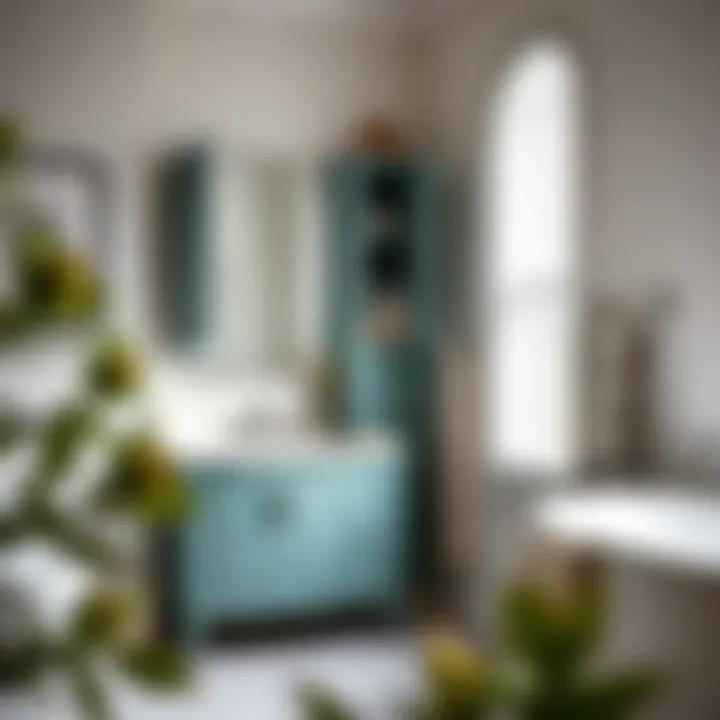
- Type of Wood: Solid woods, like teak and mahogany, are generally more resilient against moisture despite their higher cost. Plywood and MDF can work too but be wary of how they’re maintained. They can warp if exposed to humidity for too long.
- Finish and Sealants: Protective coatings can extend a wood cupboard's lifespan, with oil-based stains or varnishes providing better moisture protection. However, ensure the finish aligns with your desired look, as some may alter the natural color or grain of the wood.
Remember that wood ages uniquely, often gaining character over time. A careful selection can lead to a timeless design, appealing to those drawn to natural materials.
Metal and Synthetic Options
As we advance into the realm of contemporary design, metal and synthetic materials have gained traction for their durability and modern aesthetics. Stainless steel, for instance, is a robust choice that resists moisture and germs, often ideal for commercial bathrooms or high-traffic residential places. Brushed finishes can conceal fingerprints and scratches professionally.
Synthetic materials like polymer composites provide a lightweight option that can mimic the look of wood or stone without the high maintenance. They're particularly popular in minimalist styles where functionality rules.
Here’s a quick look at their benefits:
- Metal: Easily cleaned, does not warp under moisture, and resists corrosion when properly treated.
- Synthetic: Can be customized, often lighter in weight, and available in myriad designs that cater to the modern aesthetic, complementing sleek urban spaces.
By considering these materials carefully, one can create a mirror cupboard that not only fulfills a specific functional role but also enhances the overall bathroom design with a clear sense of style and sophistication.
Functional Advantages of Mirror Cupboards
When it comes to bathroom design, mirror cupboards are not just an afterthought; they serve crucial roles that enhance both functionality and aesthetics. The integration of mirror cupboards can transform how we approach everyday tasks in the bathroom, offering innovative solutions to common challenges. Let's delve into some of the key advantages that these versatile installations provide.
Space Optimization Techniques
In urban living spaces where square footage is at a premium, maximizing available space is essential. Mirror cupboards easily fit into this narrative by serving dual purposes. Their mirrored surfaces can create an illusion of more space, making even the smallest of bathrooms feel airier and more open.
- Vertical Space Utilization: Installing mirror cupboards vertically takes advantage of wall space that often goes unused. This can give the optical effect of higher ceilings and a spacious feel.
- Multi-Functionality: Rather than separate shelves and mirrors, a well-designed cupboard merges the two. This setup minimizes the need for additional furniture, keeping the bathroom uncluttered.
- Corner Solutions: Many modern mirror cupboards come with corner designs that are perfect for utilizing awkward spaces. They can squeeze into corners without compromising functionality, delivering both style and practicality.
Enhanced Storage Solutions
A big limitation in many bathrooms is the lack of effective storage. Here’s where mirror cupboards really shine. They provide a haven for the knick-knacks and essentials that can otherwise create chaos.
- Adjustable Shelves: Many mirror cupboards come equipped with adjustable shelves, allowing for customization based on personal needs and preferences. Need more space for larger items? Simply rearrange the heights.
- Hidden Compartments: Some designs offer hidden compartments for storing valuables, making them an ideal choice for those wanting to blend security with practicality.
- Convenient Access: Reflective surfaces often make your daily essentials easily visible and accessible. You can store everything from toiletries to cosmetics in an organized way, allowing for hassle-free morning routines.
Increased Light Reflection
Light plays a significant role in any bathroom setting. With appropriate lighting, a small space can appear larger and more inviting. Mirror cupboards amplify this effect by reflecting available light.
- Natural Illumination: Placing a mirror cupboard near windows allows natural light to bounce off the reflective surface, brightening the space without the need to add extra fixtures.
- Artificial Light Enhancement: If you opt for built-in lighting within the cupboard or alongside it, the reflective surfaces will magnify this light, creating a warm glow that enhances the room’s ambiance.
- Color and Texture Play: The reflection from a mirror cupboard can also soften harsh colors or bold textures, achieving a balanced aesthetic and reducing visual clutter in the space.
Mirror cupboards offer a multitude of benefits that can dramatically enhance your bathroom experience, from optimizing space to incorporating thoughtful storage solutions.
In sum, mirror cupboards serve more than just a decorative purpose; they provide practical solutions to a variety of common bathroom challenges while adding to the room’s overall appeal.
Choosing the Right Mirror Cupboard
Selecting the ideal mirror cupboard can greatly improve the overall vibe and utility of your bathroom space. Getting this right isn't just about aesthetics; it's a balancing act involving functionality, personal style, and your budget. This section covers essential factors that help in navigating this decision-making process clearly and effectively.
Assessing Bathroom Dimensions
First things first, measurements. Understanding the dimensions of your bathroom is crucial. Whether you have a compact powder room or a sprawling master bath, the right cupboard size can either enhance or clutter the space. To gauge what works, take close measurements of the wall space where you intend to install the mirror cupboard. Use these steps to assess:
- Height and Width: Validate that the dimensions adhere to standard size constraints while still accommodating your needs. Too large may overwhelm, too small gets lost.
- Depth Considerations: A slimmer profile may be ideal for tighter spaces, whilst a deeper cupboard offers additional storage for various bathroom items.
- Door Swing and Accessibility: Ensure the door swings freely and allows unobstructed access to the contents without being a stumble hazard.
Identifying Personal Style
Deciding on the style of the mirror cupboard reflects your personality and the theme of your bathroom. It’s where function meets flair. Here’s how to nail down your aesthetic:
- Overall Bathroom Theme: Is your bathroom modern, vintage, or rustic? Your cupboard should align with this. For instance, a sleek, frameless mirror might suit minimalistic looks, while a vintage wooden frame could complement a more traditional setting.
- Color Scheme: Consider existing colors. It’s wise to choose colors that harmonize, rather than clash, with your tiles and other fixtures. Neutral shades work universally, but don’t shy away from moody tones if it suits your taste.
- Fixtures and Hardware: Ensure that the handle designs harmonize with other fixtures in the space. If you love a cohesive look, aligning your cupboard with faucet and towel ring styles will elevate the overall design.
Budget Considerations
Before embarking on your shopping journey, it's crucial to set a clear budget. Mirror cupboards span a wide price range, and knowing what you can afford simplifies choices:
- Material Quality: Higher-quality materials may come at a premium but can pay off in durability and style. Compare cheaper options with sustainable or hard-wearing materials.
- Installation Costs: Factor in whether you'll install it yourself or if you'll enlist professionals. DIY may save bucks, but ensure you have the skill to avoid costly mistakes.
- Long-term Value: Focus on how a quality mirror cupboard can enhance your home's value. A neat, functional design can considerately raise resale value.
Ultimately, taking time to thoughtfully evaluate these facets will lead you closer to the perfect mirror cupboard for your bathroom needs.
"A well-chosen mirror cupboard can transform the functionality and look of your bathroom, creating not just a space that reflects beauty but also a haven of organization."
With these guidelines, you’ll traverse the mirror cupboard selection process with a purposeful approach.
Installation Guidelines
The process of installing mirror cupboards involves a careful blend of technical knowledge and aesthetic sensibility. The importance of this section cannot be overstated; a well-installed mirror cupboard can enhance functionality and significantly augment the visual appeal of any bathroom space. Proper installation not only ensures durability but also maximizes the efficient use of your chosen design. In this part of the article, we’ll break down everything from the space preparation to the tools needed, and guide you through a step-by-step installation process to bring your vision to life.
Preparing the Space
Before diving into the installation of a mirror cupboard, it’s crucial to prepare your bathroom space. An orderly approach will save you time and effort. First things first, you need to measure the area where you plan to install the mirror cupboard. Use a tape measure to note the height and width of the wall space, as well as the position of electrical outlets or pipes that might interfere with your installation. If your chosen cupboard has specific requirements, ensure those are accounted for as well.
Clear away any clutter or fixtures that might obstruct the installation area. A clean workspace helps in avoiding accidents and ensures all tools and materials are easily accessible. Furthermore, if your mirror cupboard has any additional shelving or lighting features, consider how these elements will integrate into your existing bathroom layout.
Tools and Materials Required
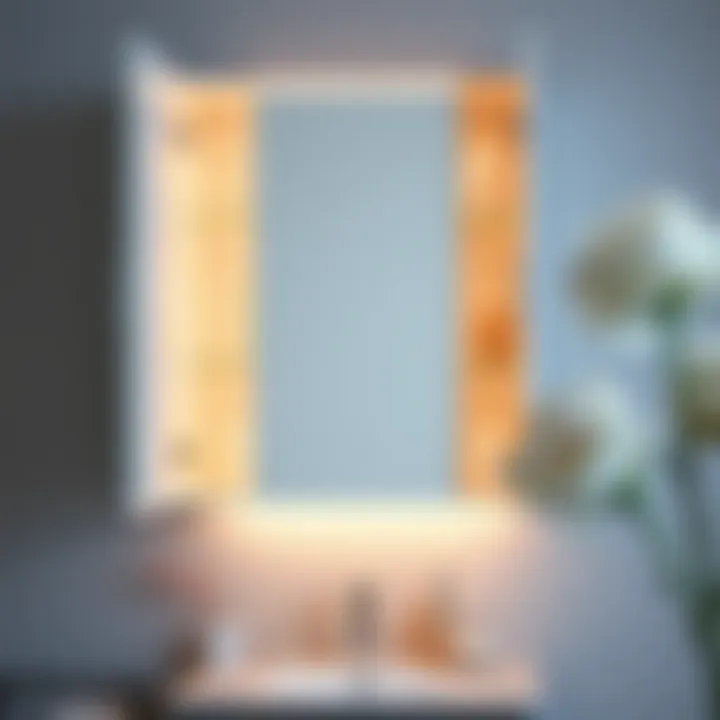
When tackling the installation, it helps to have the right tools at your disposal. Here is a list of essential items you will likely need:
- Stud finder: To locate wall studs for secure mounting.
- Level: Ensures the cupboard is hung straight.
- Drill/Screwdriver: For attaching the cupboard and any fixtures securely.
- Measuring tape: To confirm accurate dimensions during installation.
- Pencil: For marking drill points on the wall.
- Wall anchors: Needed especially if you’re mounting on drywall or if the cupboard is heavy.
- Safety goggles: Protects your eyes from debris.
- Ladder: Essential for reaching high placements.
Having these tools ready can make your installation process smoother and more efficient. Similarly, having your mirror cupboard and any additional components on hand simplifies the task.
Step-by-Step Installation Process
Installing a mirror cupboard may seem daunting at first, but breaking it down into clear steps can help demystify the process. Here’s a straightforward approach:
- Mark the Height: Determine the appropriate height for your mirror cupboard. A standard recommendation is eye-level, approximately 54 to 60 inches from the floor.
- Find the Studs: Use a stud finder to locate the wall studs and mark these spots. If your cupboard doesn’t align with studs, use wall anchors for secure mounting.
- Level the Cabinet: Using the level, draw a light pencil line where the top of the cupboard will be positioned. This serves as your reference guide.
- Pre-drill Holes: Based on your marks, drill holes in the wall for screws or anchors. Make sure these are aligned with the cupboard’s mounting hardware.
- Attach the Cupboard: Position the cupboard against the wall, aligning it with the drilled holes.
- Secure It: Using screws or bolts, firmly attach the cupboard to the wall. Ensure it is snug and does not wobble.
- Final Checks: Once installed, step back and double-check that it’s level and to your satisfaction.
- Optional Lighting Installation: If your design includes lighting, follow the manufacturer’s instructions to wire and install these fixtures once the cupboard is in place.
By following these steps with careful precision, you will set the stage for years of enjoyment and functionality from your mirror cupboard.
"Proper installation of a mirror cupboard not only enhances its lifespan but also elevates the overall aesthetic of your bathroom."
This methodical approach ensures you achieve a mirror cupboard that is both secure and stylish, aligning with your vision for the space. Over time, as trends shift and styles evolve, having a sturdy installation will also make it easier to update or adapt your design as needed.
Lighting Considerations
Lighting plays a crucial role in the functionality and aesthetics of mirror cupboards within the bathroom. Proper illumination not only enhances the usability of the mirror but also adds a significant element to the overall design. The right lighting can make a small space feel larger while creating a welcoming atmosphere. Additionally, it supports tasks such as grooming, applying makeup, and skincare routines, stressing the importance of thoughtful lighting design in every bathroom.
Types of Lighting for Mirror Cupboards
When considering types of lighting for mirror cupboards, various options come to mind:
- Task Lighting: This type provides focused illumination specifically where needed, often using LED strips or sconces.
- Ambient Lighting: This creates a soft glow that fills the space, illuminating the area without harsh shadows.
- Accent Lighting: Here, the light is used to highlight decorative elements or features of the cupboard, enhancing visual interest.
A balanced combination of these lighting types is often best. For instance, task lighting can be installed around the edges of the mirror or directly above to reduce shadows while applying makeup.
Positioning Fixtures Effectively
Positioning of lighting fixtures is key to maximizing their effectiveness. Here are some considerations:
- Height Matters: Ensure fixtures are at eye level or slightly above to minimize shadows on the face. Typically, about 60 inches from the floor works well.
- Distance from the Mirror: Fixtures placed too close can cause glare, while those too far might fail to provide adequate light.
- Symmetry: Arranging fixtures symmetrically on either side of the mirror creates a well-balanced lighting effect and enhances style.
It's important to consider the layout of the bathroom when choosing fixture placement. In some cases, wall-mounted lights on either side of a mirror may offer the best results.
Creating Atmosphere with Lighting
Lighting is a powerful tool in shaping the atmosphere of a bathroom. To foster a relaxing environment:
- Warm Tones: Choose bulbs that offer warmer tones to create a cozy feel. This makes the space more inviting.
- Dimming Options: Installing dimmers allows for adjusting the brightness according to the occasion—bright for tasks, softer for relaxation.
- Layering Lighting: Using multiple lighting sources at different levels can create interesting shadows and depth. Think about ceiling lights combined with mirror lighting for a well-rounded approach.
In summary, attention to lighting considerations significantly enhances the appeal and functionality of mirror cupboards in bathrooms. Thoughtful placement, selection, and design of lighting truly make a lasting impact. Make sure you keep these factors in the forefront of your planning for a visually striking and effective bathroom space.
Maintenance and Care
Maintaining mirror cupboards is crucial to ensuring their longevity and aesthetic appeal. Though commonly overlooked, a little regular care goes a long way in preserving their beauty and functionality. With mirror cupboards often serving as focal points in bathrooms, their upkeep is not merely about aesthetics; it's an investment in the overall environment of your home.
Cleaning Techniques for Longevity
To keep your mirror cupboards sparkling, understanding the right cleaning techniques is fundamental. One popular method is the vinegar solution, a natural cleaner that cuts through streaks without the need for harsh chemicals. Simply mix equal parts of water and vinegar in a spray bottle, apply it to the mirror surface, and wipe it down with a soft microfiber cloth.
- Avoid using abrasive scrubbers or sponges, which can scratch the mirror surface.
- For wood or metal frames, a gentle furniture polish can be applied, ensuring it doesn't seep onto the mirror itself.
- Regular dusting with a microfiber cloth helps minimize grime buildup, which in effect prevents deeper cleaning issues later.
Taking the time to routinely clean your mirror cupboard not only keeps it looking pristine, but can also extend its lifespan significantly.
Preventing Damage
Mirror cupboards are somewhat delicate and can easily be subjected to damage if not treated with care. Preventing such damage involves a few simple yet effective strategies. One critical factor is the installation of your mirror cupboard in a humidity-controlled environment. Bathrooms, being prone to moisture, can cause corrosion over time, particularly with metal fixtures.
- Proper sealants when installing your cupboard can keep moisture at bay and protect wooden parts.
- Avoid direct contact with strong chemicals which can harm the mirror’s reflective backing or the frame material.
- Consider arranging bathroom accessories thoughtfully to minimize the risk of accidental knocks or bumps against the cupboard.
By being proactive in your maintenance routine and taking preventive steps, the mirror cupboard can remain a stylish and functional staple in your bathroom for years to come.
In sum, applying these straightforward cleaning and preventive methods ensures that mirror cupboards not only serve their intended purpose but also enhance your bathroom's aesthetic appeal for the long haul.
The Impact of Technology
The discussion surrounding mirror cupboards in modern bathrooms cannot overlook the transformative impact of technology. As the leaps in innovation continue to reshape how we interact with our living spaces, mirror cupboards have evolved from simple functional items into sophisticated pieces of high-tech functionality and luxurious appeal. Having a grasp on the technological advancements in design can hugely inform the decisions of architects, interior designers, and homeowners alike.
Smart Features in Modern Designs
Smart features have become an integral part of mirror cupboards that go beyond mere reflection. These advanced functionalities provide an enhanced user experience suitable for contemporary lifestyles. Here are some of the remarkable elements incorporated into modern designs:
- LED Lighting: Many mirror cupboards now come equipped with adjustable LED lighting, which can be customized for different tasks—be it skincare rituals, makeup application, or simply illuminating the bathroom during the wee hours.
- Heated Mirrors: Nobody enjoys foggy mirrors after a hot shower. Heated mirrors make this a non-issue by maintaining a crystal-clear reflection, transforming your daily routine.
- Bluetooth Connectivity: Syncing your device with the cupboard's built-in speaker allows for an audio experience that can accompany your skincare routine or morning preparations.
- Touchless Sensors: For those looking to minimize contact, touchless technology allows users to turn on lights or adjust settings with simple hand gestures, adding convenience and hygiene.
These smart features not only bridge convenience with modern aesthetics but also elevate the overall experience, making it more seamless and enjoyable.
Integration with Home Automation
As homes become increasingly smart, the integration of mirror cupboards into home automation systems is no mere luxury—it’s a lifestyle shift. Here’s how these integrations enhance functionality:
- Centralized Control: When syncing with various smart home platforms, homeowners can manage their mirror cupboard settings from a single interface. For instance, adjusting morning lighting from a smartphone app or a smart assistant takes only a whisper.
- Scheduling Functions: Imagine having a mirror that turns on its lights according to your morning routine. This subtle integration can promote good habits and create a compelling start to the day.
- Security Features: Some advanced designs feature built-in cameras, transforming the mirror cupboard into a surveillance system. While this may not apply to every setting, the potential for smart security in bathrooms cannot be dismissed.
- Energy Efficiency: By integrating with smart home systems, mirror cupboards can optimize energy consumption. For example, the lighting can automatically adjust based on the time of day or if the mirror is in use.
Trends in Bathroom Design
As the space where daily rituals take place, bathrooms are increasingly becoming reflections of individual taste and functionality. Modern trends have shifted the way we perceive these intimate spaces, pushing the boundaries of design to create not just functional areas, but sanctuaries.
The importance of trends in bathroom design cannot be overstated. With the rise of small space living, there’s a growing demand for smart design solutions that blend aesthetics with practicality. Mirror cupboards, in particular, embody this duality, serving as both a stunning visual element and a practical storage solution. Today’s designs are influenced by various elements, from material choices to layout, aimed at maximizing utility without skimping on style.
Key Elements to Consider:
- Versatility of Space: Bathroom layouts are adapting to open concepts which require furniture that serves multiple purposes.
- Sustainable Choices: With environmental concerns on everyone’s mind, designers are keen on using eco-friendly materials, making sustainability a fundamental part of bathroom design.
- Technological Integration: Smart home features are also influencing design trends, accommodating gadgets that enhance convenience.
Sustainable Materials and Eco-Friendly Approaches
Sustainability is more than a buzzword; it’s becoming a standard expectation in design. Using sustainable materials not only uplifts the ethical footprint of a project but also introduces a natural beauty that can elevate a bathroom’s ambiance.
Popular materials include bamboo, reclaimed wood, and recycled glass. These options not only reduce environmental impact but also add a unique character and charm to the space.
- Bamboo offers durability and resistance to moisture, making it a great choice for cabinetry.
- Reclaimed wood tells a story of its own, introducing warmth and age that modern finishes often lack.
- Recycled glass tiles can turn any ordinary wall into a piece of art while being kind to the planet.
Design choices that embrace sustainability tend to resonate with eco-conscious buyers, evolving the bathroom into a space where one can feel good about their environmental footprint.
Open Concept Design Trends
The shift towards open concept design has seeped into bathrooms, breaking down traditional barriers and merging adjacent spaces. This design philosophy aligns itself perfectly with modern lifestyles that favor fluidity and connection in living areas.
In practical terms, mirror cupboards play a significant role here. They function as design anchors, providing a focal point that visually separates areas without the heaviness of walls. Here are some considerations when opting for an open concept:
- Flow of Light: Larger mirrors create the illusion of space and allow more natural light to filter through the room, enhancing the overall atmosphere.
- Visual Cohesion: Using similar colors or materials in mirror cupboards creates unity across spaces, pulling the aesthetic together seamlessly.
- Efficient Use of Space: In an open layout, every inch matters. Mirror cupboards can be designed with ample storage, fusing style with function effectively.
"An open concept bathroom design invites interaction and comfort, making everyday routines feel less isolated."
The evolution of bathroom design trends reflects a pronounced shift in societal values, emphasizing functionality, sustainability, and aesthetics. Understanding and harnessing these trends can lead to a more harmonious blend of style and practicality, making mirror cupboards essential elements in modern bathroom decor.
Case Studies: Successful Integrations
The significance of examining real-world applications of mirror cupboards can’t be underestimated. Case studies provide tangible evidence of how design concepts translate into practical use within both residential and commercial settings. These cases highlight not just aesthetic appeal, but also functionality, efficiency, and how these elements can radically improve the user experience in everyday life. The integration of mirror cupboards serves to exemplify innovative space utilization, reflecting modern design trends and addressing common problems many homeowners and businesses encounter.
When analyzing successful integrations of mirror cupboards, key elements emerge:
- Maximized Space Utilization: The most striking feature of effective mirror cupboard integration is the ability to optimize available space, especially in bathrooms that often face limitations.
- Enhanced User Experience: A good case often leads to increased convenience in daily routines, from storing toiletries to facilitating tasks like grooming.
- Aesthetic Appeal: Case studies often reveal how mirror cupboards can significantly elevate the design of a bathroom or commercial space, merging practicality with style.
- Impact of Design Trends: Observing various applications shows how contemporary styles influence choices, reflecting broader interior design movements.
Overall, these case studies illustrate not just the utility of mirror cupboards, but also how they fit into a larger narrative about modern interior design and functionality.
Residential Applications
In residential settings, mirror cupboards are more than just a functional feature; they represent a smart design choice that elevates everyday living. For instance, in a small apartment, a couple found the traditional bathroom lacking space. By incorporating a mirror cupboard above the sink, they created a dual-purpose fixture that saves precious square footage. The reflective surface not only gives the appearance of a larger room but also effectively stores their skincare products and grooming essentials without cluttering the countertop.
Moreover, homeowners can match the mirror cupboard styles to their overall home decor. A contemporary design might feature sleek lines and minimal hardware, while a vintage-inspired piece may boast ornate handles or carved wooden frames. This versatility allows for integration into diverse interior environments.
"A mirror cupboard can transform a cramped bathroom into a stylish haven, turning simply getting ready into a pleasing experience."
Commercial Settings
In commercial environments, the function of mirror cupboards extends beyond storing personal items; they play a role in branding and customer experience. For example, a high-end salon invested in bespoke mirror cupboards for their styling stations. Each unit encapsulates their brand identity while providing stylists with easy access to tools and products without compromising the aesthetic.
Further, in restaurants or upscale hotels, integrating mirror cupboards into restrooms can enhance the overall guest experience. Designers often focus on making these spaces not just functional but inviting. Utilizing unique materials or innovative designs can convey luxury and attention to detail that guests appreciate.
Commercial settings also require careful consideration of durability and cleaning. Mirror cupboards made from high-quality, moisture-resistant materials ensure longevity while maintaining their sleek appearance amid the hustle and bustle of public use.
Culmination and Future Insights
The examination of mirror cupboards in bathrooms transcends mere functionality and aesthetics; it opens a door to profound considerations regarding space utilization, design evolution, and future trends. Mirror cupboards embody the intersection of practicality and elegance, often serving as dual-purpose furniture that caters to both storage needs and visual enhancement. As the bathroom landscape continues to evolve, understanding the significance of these fixtures becomes essential for anyone involved in designing or purchasing for this space.
When considering the role of mirror cupboards, we observe their potential to revolutionize even the smallest of bathrooms. By cleverly integrating mirrors with storage, individuals can uplift the ambiance while simultaneously gaining more room for toiletries and essentials. This marriage of form and function is particularly advantageous in urban settings, where every square inch counts.
Key elements that underscore the importance of this topic include:
- Enhanced Utility: Mirror cupboards not only reflect light, making a space feel larger but also provide a practical solution for organizing bathroom items.
- Aesthetic Versatility: Available in various styles and materials, they can complement any décor theme, from minimalist to ornate.
- Sustainability Trends: As awareness of eco-friendly practices rises, more consumers look for sustainable materials, aligning with the trends toward green living.
- Technological Integration: Future designs are likely to include smart technologies, making these cupboards even more multifunctional.
Summary of Key Points
Throughout this discussion, we have identified several core aspects that highlight the significance of mirror cupboards:
- Definition and Purpose: Mirror cupboards merge functionality with aesthetic appeal, creating a more organized and visually pleasing environment.
- Design Styles: Various styles cater to diverse tastes, ensuring there is something for everyone, whether they favor contemporary lines or classic touches.
- Material Choices: The selection of materials—glass, wood, metal—affects durability and style, influencing the overall look and feel.
- Functionality: These cupboards optimize space, provide storage solutions, and enhance light reflection, addressing both practical and aesthetic needs.
- Installation and Maintenance: Proper installation and ongoing care are crucial to ensuring longevity and continued enjoyment of the piece.
Looking Ahead: The Evolving Bathroom Space
The future of bathroom design, specifically concerning mirror cupboards, looks promising and dynamic. As lifestyles evolve, so too does the need for adaptable designs that prioritize both form and function. Several trends are emerging or are expected to flourish:
- Smart Technology Integration: Expect mirror cupboards to incorporate smart features such as touchless lighting, built-in Bluetooth speakers, and mirror screens that connect to your smart devices. This shift towards technology will redefine how we interact with our bathrooms.
- Sustainable Materials: The conscientious consumer is increasingly seeking out products made from recycled or responsibly sourced materials. Future designs will likely focus on eco-friendliness, ensuring the environment remains a priority.
- Space Efficiency: With many living spaces becoming smaller, innovative designs that maximize use without compromising style will greatly influence market offerings.
- Customization Options: As personalization becomes more prominent, manufacturers may offer customizable mirror cupboards that allow consumers to tailor their features, sizes, and styles to fit specific bathroom dimensions and personal tastes.
In short, the evolving bathroom space is a testament to changing lifestyles and preferences, making mirror cupboards an integral aspect of any contemporary design conversation. Users must remain informed about these developments to harness their full potential.